Svenska UD protesterar mot turkisk jakt på oppositionella
I fredags avslöjade SR Ekot att turkiska myndigheter uppmanar personer i Sverige att tipsa dem om påstådda sympatisörer till Gülenrörelsen, som anklagas för att ligga bakom kuppförsöket i Turkiet. Nu rapporterar Ekot att utrikesdepartementet agerat.
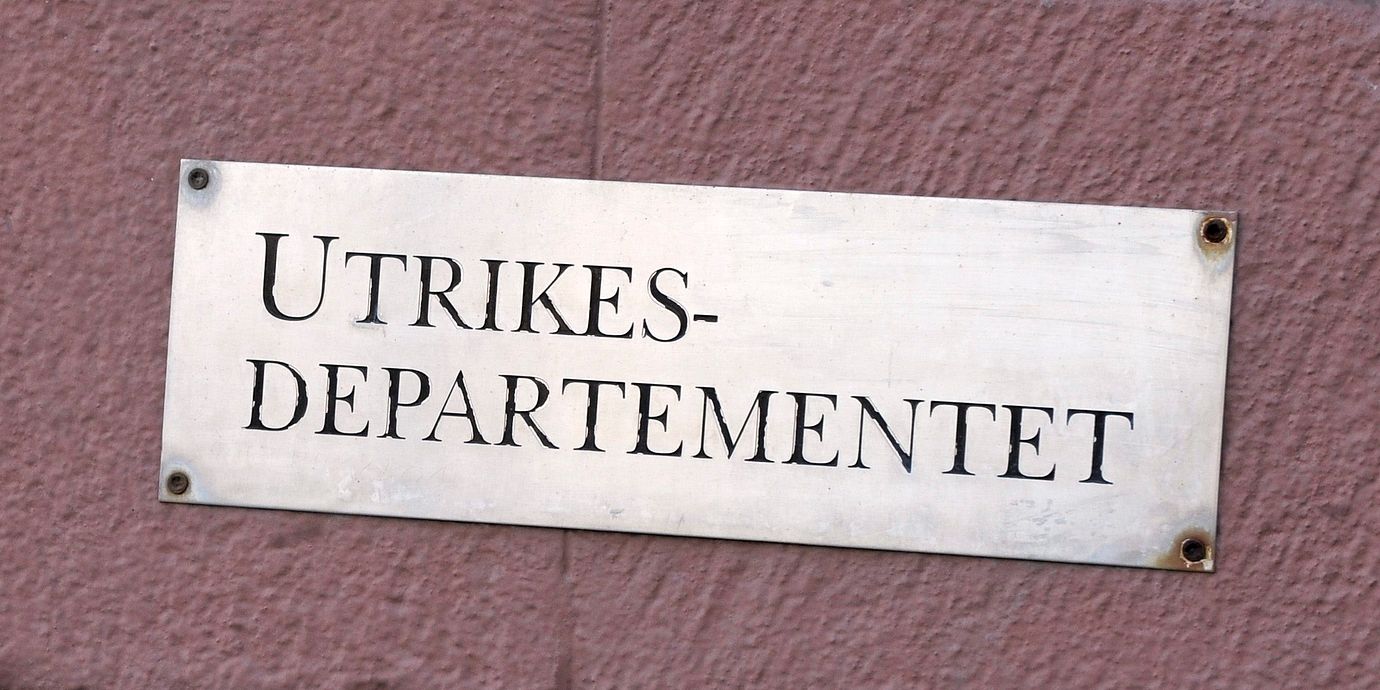
– Uppgifterna om uppmaningar i sociala medier att rapportera Gülenanhängare i Sverige till turkiska myndigheter uppfattar vi som mycket oroväckande, och vi har framfört det till Turkiets ambassadör i Stockholm, säger Katarina Byrenius Roslund vid UD:s presstjänst.
bakgrund
Kuppförsöket i Turkiet
Wikipedia (en)
On 15 July 2016, a coup d'état was attempted in Turkey against the government but ultimately failed. The attempt was performed by a faction within the Turkish Armed Forces that was organized under a council called the Peace at Home Council. The council attempted to seize control of several key places in Ankara, Istanbul, and elsewhere, but failed to do so after forces loyal to President Recep Tayyip Erdoğan and the cabinet of Binali Yıldırım defeated them.
The motives behind the attempt remain unclear. The council cited an erosion of secularism, the elimination of democratic rule, a disregard for human rights, and Turkey's loss of credibility in the international arena as reasons for the coup. The government blamed soldiers linked to the Gülen movement—a group designated as a terrorist organization by the Erdoğan government and led by Fethullah Gülen, an exile — and some members of the Turkish government and pro-government media have accused the U.S. government of secretly backing the plot. Gülen has condemned the coup and denied any involvement. He instead accused the Turkish president of staging the event as a false flag operation in an attempt to legitimise further curbs to civil liberties and purges to the judiciary and military, as well as to increase support for an executive presidency.
The attempt had several consequences domestically. During the coup, over 300 people were killed and more than 2,100 were injured. Many government buildings, including the Turkish Parliament and the Presidential Palace, were damaged. Mass arrests followed, with at least 6,000 detained, including at least 2,839 soldiers and, for reasons that remain unclear, 2,745 judges. Fifteen thousand education staff were also suspended and the licenses of 21,000 teachers working at private institutions were revoked as well after the government alleged they were loyal to Gülen.
Reactions to the event were largely against the coup, both domestically and internationally. The main opposition parties in Turkey condemned the attempt, while several international leaders—such as those from the United States, NATO, and the European Union—called for "respect of the democratic institutions in Turkey and its elected officials." International organizations expressed themselves against the coup as well. The United Nations Security Council, however, did not denounce the coup after Egypt, a non-permanent member of the Council, objected to language used in the proposed draft.
Mer om Ekots granskning
Omni är politiskt obundna och oberoende. Vi strävar efter att ge fler perspektiv på nyheterna. Har du frågor eller synpunkter kring vår rapportering? Kontakta redaktionen