Avokadoodlare dödshotas – tvingas betala för skydd
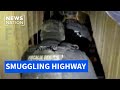
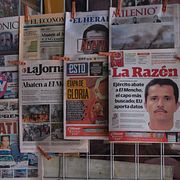
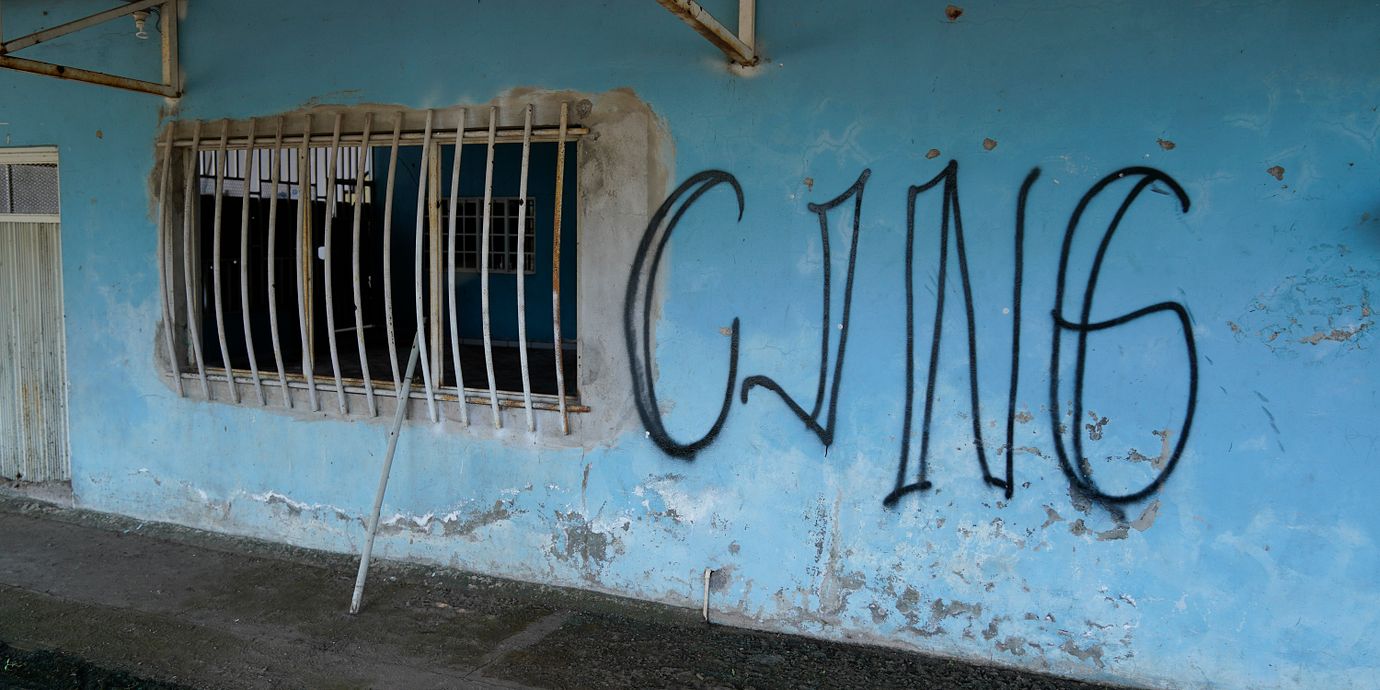
Striden om mexikanska delstatens Michoacáns gröna guld – de stora, lukrativa avokadoodlingarna – står mellan den ökända Jalisco-kartellen och en samling lokala gäng som går under namnet United Cartels. Det skriver AP.
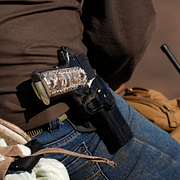
I vissa fall kräver gängen att odlarna ska betala för skydd, i bland tusentals dollar per tunnland. Många jordbrukare vittnar om att nätverken hotat att kidnappa eller döda deras familjemedlemmar om de inte betalar.
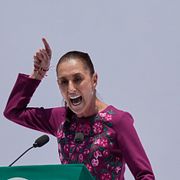
Under söndagen fattade USA beslut att på obestämd framtid stoppa importen av avokado från Michoacán, som är Mexikos största producent av avokado, efter att en amerikansk inspektör hotats. Stoppet är enligt nyhetsbyrån ett i raden i protest mot mexikanska regeringens oförmåga att stoppa gängens inflytande.
bakgrund
Jalisco New Generation Cartel
Wikipedia (en)
The Jalisco New Generation Cartel (Spanish: Cártel de Jalisco Nueva Generación) or CJNG, formerly known as Los Mata Zetas, is a semi-militarized Mexican criminal group based in Jalisco which is headed by Nemesio Oseguera Cervantes ("El Mencho"), one of the world's most-wanted drug lords. The cartel has been characterized by its aggressive use of extreme violence and its public relations campaigns. Although the CJNG is particularly known for diversifying into various types of criminal rackets, drug trafficking (primarily cocaine and methamphetamine) as well as stealing crude oil remain among their most profitable criminal activities. The cartel has also been noted for cannibalizing some of its victims, sometimes during the training of new sicarios or cartel members as well as using drones to attack their enemies. U.S. prosecutors have said operatives of the cartel tried to buy belt-fed M-60 machine guns in the United States, and once brought down a Mexican military helicopter with a rocket-propelled grenade. As of 2020, the CJNG is generally considered by the Mexican government to be the most dangerous criminal organization in Mexico and the second most powerful drug cartel in the country after Cártel de Sinaloa. The CJNG is the most dominant criminal group in the state of Jalisco but the cartel also dominates criminal and drug operations in the states of Nayarit and Colima, with the latter being an important area for shipments of South American cocaine and chemical precursors from Asia. While this cartel is best known for its fights against the Zetas and Templarios, it has also been heavily battling Cárteles Unidos for control of Aguililla, Michoacán and its surrounding territories, including the city of Tepalcatepec. More recently, tensions have also began to raise against the CJNG's arch-rival, the Sinaloa Cartel within the states of Chiapas and Zacatecas.
Jalisco New Generation Cartel started as one of the splits of Milenio Cartel, the other being La Resistencia. La Resistencia accused CJNG of giving up Oscar Valencia (“El Lobo”) to the authorities and called them Los Torcidos (“The Twisted Ones”). The Jalisco Cartel defeated La Resistencia and took control of Millenio Cartel's smuggling networks.
Jalisco New Generation Cartel expanded its operation network from coast to coast in only six months, making it one of the criminal groups with the greatest operating capacity in Mexico as of 2012 and still today. The Sinaloa Cartel, once led by Joaquín Guzmán Loera (a.k.a. El Chapo), has used the Jalisco New Generation Cartel as its armed wing to fight off Los Zetas in Guzmán's turf and to carry out incursions to other territories like Nuevo Laredo and Veracruz in the past. In the period following the emergence of the CJNG cartel, homicides, forced disappearances and the discoveries of mass graves spiked in Jalisco. Currently, along with the armed conflicts, petroleum theft and criminal extortion, the CJNG is also said to have over 100 methamphetamine labs throughout Mexico. Based on the average street value, these volumes could net upwards of $8.1 billion for cocaine and $4.6 billion for crystal meth each year.In 2017, the CJNG reportedly broke its alliance with Ismael "El Mayo" Zambada of the Sinaloa Cartel. By 2018, the CJNG became the second most powerful cartel in Mexico. In 2018, CJNG co-founder Érick Valencia Salazar and former high ranking CJNG leader Carlos Enrique Sánchez also both left the cartel and co-founded a rival cartel called the Nueva Plaza Cartel. The CJNG are currently fighting La Nueva Plaza cartel for control of the city of Guadalajara, Jalisco; La Unión Tepito in Mexico City; Los Viagras and La Familia Michoacana for the states of Michoacán and Guerrero; Los Zetas in the states of Veracruz and Puebla; Cártel del Noreste in Zacatecas; the Cártel de Sinaloa in Baja California, Sonora, Juárez, Zacatecas and Chiapas; as well as the Santa Rosa de Lima Cartel in Guanajuato. They currently have an alliance with the Cártel del Golfo in Zacatecas, La Línea in Juárez and several smaller cartels in Mexico City which help it fight against La Unión Tepito.In March 2019, Texas Republican congressman Chip Roy introduced a bill that would list the Jalisco New Generation Cartel, the Gulf Cartel and the Cártel del Noreste faction of Los Zetas as foreign terrorist organizations. Former United States President Donald Trump had also expressed interest in designating cartels as terrorist organizations. However, he halted plans to do so at the request of Mexican President Andrés Manuel López Obrador. From 2018 to 2020, the CJNG engaged in 298 reported acts of gang related violence; more than any other cartel during the period. By 2020, U.S. counter-drug officials considered CJNG its "biggest criminal drug threat" and Mexico's former security commissioner called the group "the most urgent threat to Mexico's national security".
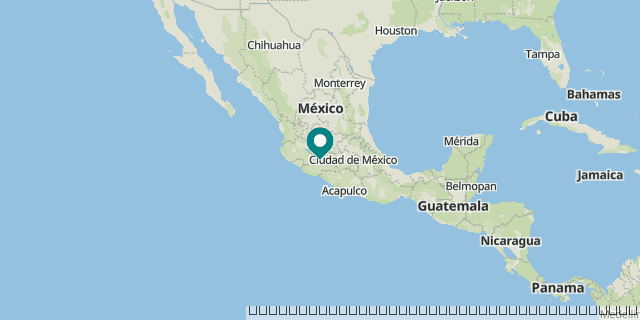
Michoacán, Mexiko
Omni är politiskt obundna och oberoende. Vi strävar efter att ge fler perspektiv på nyheterna. Har du frågor eller synpunkter kring vår rapportering? Kontakta redaktionen