Nasa: Superutsläppare av metan ertappas från rymden
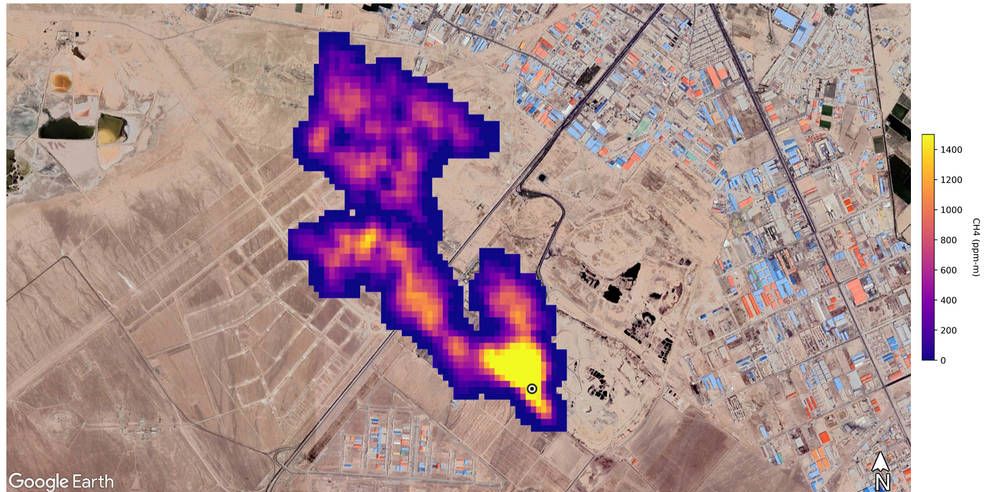
Nasa har sedan i somras upptäckt över 50 hotspots med stora utsläpp av klimatgasen metan världen över, skriver organisationen på sin webbplats. Upptäckten av ”superutsläpparna” i USA, Mellanöstern och Centralasien gjordes med ett instrument på rymdstationen ISS som studerar hur damm påverkar klimatet, rapporterar Al-Jazeera.
Utsläpparna inkluderar bland annat soptippar och olje- och gasfaciliteter. Nasa hoppas att instrumentet ska bli en viktig del i kampen mot metanutsläpp, som fram till nu har orsakat omkring 30 procent av den globala temperaturhöjningen.
bakgrund
Metan
Wikipedia (en)
Methane (US: MEH-thayn, UK: MEE-thayn) is a chemical compound with the chemical formula CH4 (one carbon atom bonded to four hydrogen atoms). It is a group-14 hydride, the simplest alkane, and the main constituent of natural gas. The relative abundance of methane on Earth makes it an economically attractive fuel, although capturing and storing it poses technical challenges due to its gaseous state under normal conditions for temperature and pressure.
Naturally occurring methane is found both below ground and under the seafloor and is formed by both geological and biological processes. The largest reservoir of methane is under the seafloor in the form of methane clathrates. When methane reaches the surface and the atmosphere, it is known as atmospheric methane. The Earth's atmospheric methane concentration has increased by about 150% since 1750, and it accounts for 20% of the total radiative forcing from all of the long-lived and globally mixed greenhouse gases. It has also been detected on other planets, including Mars, which has implications for astrobiology research.
Omni är politiskt obundna och oberoende. Vi strävar efter att ge fler perspektiv på nyheterna. Har du frågor eller synpunkter kring vår rapportering? Kontakta redaktionen