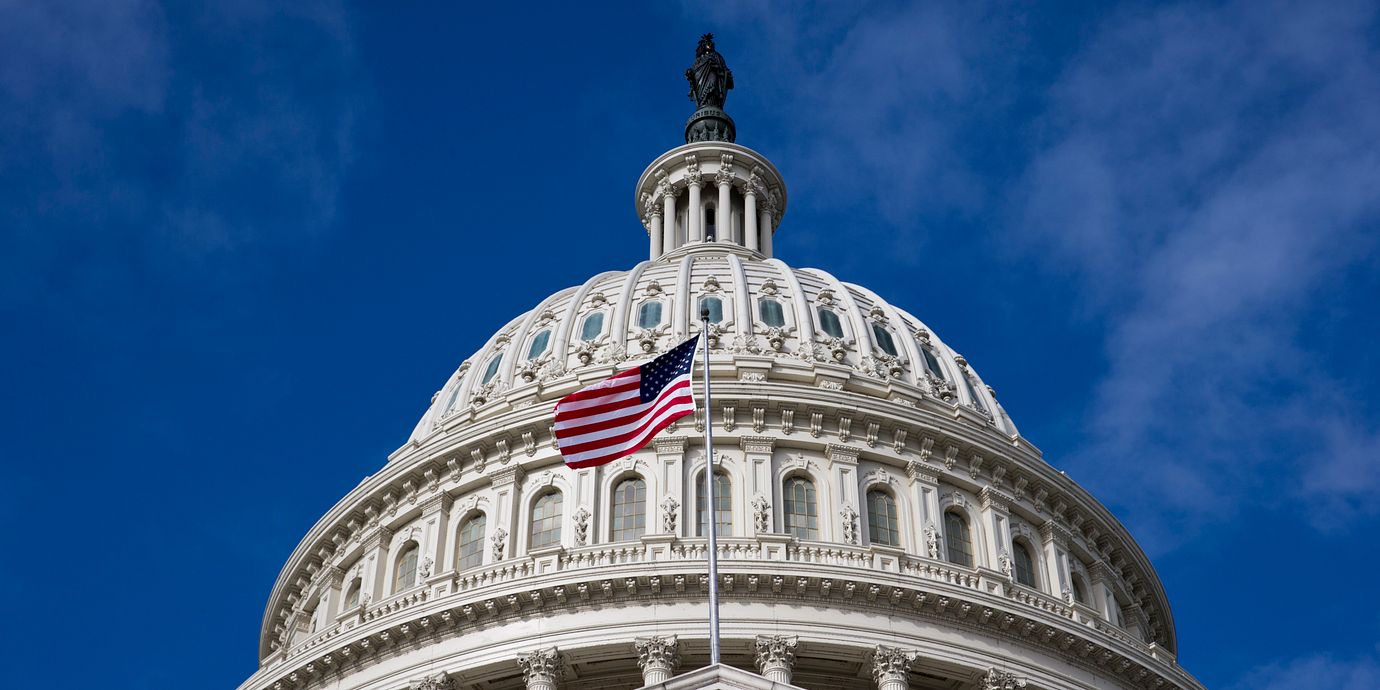
Arkiv. (J. Scott Applewhite / AP)

Krugman: Stor risk att USA slår i skuldtaket i oktober

Hotet att USA slår i skuldtaket någon gång i oktober och därmed tvingas ställa in vissa betalningar är verkligt, skriver juridikprofessorn Edward D. Kleinbard i en gästkrönika på New York Times ledarsida. Utsikterna för att man politiskt ska kunna komma överens om att höja taket och undvika en smärre ekonomisk katastrof är heller inte stora, resonerar han.

Tidningens Paul Krugman skriver emellertid i en analys att det finns en teoretisk möjlighet att investerare går in och tar över statens skulder tillfälligt, under förutsättning att man betraktar krisen som temporär. Värre blir det om investerarna ser krisen som bestående och kopplad till den politiska makten.

”I sådana fall skulle de nödvändigtvis inte gå in och köpa våra skulder, och förtroendet för hela det samhällsekonomiska bygget skulle få en allvarlig knäck”, skriver Krugman.

Dessutom skulle en skuldkris orsaka kostnader för den amerikanska staten på tiotals miljarder dollar varje år i högre räntor och avgifter, konstaterar Kleinbard.
bakgrund
 
USA:s skuldtak
Wikipedia (en)
The United States debt ceiling or debt limit is a legislative limit on the amount of national debt that can be issued by the US Treasury, thus limiting how much money the federal government may borrow. The debt ceiling is an aggregate figure which applies to the gross debt, which includes debt in the hands of the public and in intra-government accounts. (About 0.5% of debt is not covered by the ceiling.) Because expenditures are authorized by separate legislation, the debt ceiling does not directly limit government deficits. In effect, it can only restrain the Treasury from paying for expenditures and other financial obligations after the limit has been reached, but which have already been approved (in the budget) and appropriated. When the debt ceiling is actually reached without an increase in the limit having been enacted, Treasury will need to resort to "extraordinary measures" to temporarily finance government expenditures and obligations until a resolution can be reached. The Treasury has never reached the point of exhausting extraordinary measures, resulting in default, although on some occasions, Congress appeared like it would allow a default to take place. If this situation were to occur, it is unclear whether Treasury would be able to prioritize payments on debt to avoid a default on its bond obligations, but it would at least have to default on some of its non-bond payment obligations. A protracted default could trigger a variety of economic problems including a financial crisis, and a decline in output that would put the country into an economic recession. Management of the United States public debt is an important part of the macroeconomics of the United States economy and finance system, and the debt ceiling is a constraint on the executive's ability to manage the U.S. economy. There is debate, however, on how the U.S. economy should be managed, and whether a debt ceiling is an appropriate mechanism for restraining government spending.
bakgrund
 
Debatten om USA:s skuldkris 2011
Wikipedia (sv)
Debatten om USA:s skuldtak (engelska: United States debt ceiling crisis) är en debatt i USA, särskilt i Kongressen, om förslaget att höja gränsen för landets högsta tillåtna statsskuld, för att undvika en situation med betalningsinställelser av räntor, pensioner med mera. Debatt om landets skuldtak har förekommit många gånger i landet historia, men denna artikel behandlar debatten inför höjningen som president Barack Obama, i sista stund, skrev under den 2 augusti 2011.
Omni är politiskt obundna och oberoende. Vi strävar efter att ge fler perspektiv på nyheterna. Har du frågor eller synpunkter kring vår rapportering? Kontakta redaktionen