Ärkebiskopen: Hon hjälpte oss att förstå vilka vi var
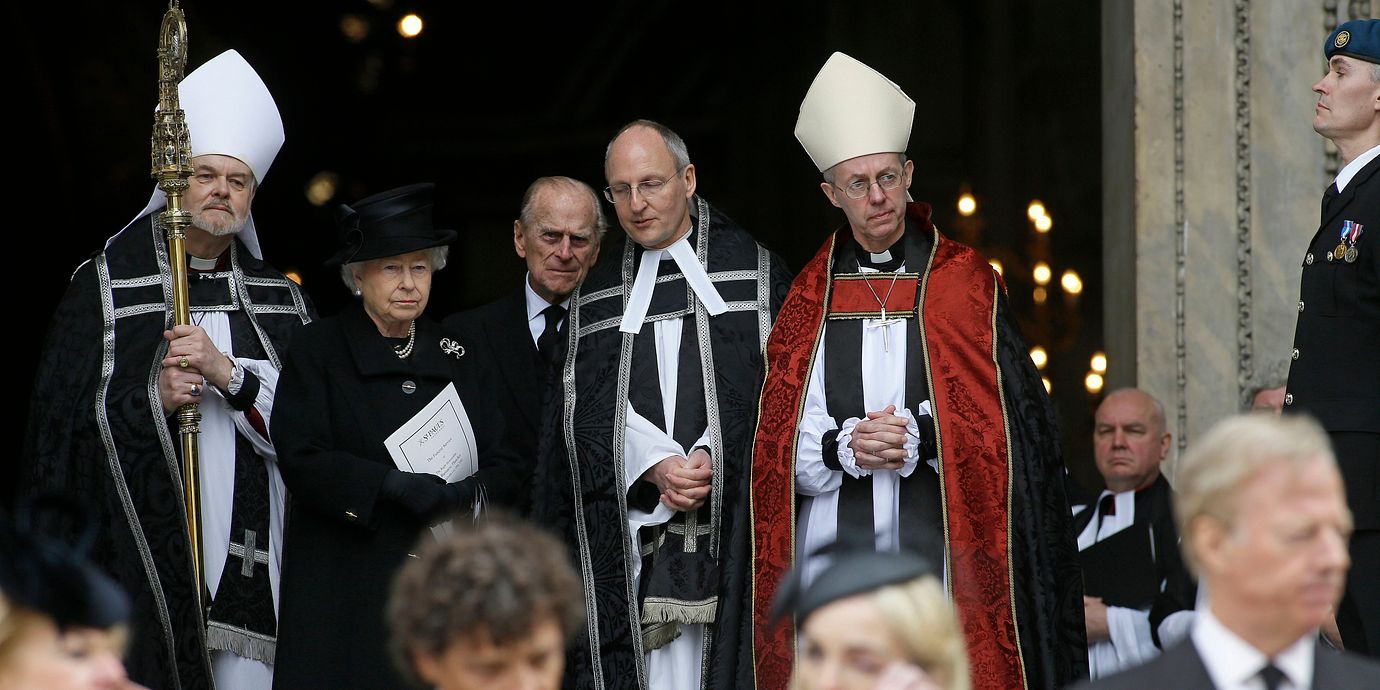
Ärkebiskopen av Canterbury, Justin Welby, som leder den engelska kyrkan, kommenterar beskedet om drottning Elizabeths död.
Han skriver att hon ”hjälpte oss att förstå vilka vi var genom årtionden av extraordinär förändring i vår värld, vårt land och samhälle”.
Drottningen var engelska kyrkans överhuvud, vilket nu kung Charles III blir.
Ephraim Mirvin, samväldets överrabbi, har skapat en särskild bön i drottningens ära.

Watch Sky News live
Engelska kyrkans överhuvud
Wikipedia (en)
The Supreme Governor of the Church of England is the titular head of the Church of England, a position which is vested in the British monarch. Although the monarch's authority over the Church of England is largely ceremonial and is mostly observed in a symbolic capacity, the position is still very relevant to the church. As the supreme governor, the monarch formally appoints high-ranking members of the church on the advice of the prime minister of the United Kingdom, who is in turn advised by church leaders, such as the Lords Spiritual.
Direktrapporter
bakgrund
Drottning Elizabeth av Storbritannien
Wikipedia (en)
Elizabeth II (Elizabeth Alexandra Mary; born 21 April 1926) is Queen of the United Kingdom and 14 other Commonwealth realms.Elizabeth was born in Mayfair, London, as the first child of the Duke and Duchess of York (later King George VI and Queen Elizabeth). Her father acceded to the throne in 1936 upon the abdication of his brother, King Edward VIII, making Elizabeth the heir presumptive. She was educated privately at home and began to undertake public duties during the Second World War, serving in the Auxiliary Territorial Service. In November 1947, she married Philip Mountbatten, a former prince of Greece and Denmark, and their marriage lasted 73 years until his death in April 2021. They had four children together: Charles, Prince of Wales; Anne, Princess Royal; Prince Andrew, Duke of York; and Prince Edward, Earl of Wessex.
When her father died in February 1952, Elizabeth—then 25 years old—became queen regnant of seven independent Commonwealth countries: the United Kingdom, Canada, Australia, New Zealand, South Africa, Pakistan, and Ceylon (known today as Sri Lanka), as well as Head of the Commonwealth. Elizabeth has reigned as a constitutional monarch through major political changes such as the Troubles in Northern Ireland, devolution in the United Kingdom, the decolonisation of Africa, and the United Kingdom's accession to the European Communities and withdrawal from the European Union. The number of her realms has varied over time as territories have gained independence and some realms have become republics. Her many historic visits and meetings include state visits to China in 1986, Russia in 1994, the Republic of Ireland in 2011, and visits to or from five popes.
Significant events include Elizabeth's coronation in 1953 and the celebrations of her Silver, Golden, Diamond, and Platinum jubilees in 1977, 2002, 2012, and 2022, respectively. Elizabeth is the longest-lived and longest-reigning British monarch, the oldest and longest-serving incumbent head of state, and is considered the second-longest reigning sovereign monarch in world history. She has faced occasional republican sentiment and media criticism of her family, particularly after the breakdowns of her children's marriages, her annus horribilis in 1992, and the death of her former daughter-in-law Diana, Princess of Wales, in 1997. However, support for the monarchy in the United Kingdom remains consistently high, as does her personal popularity.
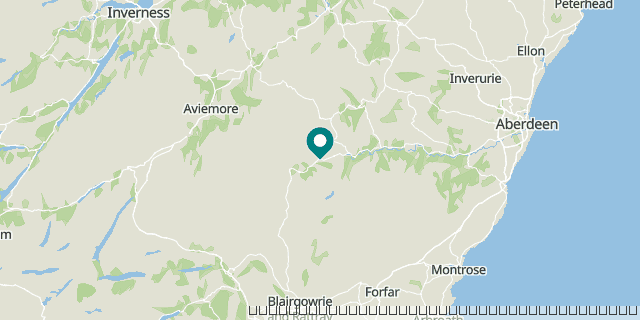
Balmoral
Omni är politiskt obundna och oberoende. Vi strävar efter att ge fler perspektiv på nyheterna. Har du frågor eller synpunkter kring vår rapportering? Kontakta redaktionen