Peking slopar uråldrigt saltmonopol
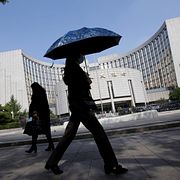
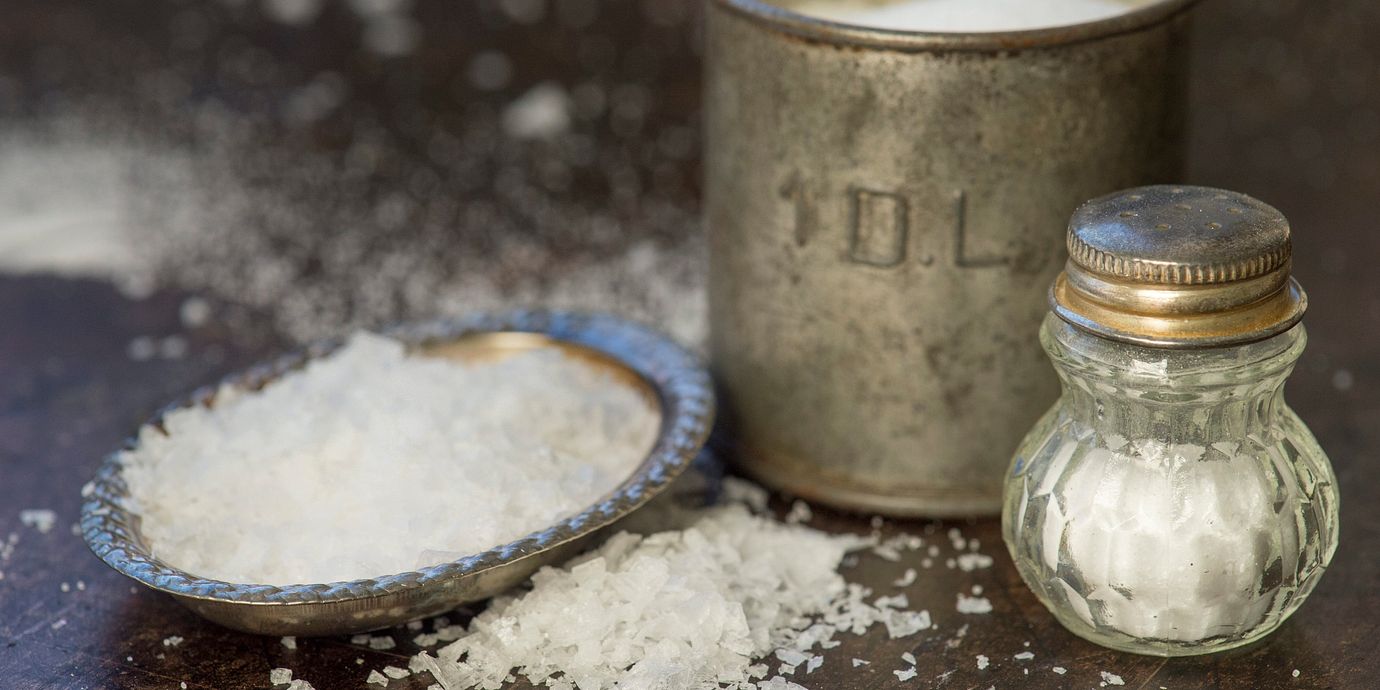
Från och med årsskiftet kan ett 80-tal producenter och handlare från övriga landet börja sälja sitt salt i Kinas huvudstad Peking. Då slopas det saltmonopol som har gällt i flera hundra år, skriver Reuters.
Peking är en av 13 städer och provinser från Tianjin till Inre Mongoliet som har fått centralregeringens tillstånd att öppna upp saltmarknaderna för producenter och grossister som tidigare stängts ute. Ytterligare ett antal regioner väntar på grönt ljus för att få göra samma sak.
bakgrund
Saltets roll i den kinesiska historien
Wikipedia (en)
Salt, salt production, and salt taxes played key roles in Chinese history, economic development, and relations between state and society. The lure of salt profits led to technological innovation and new ways to organize capital. Debate over government salt policies brought forth conflicting attitudes toward the nature of government, private wealth, the relation between the rich and the poor, while the administration of these salt policies was a practical test of a government's competence.
Because salt is a necessity of life, the tax on it (often called the salt gabelle) had a broad base and could be set at a low rate and still be one of the most important sources of government revenue. In early times, governments gathered salt revenues by managing production and sales directly. After innovations in the mid-8th century, imperial bureaucracies reaped these revenues safely and indirectly by selling salt rights to merchants who then sold the salt in retail markets. Private salt trafficking persisted because monopoly salt was more expensive and of lower quality, while local bandits and rebel leaders thrived on salt smuggling. Over time, however, this basic system of bureaucratic oversight and private management yielded revenue second only to the land tax, and, with considerable regional variation and periodic reworking, remained in place until the mid-20th century.
Salt also played a role in Chinese society and culture. Salt is one of the "seven necessities of life" mentioned in proverbs and "salty" is one of the "five flavors" which form the cosmological basis of Chinese cuisine. Song Yingxing, author of the 17th century treatise, The Exploitation of the Works of Nature explained the essential role of salt:
as there are five phenomena in weather, so are there in the world five tastes… A man would not be unwell if he abstained for an entire year from either the sweet or sour or bitter or hot; but deprive him of salt for a fortnight, and he will be too weak to tie up a chicken…
^ Yingxing Song, translated and introduced by E. Tu Zen Sun and Shiou-Chuan Sun. T'ien-Kung K'ai-Wu; Chinese Technology in the Seventeenth Century. (University Park: Pennsylvania State University, 1966). Reprinted: New York: Dover, 1997. ISBN 978-0486295930 Ch Five, "Salt," pp. 109-113
Omni är politiskt obundna och oberoende. Vi strävar efter att ge fler perspektiv på nyheterna. Har du frågor eller synpunkter kring vår rapportering? Kontakta redaktionen