Oppositionsledare gripen inför val i Kirgizistan
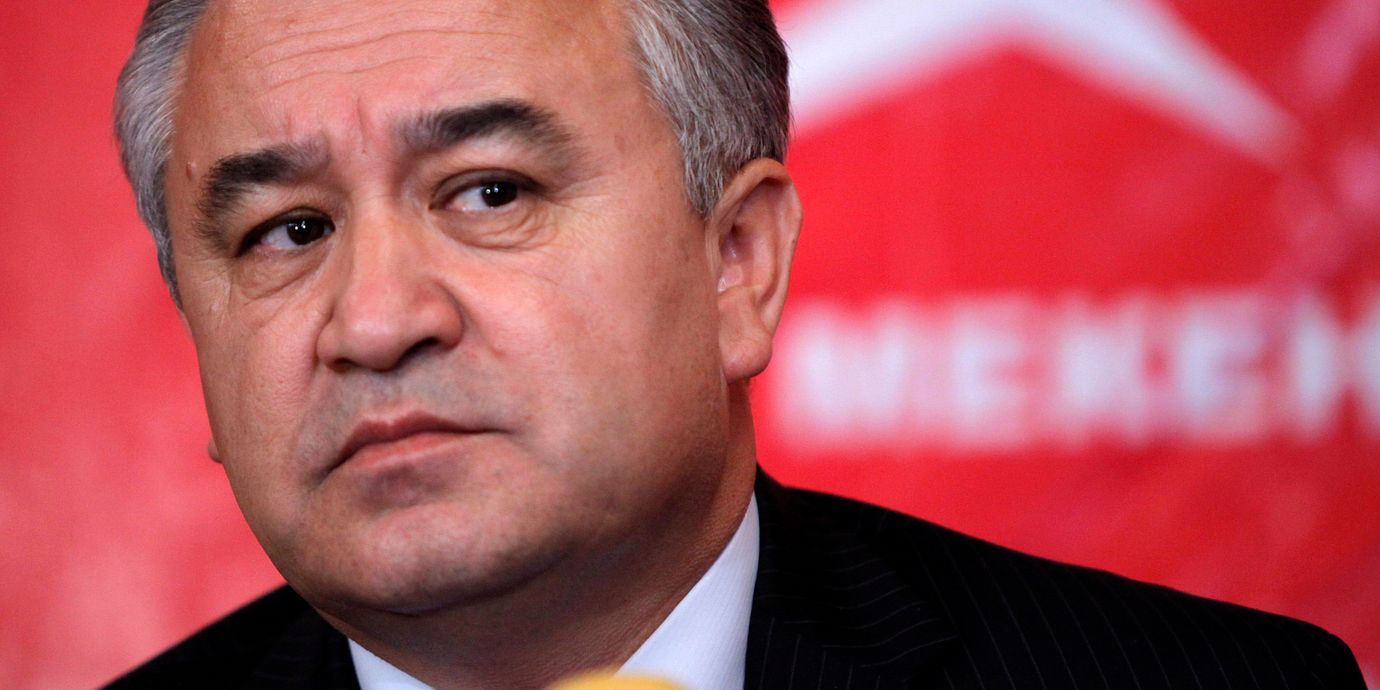
Oppositionsledaren Omurbek Tekebajev i Kirgizistan har gripits för anklagelser om korruption och bedrägeri. Det rapporterar flera internationella medier med hänvisning till landets säkerhetstjänst.
Riksåklagaren säger i ett uttalande att Omurbek Tekebajev misstänks för att ha tagit emot en miljon dollar i muta från en rysk affärsman under 2010 när Tekebajev ingick i en provinsregering.
Omurbek Tekebajev nekar till misstankarna genom en partikamrat, och ser det i stället som politisk förföljelse.
bakgrund
Kirgizistan
Wikipedia (en)
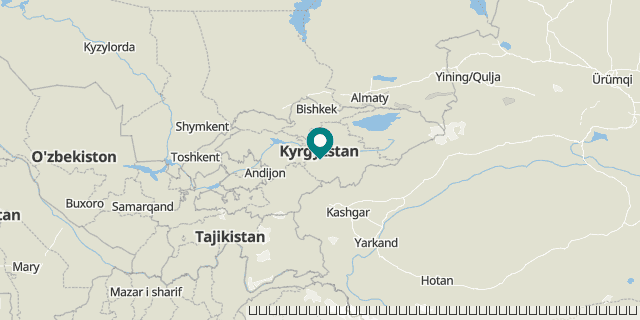
Kyrgyzstan (/kɜːrɡɪˈstɑːn/ kur-gi-STAHN; Kyrgyz: Кыргызстан Kırgızstan (IPA: [qɯrʁɯsˈstɑn]); Russian: Киргизия), officially the Kyrgyz Republic (Kyrgyz: Кыргыз Республикасы Kırgız Respublikası; Russian: Кыргызская Республика Kyrgyzskaya Respublika), formerly known as Kirghizia, is a country in Central Asia. Landlocked and mountainous, Kyrgyzstan is bordered by Kazakhstan to the north, Uzbekistan to the west and southwest, Tajikistan to the southwest and China to the east. Its capital and largest city is Bishkek.
Kyrgyzstan's recorded history spans over 2,000 years, encompassing a variety of cultures and empires. Although geographically isolated by its highly mountainous terrain – which has helped preserve its ancient culture – Kyrgyzstan has historically been at the crossroads of several great civilizations, namely as part of the Silk Road and other commercial and cultural routes. Though long inhabited by a succession of independent tribes and clans, Kyrgyzstan has periodically come under foreign domination and attained sovereignty as a nation-state only after the breakup of the Soviet Union in 1991.
Since independence, Kyrgyzstan has officially been a unitary parliamentary republic, although it continues to endure ethnic conflicts, revolts, economic troubles, transitional governments and political party conflicts. Kyrgyzstan is a member of the Commonwealth of Independent States, the Eurasian Economic Union, the Collective Security Treaty Organization, the Shanghai Cooperation Organisation, the Organisation of Islamic Cooperation, the Turkic Council, the TÜRKSOY community and the United Nations.
Ethnic Kyrgyz make up the majority of the country's 5.7 million people, followed by significant minorities of Uzbeks and Russians. The official language, Kyrgyz, is closely related to the other Turkic languages, although Russian remains widely spoken, a legacy of a century-long policy of multiculturalism. The majority of the population (64 percent) are non-denominational Muslims. In addition to its Turkic origins, Kyrgyz culture bears elements of Persian, Mongolian and Russian influence.
Kirgizistan
Omni är politiskt obundna och oberoende. Vi strävar efter att ge fler perspektiv på nyheterna. Har du frågor eller synpunkter kring vår rapportering? Kontakta redaktionen