Nya riktlinjer för barnfetma i USA: Operera tidigt
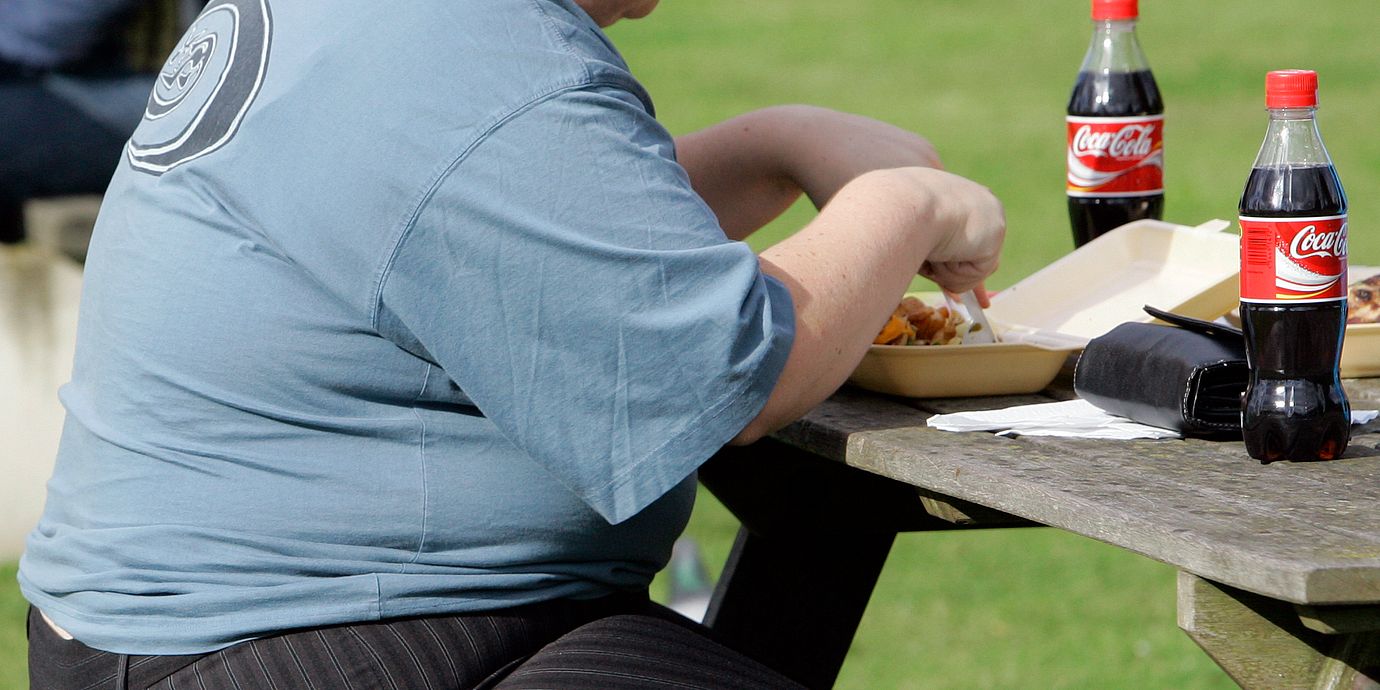
Intensiv terapi för barn så unga som sex år och viktminskningsläkemedel samt operationer för dem i tidiga tonåren, rekommenderar numera den amerikanska barnläkarföreningen AAP enligt BBC.
– Medicinsk behandling och förebyggande insatser måste gå hand i hand, säger barnläkaren Nazrat Mirza som tagit fram de nya riktlinjerna.
Men kritikerna menar att rekommendationerna riskerar att bli på bekostnad av en hälsosam och aktiv livsstil. Dessutom riskerar de att leda till att barn får en utmanande relation till sina kroppar, enligt barnläkaren Katy Miller, som anser att större fokus bör ligga på sociala faktorer.
Vart femte barn i USA lider av fetma.
bakgrund
Fetma
Wikipedia (en)
Obesity is a medical condition, sometimes considered a disease, in which excess body fat has accumulated to such an extent that it may negatively affect health. People are classified as obese when their body mass index (BMI)—a person's weight divided by the square of the person's height—is over 30 kg/m2; the range 25–30 kg/m2 is defined as overweight. Some East Asian countries use lower values to calculate obesity. Obesity is a major cause of disability and is correlated with various diseases and conditions, particularly cardiovascular diseases, type 2 diabetes, obstructive sleep apnea, certain types of cancer, and osteoarthritis.Obesity has individual, socioeconomic, and environmental causes. Some known causes are diet, physical activity, automation, urbanization, genetic susceptibility, medications, mental disorders, economic policies, endocrine disorders, and exposure to endocrine-disrupting chemicals.While a majority of obese individuals at any given time are attempting to lose weight and are often successful, maintaining weight loss long term is rare. There is no effective, well-defined, evidence-based intervention for preventing obesity. Obesity prevention requires a complex approach, including interventions at societal, community, family, and individual levels. Changes to diet and exercising are the main treatments recommended by health professionals. Diet quality can be improved by reducing the consumption of energy-dense foods, such as those high in fat or sugars, and by increasing the intake of dietary fiber, if these dietary choices are available, affordable, and accessible. Medications can be used, along with a suitable diet, to reduce appetite or decrease fat absorption. If diet, exercise, and medication are not effective, a gastric balloon or surgery may be performed to reduce stomach volume or length of the intestines, leading to feeling full earlier, or a reduced ability to absorb nutrients from food.Obesity is a leading preventable cause of death worldwide, with increasing rates in adults and children. In 2015, 600 million adults (12%) and 100 million children were obese in 195 countries. Obesity is more common in women than in men. Today, obesity is stigmatized in most of the world. Conversely, some cultures, past and present, have a favorable view of obesity, seeing it as a symbol of wealth and fertility. Nevertheless, in 2013, several medical societies, including the American Medical Association and the American Heart Association, classified obesity as a disease.
Omni är politiskt obundna och oberoende. Vi strävar efter att ge fler perspektiv på nyheterna. Har du frågor eller synpunkter kring vår rapportering? Kontakta redaktionen