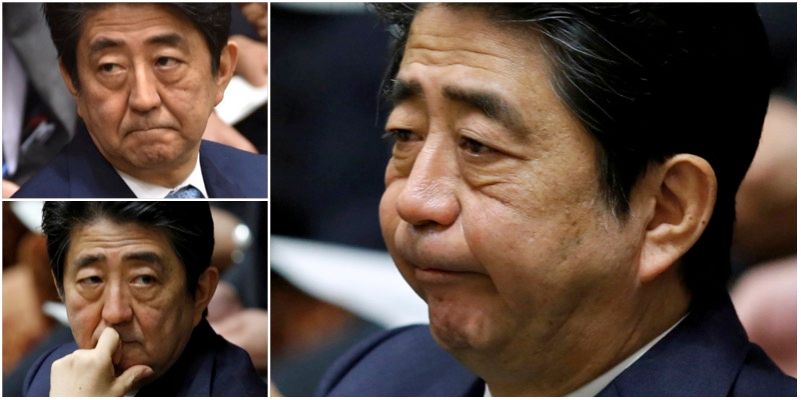
”Abenomics har inte levererat det som utlovats”
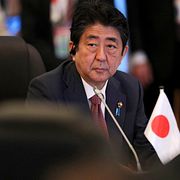
Den japanska premiärministern Shinzo Abes ekonomiska politik, populärt kallad ”Abenomics”, har inte levererat vad som utlovats, skriver Quentin Webb i en analys på Reuters Breakingviews.
Abe har inte misslyckats helt, skriver han. Arbetslösheten är den lägsta sedan 1997 och de tre första åren Abe satt vid makten växte landets ekonomi med fem procent. Men de centrala målen för Abenomics är fortfarande utom räckhåll; I år beräknas tillväxten bara bli 0,5 procent, kärn-KPI haltar fram på 1,1 procent och Bank of Japan har tappat kontrollen över yenen.
”En omgörning av något slag ser ut att finnas på horisonten”, summerar Webb sin analys och nämner radikala alternativ som helikopterpengar och att centralbanken skriver av statsskulder.
bakgrund
Abenomics
Wikipedia (en)
Abenomics (アベノミクス, Abenomikusu) refers to the economic policies advocated by Shinzō Abe since the December 2012 general election, which elected Abe to his second term as Prime Minister of Japan. Abenomics is based upon "three arrows" of fiscal stimulus, monetary easing and structural reforms. The Economist characterized the program as a "mix of reflation, government spending and a growth strategy designed to jolt the economy out of suspended animation that has gripped it for more than two decades."
The term "Abenomics" is a portmanteau of Abe and economics, and follows previous political neologisms for economic policies linked to specific leaders, such as Reaganomics, Clintonomics and Rogernomics.
bakgrund
Shinzo Abe
Wikipedia (en)
Shinzō Abe (安倍 晋三, Abe Shinzō, IPA: [abe ɕiɴzoː]; born 21 September 1954) is the current Prime Minister of Japan, re-elected to the position in December 2012. Abe is also the President of the Liberal Democratic Party (LDP), and Chairman of the Oyagaku Propulsion Parliamentary Group.
Abe served for a year as Prime Minister, from 2006 to 2007. Hailing from a politically prominent family, at age 52, Abe became Japan's youngest post-war prime minister, and the first to be born after World War II, when he was elected by a special session of the National Diet in September 2006. Abe resigned on September 12, 2007, for health reasons. Abe was replaced by Yasuo Fukuda, beginning a string of five Prime Ministers, none of whom retained office for more than sixteen months, before Abe staged a political comeback.
On September 26, 2012, Abe defeated former Minister of Defense Shigeru Ishiba, in a run-off vote, to win the LDP Presidential Election. Following the LDP's landslide victory in the 2012 general election, Abe became the Prime Minister again. Abe is the first former Prime Minister to return to the office since Shigeru Yoshida in 1948. Abe was re-elected at the 2014 general election, retaining his two-thirds majority with coalition partner Komeito.
On the 70th anniversary of Japan's defeat in World War II, Abe's cabinet decided to follow previous governments' position on Japan's wartime past, and included the statements of "apology", "colonization", "aggression", and "remorseful regret" to the sufferings affected during the war.
Omni är politiskt obundna och oberoende. Vi strävar efter att ge fler perspektiv på nyheterna. Har du frågor eller synpunkter kring vår rapportering? Kontakta redaktionen