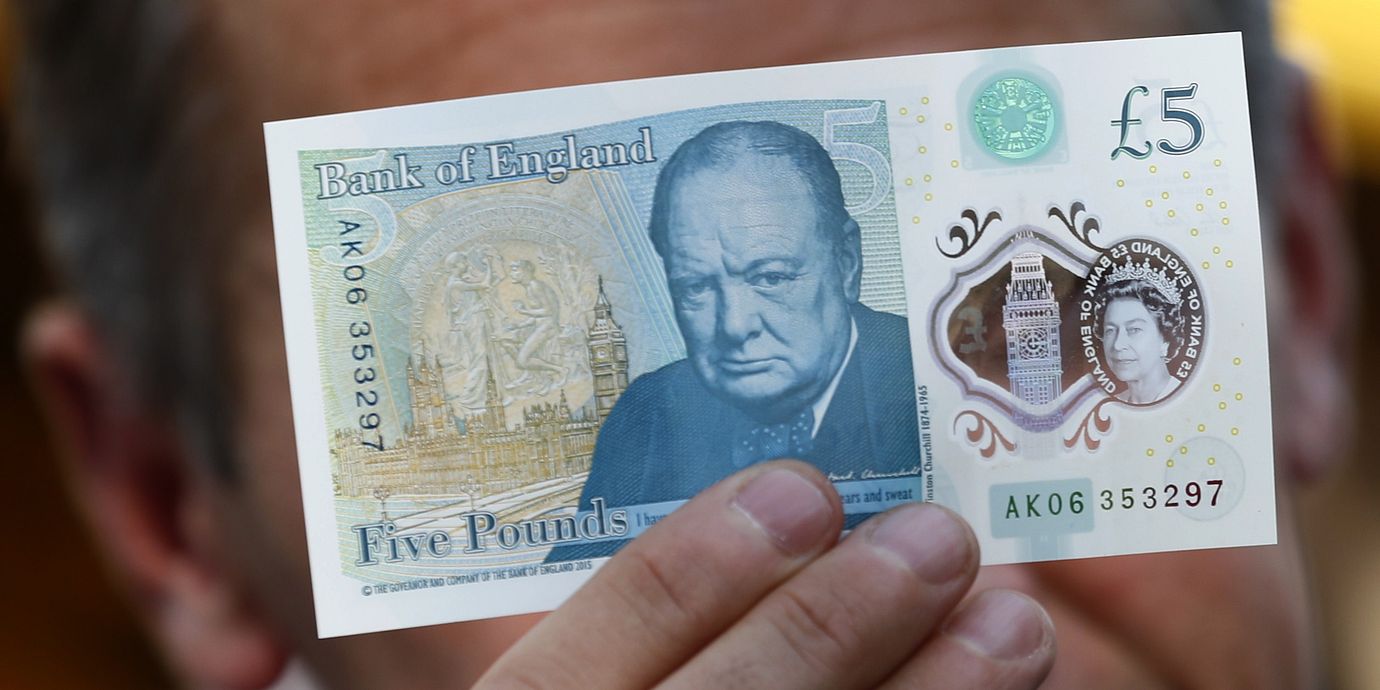
Brexit-oro pressar pundet
Det brittiska pundet faller till den lägsta nivån på fem veckor. Oro för följderna av ett brittiskt EU-utträde ligger bakom. Pressen mot pundet, som tappat 13 procent av sitt värde mot dollarn sedan folkomröstningen om EU-utträdet i juni, har tilltagit i veckan sedan den tyska centralbanken Bundesbank varnat för att banker med säte i Storbritannien kan förlora en form av automatiserat tillträde till EU-marknaden efter brexit.
bakgrund
Storbritanniens omröstning om att lämna EU
Wikipedia (en)
The United Kingdom European Union membership referendum, also known as the EU referendum and the Brexit referendum, was a referendum that took place on Thursday 23 June 2016 in the United Kingdom and Gibraltar to gauge support for the country's continued membership in the European Union. The referendum result was not legally binding. The referendum resulted in an overall vote to leave the EU, by 51.9% on a national turnout of 72% making it the highest ever for a UK-wide referendum and also the highest turnout for any national vote since the 1992 UK General Election. The result was split between the constituent countries of the United Kingdom, with a majority in England and Wales voting to leave, and a majority in Scotland and Northern Ireland, voting to remain. The British Overseas Territory of Gibraltar also voted to remain. To start the process to leave the EU, which is expected to take several years, the British government will have to invoke Article 50 of the Treaty on European Union, but it has not yet done so.
Membership of the EU and its predecessors had long been a topic of debate in the United Kingdom. The country joined the European Economic Community (EEC, or "Common Market") in 1973. A referendum on continued EEC membership was held in 1975, and it was approved by 67% of voters. In accordance with a Conservative Party manifesto commitment, the legal basis for a referendum was established by the UK Parliament through the European Union Referendum Act 2015.
Britain Stronger in Europe was the official group campaigning for the UK to remain in the EU, and Vote Leave the official group campaigning for it to leave. Other campaign groups, political parties, businesses, trade unions, newspapers and prominent individuals were also involved, and each side had supporters from across the political spectrum.
Those who favoured a British withdrawal from the European Union – commonly referred to as a Brexit (a portmanteau of "British" and "exit") – argued that the EU has a democratic deficit and that being a member undermined national sovereignty, while those who favoured membership argued that in a world with many supranational organisations any loss of sovereignty was compensated by the benefits of EU membership. Those who wanted to leave the EU argued that it would allow the UK to better control immigration, thus reducing pressure on public services, housing and jobs; save billions of pounds in EU membership fees; allow the UK to make its own trade deals; and free the UK from EU regulations and bureaucracy that they saw as needless and costly. Those who wanted to remain argued that leaving the EU would risk the UK's prosperity; diminish its influence over world affairs; jeopardise national security by reducing access to common European criminal databases; and result in trade barriers between the UK and the EU. In particular, they argued that it would lead to job losses, delays in investment into the UK and risks to business.
Financial markets reacted negatively to the outcome. Investors in worldwide stock markets lost more than the equivalent of 2 trillion United States dollars on 24 June 2016, making it the worst single-day loss in history, in absolute terms. The market losses amounted to 3 trillion US dollars by 27 June. The value of the pound sterling against the US dollar fell to a 31-year low. The UK's and the EU's sovereign debt credit rating was also lowered by Standard & Poor's. By 29 June, the markets had returned to growth and the value of the pound had begun to rise.
Immediately following the result, the Prime Minister David Cameron announced he would resign, having campaigned unsuccessfully for a "remain" vote on behalf of Britain Stronger in Europe and HM Government. He was succeeded by Theresa May on 13 July. The opposition Labour Party also faces a leadership challenge as a result of the EU referendum. In response to the result, the Scottish Government announced that it would plan for a possible second referendum on independence from the United Kingdom, and announced that it would like "discussions with the EU institutions and other member states to explore all the possible options to protect Scotland's place in the EU". Meanwhile, Nigel Farage, leader of the anti-EU UKIP stood down after his party's long-term ambition had been accomplished.
Omni är politiskt obundna och oberoende. Vi strävar efter att ge fler perspektiv på nyheterna. Har du frågor eller synpunkter kring vår rapportering? Kontakta redaktionen