Ekonomin mot historiskt ras efter demokratiprotester
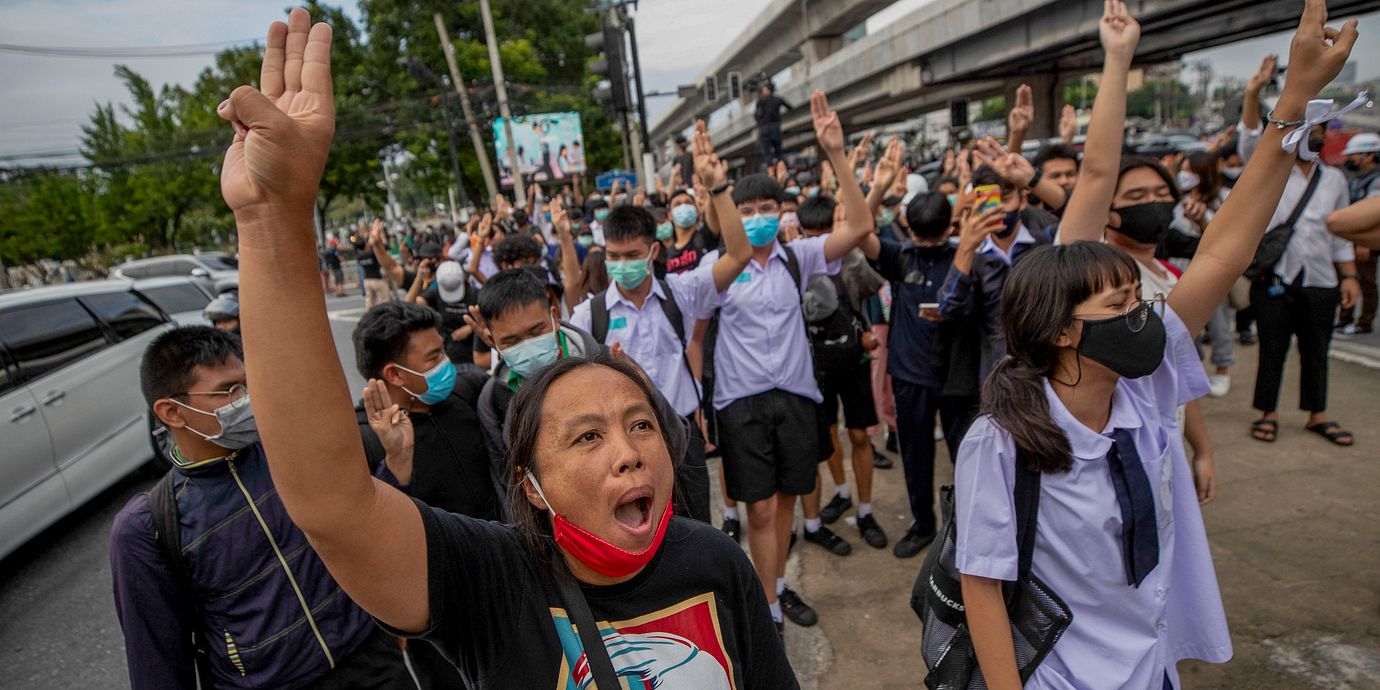
Regeringskritiska demonstranter i Thailand uppmanar befolkningen att ta ut sina pengar från Siam Commercial Bank, vars huvudägare är kung Maha Vajiralongkorn. Bankens aktier har fallit omkring 6 procent sedan protesterna inleddes i september, skriver Nikkei Asia.
Thailändska myndigheter stänger ned kollektivtrafik och vägar för att försvåra demonstrationerna, vilket ökar pressen på landets ekonomi. Bland annat tvingas köpcentrum stänga tidigare än vanligt.
Vissa analytiker menar att den thailändska ekonomin kommer att rasa mer än under finanskrisen 1998, då landets BNP sjönk 7,6 procent, rapporterar Nikkei.
bakgrund
Protesterna i Thailand 2020
Wikipedia (en)
The ongoing 2020 Thai protests are a series of protests against the government of Prime Minister Prayut Chan-o-cha, which have included demands for reform of the Thai monarchy, unprecedented in the contemporary era. The protests were initially triggered by the dissolution of the Future Forward Party in late February 2020. The party was critical of Prayut and the country's political landscape designed by the current 2017 constitution. This first wave of protests was held exclusively on academic campuses and was brought to a halt by the COVID-19 pandemic.
The protests erupted again on 18 July in a large demonstration organized under the Free Youth umbrella at the Democracy Monument. Three demands were presented to the government: the dissolution of parliament, ending intimidation of the people, and the drafting of a new constitution. The July protests were triggered by the impact of the COVID-19 pandemic and enforcement of the lockdown Emergency Decree and spread nationwide.
Periodic mass demonstrations followed. On 3 August, two student groups publicly raised demands to reform the monarchy, breaking a long taboo of publicly criticizing the monarchy. A week later, ten demands for monarchy reform were declared. MPs tabled motions to reform the Constitution, and a parliamentary dialogue forum involving proposals of monarchy reform was set up. A 19 September rally saw 20,000–100,000 protesters and has been described as an open challenge to King Vajiralongkorn. A government decision to delay voting on a constitutional amendment in late September fueled nearly unprecedented public republican sentiment. Following mass protests on 14 October, a "severe" state of emergency, which gave more emergency powers to the authorities compared to those given by the Emergency Decree since March, was declared in Bangkok on the 15th, citing the alleged blocking of a royal motorcade. Protests continued despite the ban, prompting a crackdown by police on 16 October.
Government responses have included filing criminal charges using the Emergency Decree; arbitrary detention and police intimidation; delaying tactics; the deployment of military information warfare units; media censorship; the mobilization of pro-government and royalist groups; which have accused the protesters of receiving support from foreign governments or NGOs as part of a global conspiracy against Thailand; and the deployment of thousands of police at protests. The government has ordered university chancellors to prevent students from demanding monarchy reform and to identify student protest leaders. Protests in October, when the King returned to the country from Germany, have resulted in the deployment of the military, riot police, and mass arrests.
Läs mer
Omni är politiskt obundna och oberoende. Vi strävar efter att ge fler perspektiv på nyheterna. Har du frågor eller synpunkter kring vår rapportering? Kontakta redaktionen