Tigerstammen i Indien växer – fler än 3 000 djur
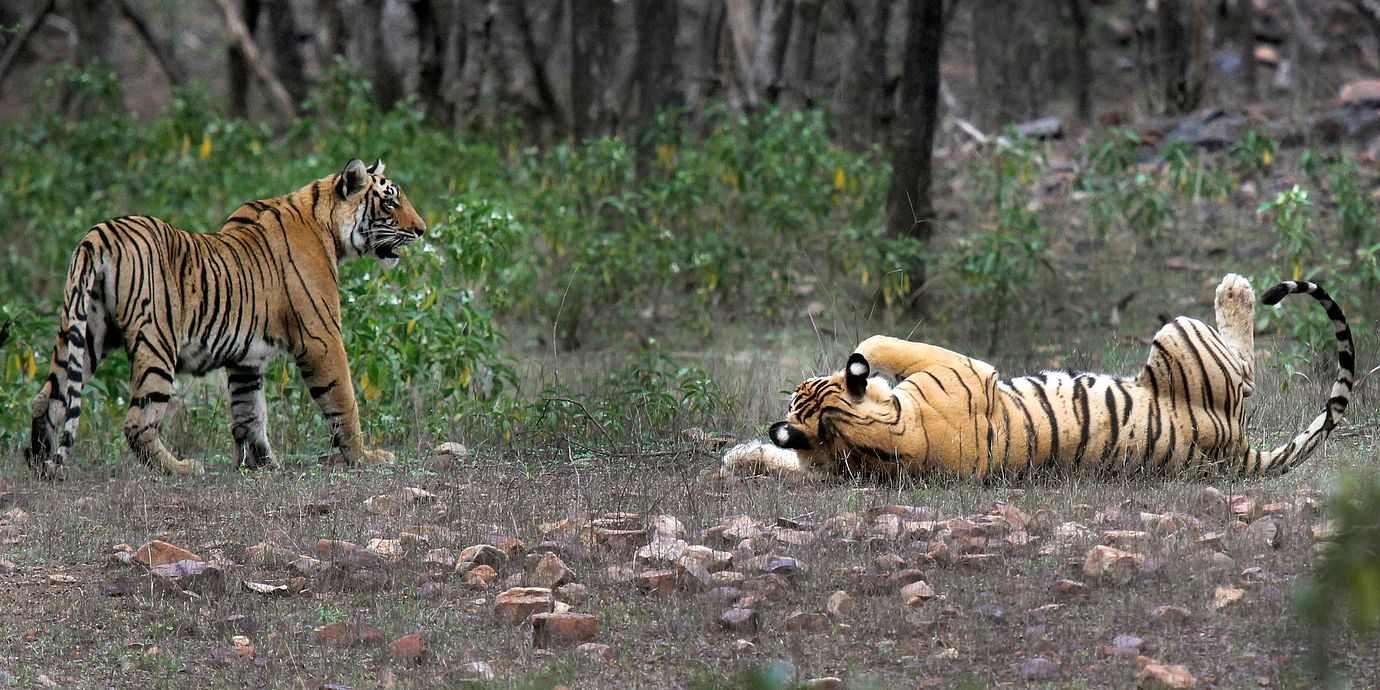
Antalet tigrar i Indien fortsätter att öka, långsamt men stadigt. Nyhetsbyrån AFP skriver att en ny rapport som presenterades på söndagen visade att det nu finns 3 167 tigrar i landet, jämfört med 2 967 för fyra år sedan.
– Det här är en succé, inte bara för Indien utan för hela världen, säger premiärminister Narendra Modi.
Men India Today skriver att det fortsatt finns flera problem att ta itu med. Bland annat måste man se till att skydda större landområden som tigrarna kan breda ut sig över.
bakgrund
Project Tiger
Wikipedia (en)
Project Tiger is a tiger conservation programme launched in November 1973 by the Government of India during Prime Minister Indira Gandhi's tenure. The project aims at ensuring a viable population of the Bengal tiger in its natural habitats, protecting it from extinction, and preserving areas of biological importance as a natural heritage that represent the diversity of ecosystems across the tiger's range in the country. The project's task force visualised these tiger reserves as breeding nuclei, from which surplus animals would migrate to adjacent forests. Funds and commitment were mustered to support the intensive program of habitat protection and rehabilitation under the project. During the tiger census of 2006, a new methodology was used extrapolating site-specific densities of tigers, their co-predators and prey derived from camera trap and sign surveys using GIS. Based on the result of these surveys, the total tiger population was estimated at 1,411 individuals ranging from 1,165 to 1,657 adult and sub-adult tigers of more than 1.5 years of age. It was claimed that owing to the project, the number of tigers increased to 2,603–3,346 individuals by 2018.
In a testimony to the success of Project Tiger, in 2022, 54th tiger reserve in India was declared in Ranipur Wildlife Sanctuary, Uttar Pradesh, being the State’s fourth tiger reserve.
Omni är politiskt obundna och oberoende. Vi strävar efter att ge fler perspektiv på nyheterna. Har du frågor eller synpunkter kring vår rapportering? Kontakta redaktionen