Wikipedia (en)
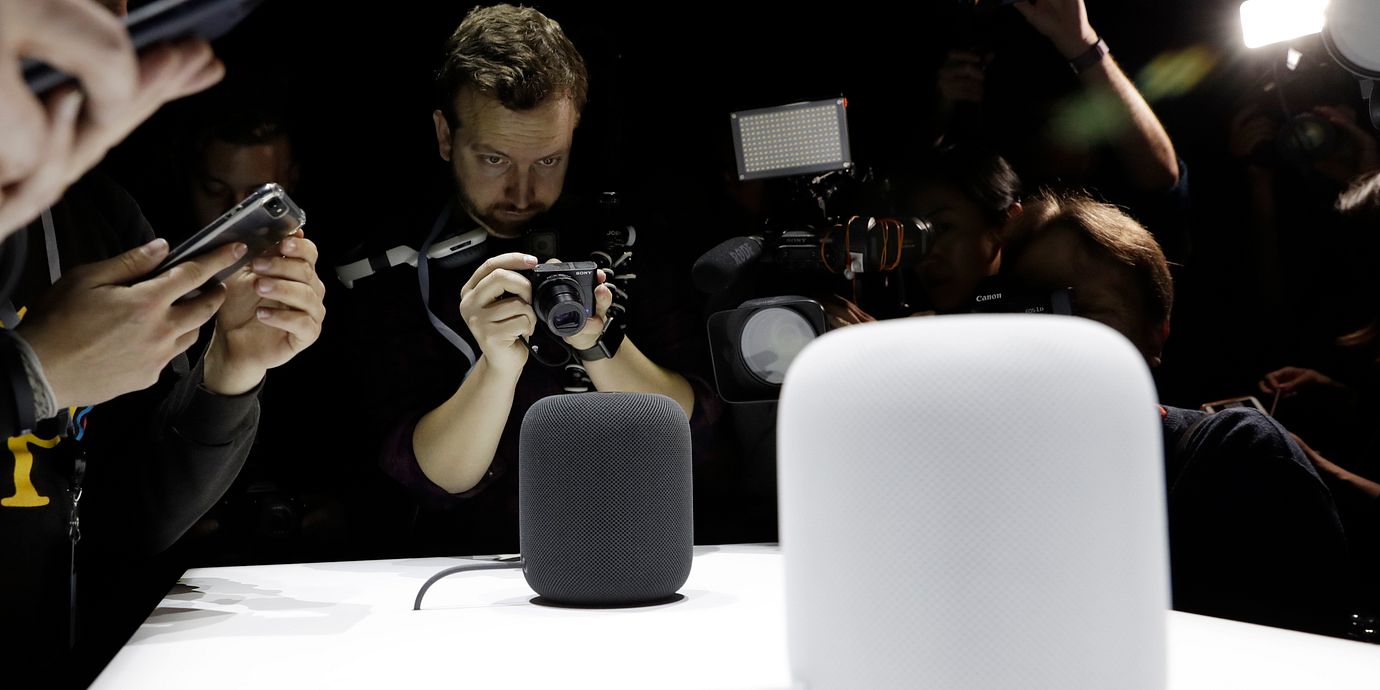
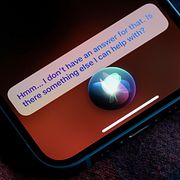
Siri (pronounced SEER-ee) is a virtual assistant part of Apple Inc.'s iOS, watchOS, macOS, HomePod, and tvOS operating systems. The assistant uses voice queries and a natural-language user interface to answer questions, make recommendations, and perform actions by delegating requests to a set of Internet services. The software adapts to users' individual language usages, searches, and preferences, with continuing use. Returned results are individualized.
Siri is a spin-off from a project originally developed by the SRI International Artificial Intelligence Center. Its speech recognition engine was provided by Nuance Communications, and Siri uses advanced machine learning technologies to function. Its original American, British, and Australian voice actors recorded their respective voices around 2005, unaware of the recordings' eventual usage in Siri. The voice assistant was released as an app for iOS in February 2010, and it was acquired by Apple two months later. Siri was then integrated into iPhone 4S at its release in October 2011. At that time, the separate app was also removed from the iOS App Store. Siri has become an integral part of Apple's products, having been adapted into other hardware devices over the years, including newer iPhone models, as well as iPad, iPod Touch, Mac, AirPods, Apple TV and HomePod.
Siri supports a wide range of user commands, including performing phone actions, checking basic information, scheduling events and reminders, handling device settings, searching the Internet, navigating areas, finding information on entertainment, and is able to engage with iOS-integrated apps. With the release of iOS 10 in 2016, Apple opened up limited third-party access to Siri, including third-party messaging apps, as well as payments, ride-sharing, and Internet calling apps. With the release of iOS 11, Apple has updated Siri's voices for more clear, human voices, supports follow-up questions and language translation, and additional third-party actions.
Siri's original release on iPhone 4S in 2011 received mixed reviews. It received praise for its voice recognition and contextual knowledge of user information, including calendar appointments, but was criticized for requiring stiff user commands and having a lack of flexibility. It was also criticized for lacking information on certain nearby places, and for its inability to understand certain English accents. In 2016 and 2017, a number of media reports have indicated that Siri is lacking in innovation, particularly against new competing voice assistants from other technology companies. The reports concerned Siri's limited set of features, "bad" voice recognition, and undeveloped service integrations as causing trouble for Apple in the field of artificial intelligence and cloud-based services; the basis for the complaints reportedly due to stifled development, as caused by Apple's prioritization of user privacy and executive power struggles within the company.