Ukrainas säkerhetstjänst: Ryssland bakom nätattack
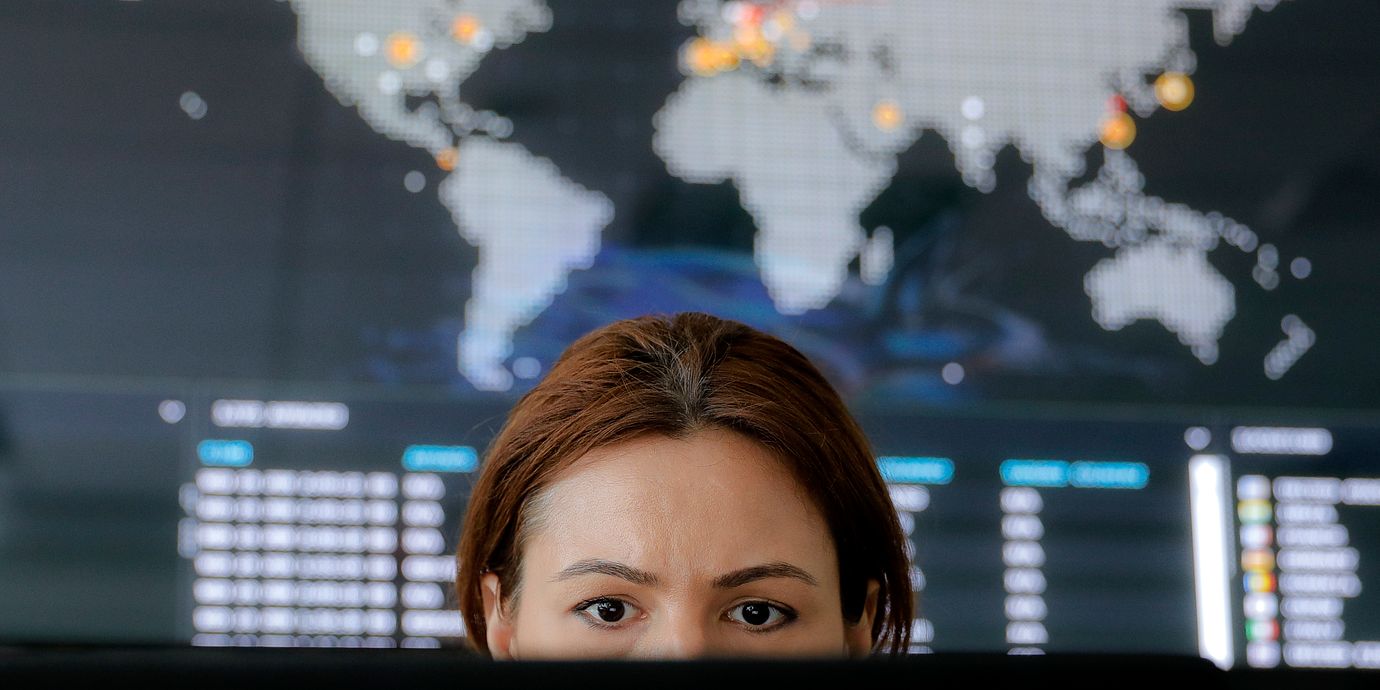
Ukrainas säkerhetstjänst SBU anklagar Ryssland för att ligga bakom det cyberangrepp som drabbade flera företag och banker i Europa tidigare i veckan.
Enligt SBU ska syftet ha varit att sabotera känslig datautrustning i landet, eller förbereda inför framtida sabotage, uppger Ekot.
Ukraina var det land som drabbades svårast. Därefter slog angreppet svårt mot Ryssland vilket fått vissa bedömare att ifrågasätta utpekandet, men enligt SBU ska nätattacken ha spridit sig på ett oplanerat sätt.
Ryssland har inte officiellt förnekat anklagelserna, men en rysk politiker har kallat dem för ”fiktion” och pekar i stället finger åt USA, rapporterar AP.
bakgrund
Rysk-ukrainska relationerna
Wikipedia (en)
Russia–Ukraine relations (Ukrainian: Українсько-російські відносини, Russian: Российско-украинские отношения) were transitioned into international relations during the 1990s immediately upon the dissolution of the Soviet Union, of which both had been founding constituent republics. Established sometime in the 18th century, the relations were discontinued upon liquidation of Cossack Hetmanate's autonomy by Catherine the Great in the 18th century. For a short period of time the relations were reinstated during World War I, soon after the Communist October Revolution. In 1920 Ukraine was overrun by Soviet Russia and relations between the two states transitioned from international to internal ones within the Soviet Union.
On 10 February 2015, in response to Russian military intervention, the parliament of Ukraine has registered a draft decree on suspending diplomatic relations with Russian Federation. Although this suspension did not materialize, Ukrainian official Dmytro Kuleba (permanent representative of Ukraine in Council of Europe) admitted early April 2016 that diplomatic relations had been reduced "almost to zero".
On 5 October 2016, the Ministry of Foreign Affairs of Ukraine officially recommended its citizens to avoid any type of travel to Russia or transit through its territory claiming Russian law enforcers' growing number of groundless arrests of Ukrainian citizens who are often "rudely treated using illegal methods of physical and psychological pressure, torture and other acts violating human rights and dignity".
Russia has an embassy in Kyiv and consulates in Kharkiv, Lviv, and Odesa. Ukraine has an embassy in Moscow and consulates in Rostov-on-Don, Saint Petersburg, Yekaterinburg, Tyumen and Vladivostok. The Ukrainian ambassador to Russia has been recalled since March 2014. Since then, Ukraine’s highest diplomatic representation in Russia is its temporary chargé d'affaires. Similarly, since July 2016, after the Russian ambassador to Ukraine was relieved, Russia's highest diplomatic representation in Ukraine is also its temporary chargé d'affaires.
Intergovernmental relations between two countries are complicated and since 1991 underwent periods of ties, tensions, and outright hostility. Prior to Euromaidan, under Ukrainian president Viktor Yanukovych (February 2010 – February 2014), relations were cooperative, with various trade agreements in place. After the 2014 Ukrainian Revolution, which saw the pro-Russian Yanukovych ousted on 21 February 2014, relations between Russia and Ukraine deteriorated rapidly: significant corruption of pro-Russian government members, forced one-decade russification and pressure on Ukrainian language in eastern parts of Ukraine and Crimea have been undercovered; Russia, in order not to lose influence on Ukraine, militarily invaded Autonomous Republic of Crimea and transported troops and heavy weapons to eastern part of Ukraine for further escalation. In March 2014, the Russian Federation has against international law annexed Crimea following an illegal referendum widely condemned by the international community. Throughout March and April 2014, pro-Russian unrest has been spread with pro-Russian "People's Republics" being self-proclaimed in Donetsk and Luhansk, which are temporarily uncontrolled by Ukrainian government. In response, Ukraine initiated multiple international court litigations against Russia as well as suspended all types of military cooperation and export. Ukraine has also on 20 April 2016 established a separate government department - Ministry of Temporarily Occupied Territories and Internally displaced persons. Many countries and international organizations applied sanctions against Russian Federation and Ukrainian citizens involved and responsible for the escalation.
Military clashes between pro-Russian rebels backed by Russian military and the Armed Forces of Ukraine began in the East of the country in April 2014. On 5 September 2014, a tentative truce (ceasefire) agreement between the Ukrainian government and representatives of self-proclaimed Donetsk People's Republic and Luhansk People's Republic was signed; the ceasefire definitively imploded amidst intense new fighting in January 2015. A new ceasefire agreement has been in place since mid-February 2015. But this agreement also failed to stop the fighting.
Some analysts believe that the current Russian leadership is determined to prevent an equivalent of the Ukrainian Orange Revolution in Russia. This perspective is supposed to explain not only Russian domestic policy but its sensitivity to events abroad. Many in Ukraine and beyond believe that Russia has periodically used its vast energy resources to bully its smaller neighbours, but the Russian government argues it was the internal squabbling amongst Ukraine's political elite that is to blame for the deadlock. The conflict in Ukraine and the alleged role of Russia in it greatly escalated tensions in the relationship between Russia and major Western powers, especially relations between Russia and the US, which caused observers to characterize those in 2014 as assuming an adversarial nature, or the advent of Cold War II and World War III.
Omni är politiskt obundna och oberoende. Vi strävar efter att ge fler perspektiv på nyheterna. Har du frågor eller synpunkter kring vår rapportering? Kontakta redaktionen