Stora studentprotester efter 24-åriga Marianas död
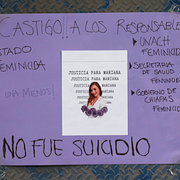
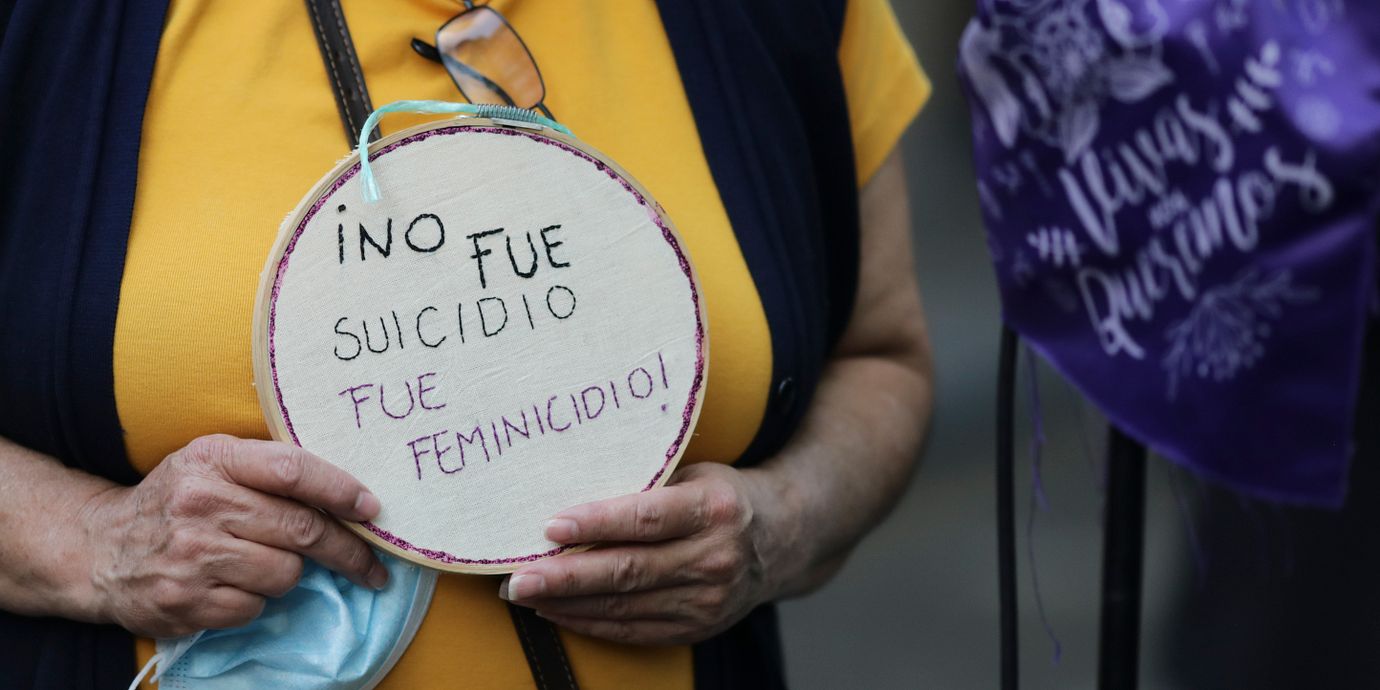
Ett stort antal läkarstudenter har demonstrerat vid universitet i mexikanska delstaten Chiapas efter att läkarstudenten Mariana Sánchez Dávalos, 24, hittades död den 28 januari, rapporterar Heraldo de Mexico.
Protesten riktar sig mot de mexikanska myndigheterna som kritiseras för att inte ta våldet och sexuella övergrepp mot kvinnor på allvar.
Mariana Sánchez Dávalos hade tidigare polisanmält att hon under flera månader utsatts för sexuella övergrepp av en kollega på sjukhuset där hon gjorde praktik, men det startades aldrig någon utredning.
Hon hittades hängd på sitt rum, men det är ännu inte känt om hon tog sitt eget liv eller blev mördad.
bakgrund
Femicide
Wikipedia (en)
Femicide or feminicide is a sex-based hate crime term, broadly defined as "the intentional killing of women or girls because they are female", though definitions vary depending on its cultural context. Feminist author Diana E. H. Russell was the first person to define and disseminate this term in modern times, in 1976. She defines the word as "the killing of females by males because they are female." Other feminists place emphasis on the intention or purpose of the act being directed at females specifically because they are female. Others include the killing of females by females.Often, the necessity of defining the murder of females separately from overall homicide is questioned. Intimate partner violence affects 3 in 10 women over a lifetime, and it is estimated that 13.5% of homicides globally involved intimate partners, and these percentage of killings are gendered. Opponents argue that since over 80% of all murder victims are men, the term places too much emphasis on the less prevalent murder of females. However, a partner is responsible in almost 40% of homicides involving a female victim, compared with 6% partner responsibility for homicides involving a male victim. In addition, the study of femicide is a social challenge.An alternative term offered is gendercide, which is considered to be more ambivalent and inclusive. However, some feminists argue that the term gendercide perpetuates the taboo of the subject of the murder of females, and proves the continual silencing power of dominant male structures in society. Feminists also argue that the motives for femicide are vastly different than those for androcide. Instead of centering in street violence, much of femicide is centered within the home, i.e. domestic violence.
Omni är politiskt obundna och oberoende. Vi strävar efter att ge fler perspektiv på nyheterna. Har du frågor eller synpunkter kring vår rapportering? Kontakta redaktionen