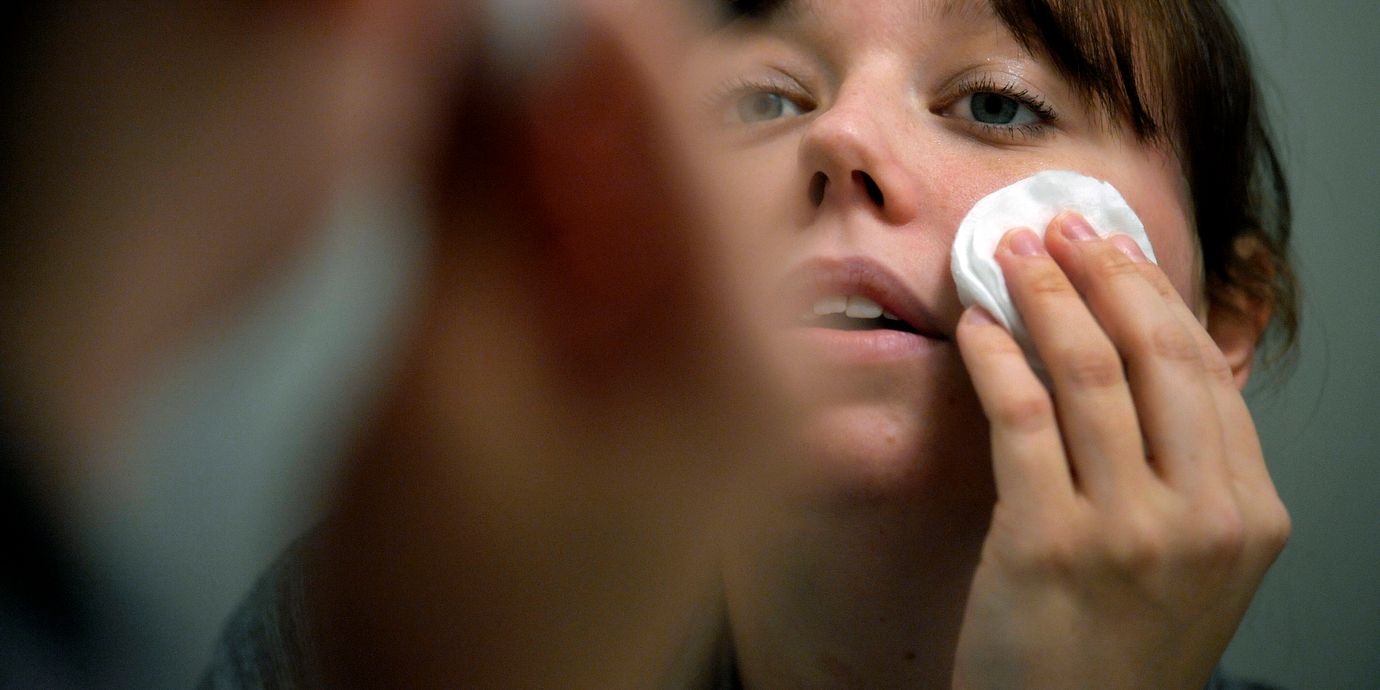
Fler unga stockholmare använder aknemedicin
Antalet unga i Stockholms län som använder aknemedicinen isotretinoin har nästan fördubblats på bara sex år, rapporterar P4 Stockholm. Men forskare manar till försiktighet med läkemedlet då det kan ge fosterskador. Patienter som får medicinen måste intyga att de inte avser att bli gravida och att de ska undvika att utsätta sig för alkohol och solljus.
Fram till 2013 fick bara hudläkare med speciallicens skriva ut medicinen. Anders Valhquist, som är professor i dermatologi, anser att den regeln borde ha funnits kvar.
– Man måste vara väldigt noga med kontroll och information till patienter och inte vara allt för frikostig och behandla lindriga former av akne, säger han till radion.
bakgrund
Isotretinoin
Wikipedia (en)
Isotretinoin, also known as 13-cis-retinoic acid (and colloquially referred to by its former brand name Accutane or Roaccutane), is a medication primarily used to treat severe acne. Rarely, it is also used to prevent certain skin cancers (squamous-cell carcinoma), and in the treatment of other cancers. It is used to treat harlequin-type ichthyosis, a usually lethal skin disease, and lamellar ichthyosis. It is a retinoid, meaning it is related to vitamin A, and is found in small quantities naturally in the body. Its isomer, tretinoin, is also an acne drug.
Isotretinoin is primarily used as a treatment for severe acne. The most common adverse effects are a transient worsening of acne (lasting 1–4 months), dry lips (cheilitis), dry and fragile skin, and an increased susceptibility to sunburn. Uncommon and rare side effects include muscle aches and pains (myalgias), and headaches. Isotretinoin is known to cause birth defects due to in-utero exposure because of the molecule's close resemblance to retinoic acid, a natural vitamin A derivative which controls normal embryonic development. It is also associated with psychiatric side effects, most commonly depression but also, more rarely, psychosis and unusual behaviours. Other rare side effects include hyperostosis, and premature epiphyseal closure, have been reported to be persistent.
In the United States, a special procedure is required to obtain the pharmaceutical. In most other countries, a consent form is required which explains these risks. Women taking isotretinoin must not get pregnant during and for one month after the discontinuation of isotretinoin therapy. Sexual abstinence or effective contraception is mandatory during this period. Barrier methods by themselves (e.g., condoms) are not considered adequate due to the unacceptable failure rates of approximately 3%. Women who become pregnant while taking isotretinoin therapy are generally counseled to have an abortion.
It was patented in 1969 and approved for medical use in 1982. It sold well for many years, but in 2009, Roche decided to discontinue manufacturing due to diminishing market share due to the availability of the many generic versions of the drug and in the setting of multiple lawsuits over side effects. It continues to be manufactured worldwide in 2019 as Absorica, Amnesteem, Claravis, Myorisan, Sotret, and Zenatane.
Omni är politiskt obundna och oberoende. Vi strävar efter att ge fler perspektiv på nyheterna. Har du frågor eller synpunkter kring vår rapportering? Kontakta redaktionen