Imamer i Tyskland anklagas för spioneri åt Turkiet
Tysk polis har gjort tillslag mot flera imamer som misstänks ha spionerat för turkiska statens räkning. Imamerna anklagas bland annat för att ha samlat in information om påstådda anhängare till predikanten Fethullah Gülen, som regeringen anklagar för att ligga bakom förra sommarens kuppförsök.
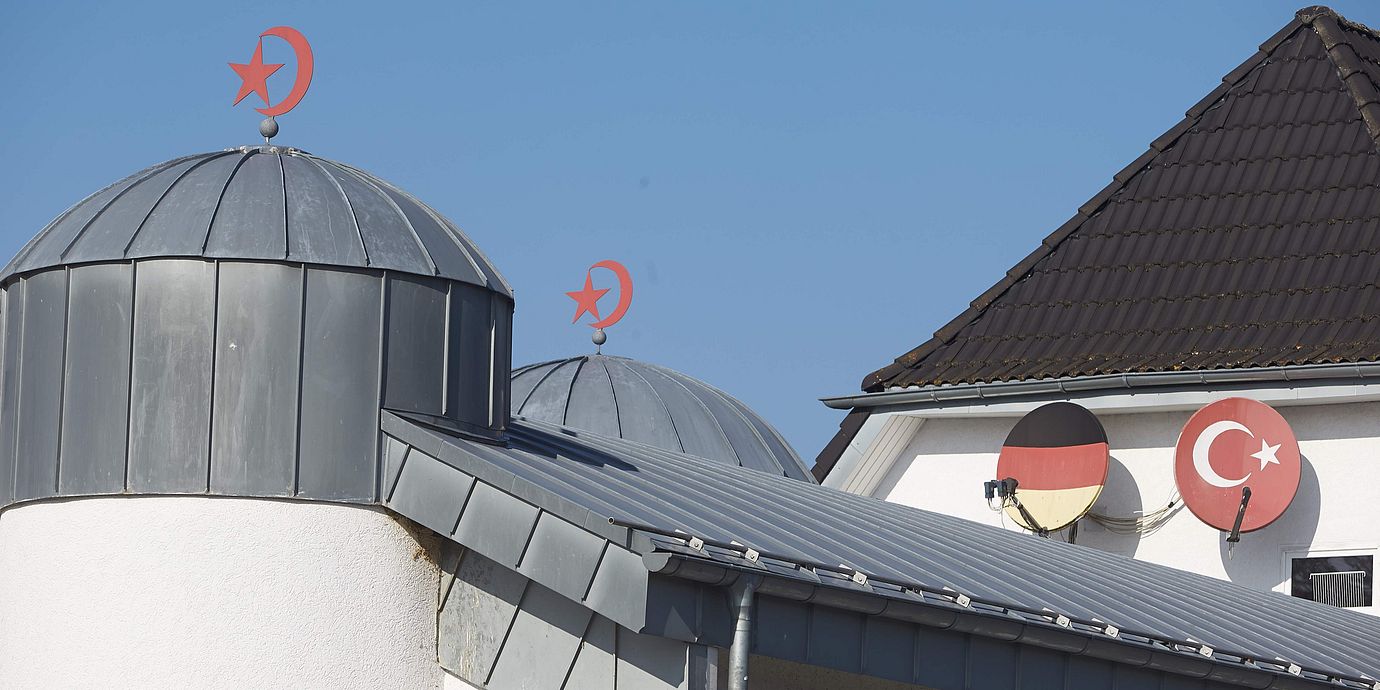
Imamerna tillhör enligt tidningen den turkisk-islamiska organisationen Ditib, som har kopplingar till den turkiska religionsmyndigheten Diyanet, skriver Der Spiegel.
bakgrund
Diyanet
Wikipedia (en)
In Turkey, the Presidency of Religious Affairs (Turkish: Diyanet İşleri Başkanlığı also Religious Affairs Directorate, and normally referred to simply as the Diyanet) is an official state institution established in 1924 in article 136 of the Constitution of Turkey by the Grand National Assembly of Turkey as a successor to the Sheikh ul-Islam after the abolition of the Ottoman Caliphate.
As specified by law, the duties of the Diyanet are “to execute the works concerning the beliefs, worship, and ethics of Islam, enlighten the public about their religion, and administer the sacred worshiping places”. The Diyanet drafts a weekly sermon delivered at the nation’s 85,000 mosques and more than 2,000 mosques abroad that function under the directorate. It provides Quranic education for children and trains and employs all of Turkey’s imams, who are technically considered civil servants. It has been criticized for ignoring the Islamic creed of the 33–40% of Turkey's population that is not Hanafi Sunni Muslim.
Started from 2006 the Diyanet was "beefed up", and by 2015 its budget had increased fourfold, and staff doubled to nearly 150,000. In 2012 it opened a television station, now broadcasting 24-hours a day. It has expanded Quranic education to early ages and boarding schools – "enabling the full immersion of young children in a religious lifestyle" – and now issues fatawa on demand.
According to some observers (David Lepeska, Svante Cornell), since the Justice and Development Party (AKP) came to power in 2002, the mission of the Diyanet has changed – from one of exercising state oversight over religious affairs and ensuring that religion did not challenge the Turkish republic’s "ostensibly secular identity", to that of promoting mainstream Hanafi Sunni Islam, "a conservative lifestyle at home, and projecting "Turkish Islam abroad".
Omni är politiskt obundna och oberoende. Vi strävar efter att ge fler perspektiv på nyheterna. Har du frågor eller synpunkter kring vår rapportering? Kontakta redaktionen