(ALASTAIR GRANT / POOL)

Analys: Nationalism kan slå hårt mot ekonomin

Efter brexitomröstningen växer EU-kritiska rörelser exempelvis inför valen i Tyskland och Frankrike nästa år. Så vilka blir de ekonomiska konsekvenserna av nationalism? Det frågar sig Mohamed A El-Erian, ekonom vid Cambridge, i en analys på Project Syndicate.
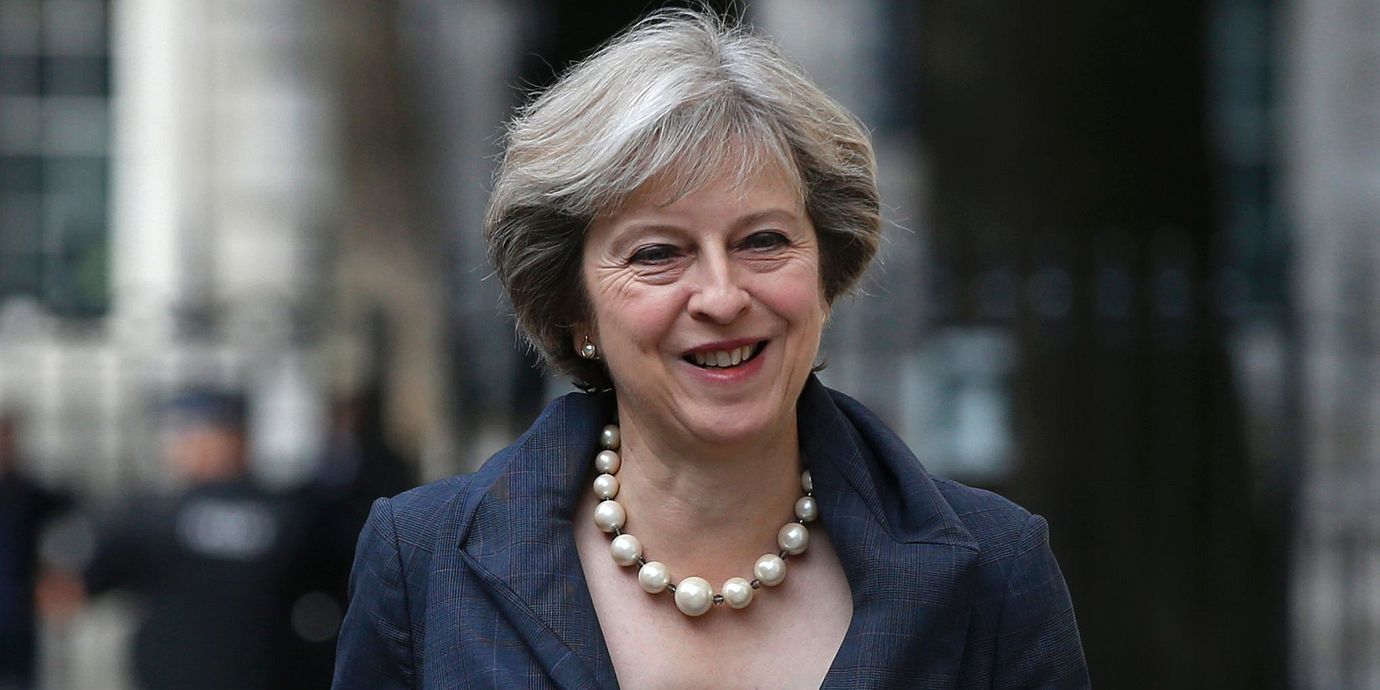
Han menar att den brittiska premiärministern Theresa Mays taktik att gå långsamt fram med förhandlingarna åtminstone tillfälligt har lugnat marknadens aktörer och visar att de politiska aktörerna med rätt inställning kan hantera chocker och överraskningar. Mohamed A El-Erian tillägger:
”Andra som har liknande introverta agendor (...) bör ta notis”.
Samtidigt kommer företag och hushåll inte att reagera fullt ut förrän separationen mellan Storbritannien och EU är ett faktum. Om förändringarna blir omfattande i landets handel och dess ekonomiska kopplingar till EU kommer gensvaret ”nästan oundvikligen att skada den ekonomiska tillväxten och orsaka finansiell volatilitet”, skriver El-Erian.
bakgrund
 
Mohamed A El-Erian
Wikipedia (en)
Mohamed A. El-Erian (Egyptian Arabic: [mæˈħæmmæd elʕeɾˈjæːn]; born August 19, 1958) is an Egyptian American businessman. He is chief economic adviser at Allianz, the corporate parent of PIMCO where he served as CEO and co-chief investment officer (2007-2014). He is as chair of President Obama's Global Development Council, a columnist for Bloomberg View, and a contributing editor to the Financial Times. Since 2014, he has served on the panel of experts that judged and selected the Financial Times/McKinsey Business Book of the Year. He is also a regular contributor to "Project Syndicate", Yahoo Finance, Business Insider as well as Fortune/CNN and Foreign Policy. Named for 4 years in a row as one of Foreign Policy's "Top 100 Global Thinkers," he has written two New York Times Best Sellers, including, The Only Game in Town: Central Banks, Instability, and Avoiding the Next Collapse published in January 2016 by Random House. Together with Sir Harvey McGrath, he co-chairs the capital campaign for Cambridge University and its Colleges.

Läs också:

bakgrund
 
Brexit
Wikipedia (en)
The United Kingdom (UK) intends to withdraw from the European Union (EU), a process commonly known as Brexit, as a result of a June 2016 referendum in which 51.9% voted to leave the EU. The separation process is complex, causing political and economic changes for the UK and other countries. As of September 2016, neither the timetable nor the terms for withdrawal have been established: in the meantime, the UK remains a full member of the European Union. The term "Brexit" is a portmanteau of the words "British" and "exit". The process of withdrawal from the European Union has, since 2007, been governed by Article 50 of the Treaty on European Union. No member state has ever left the EU. Under Article 50 the withdrawal must be in accordance with the Member State's constitutional requirements and uncertainty exists as to the constitutional requirements in the UK. Unless extensions are agreed to unanimously by the Council of the European Union, the timing for leaving under the article is two years from when the UK gives official notice, but this official notice was not given immediately following the referendum in June 2016. The assumption is that during the two-year window new agreements will be negotiated, but there is no requirement that there be new agreements. Some aspects, such as trade agreements, may be made difficult to negotiate by the EU until after Britain has formally left the EU. Withdrawal has been the goal of various individuals, advocacy groups, and political parties since the UK joined the European Economic Community (EEC), the predecessor of the EU, in 1973, though continued membership of the EEC and the Common Market was approved in a 1975 referendum by 67.2% of votes.
Omni är politiskt obundna och oberoende. Vi strävar efter att ge fler perspektiv på nyheterna. Har du frågor eller synpunkter kring vår rapportering? Kontakta redaktionen