Bönder rikare än börshajar när Samsung kom till byn
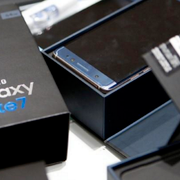
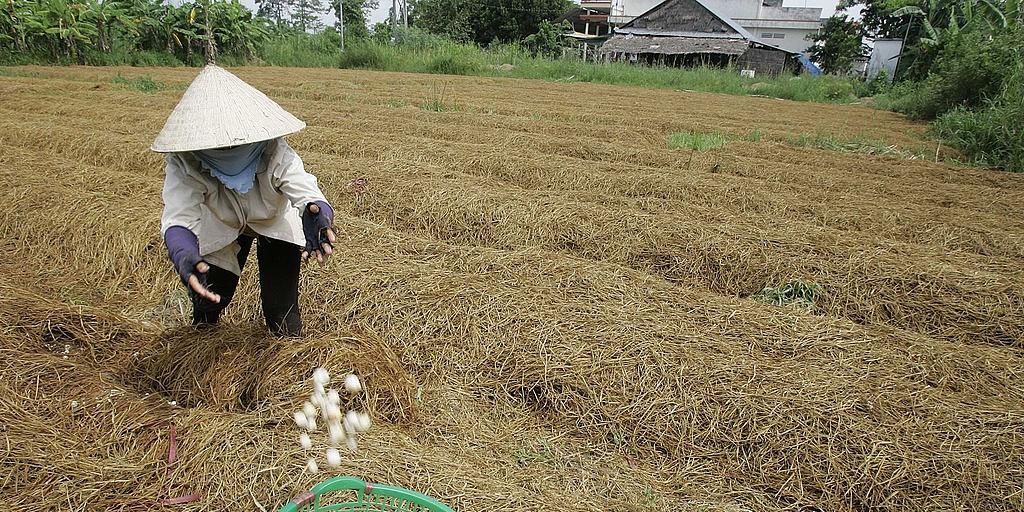
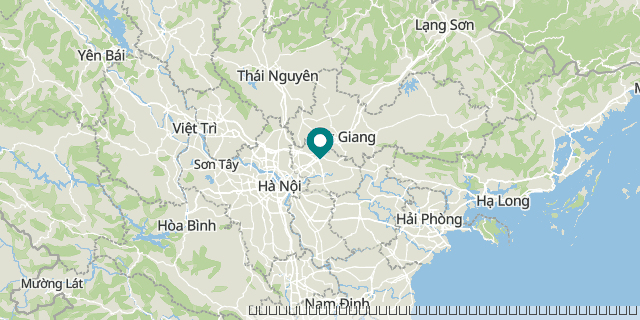
För sju år sedan var de bönder – i dag tjänar invånarna i Bac Ninh i Vietnamn mer än landets börshandlare. Skillnaden stavas Samsung, skriver Bloomberg. Här har elektronikjätten byggt en fabrik med 45 000 arbetare som levererar mycket av komponenterna till nya telefonen Galaxy Note 7. 57-åriga Nguyen Thi Dung brukade försörja sig på kycklingar, i år kommer hon att tjäna motsvarande 590 000 kronor.
– Jag vill köpa en bil och låta mina barn köra runt mig i den, säger hon till Bloomberg.
bakgrund
Vietnams ekonomi
Wikipedia (en)
Vietnam's socialist-oriented market economy is a developing planned economy and market economy. Since the mid-1980s, through the Đổi Mới reform period, Vietnam has made a shift from a highly centralized planned economy to a mixed economy that uses both directive and indicative planning through five-year plans. Over that period, the economy has experienced rapid growth. In the twenty-first century, Vietnam is in a period of being integrated into the global economy. Almost all Vietnamese enterprises are small and medium enterprises (SMEs). Vietnam has become a leading agricultural exporter and served as an attractive destination for foreign investment in Southeast Asia. In a similar fashion to other Communist countries after the end of the Cold War the planned economy of Vietnam lost the momentum for productivity and sustainable growth. In the current period the economy of Vietnam relies largely on foreign direct investment to attract the capital from overseas to support its continual economic rigorousness.
In 2013, the nominal GDP reached US$170.565 billion, with nominal GDP per capita of US$1,902. According to a forecast in December 2005 by Goldman Sachs, the Vietnamese economy was expected to become the 35th largest economy in the world with nominal GDP of US$436 billion and nominal GDP per capita of US$4,357 by 2020. According to a forecast by the PricewaterhouseCoopers in 2008, Vietnam may be the fastest-growing of the world's emerging economies by 2020, with a potential annual growth rate of about 10% in real terms, which would increase the size of the economy to 70% of the size of the UK economy by 2040.
Vietnam has been named among the Next Eleven and CIVETS countries. Despite economic achievement following Doi Moi, there exist issues that cause many analysts and researchers to remain worried about the economic slowdown in the country in recent years.
Bac Ninh:
Omni är politiskt obundna och oberoende. Vi strävar efter att ge fler perspektiv på nyheterna. Har du frågor eller synpunkter kring vår rapportering? Kontakta redaktionen