bakgrund
Massakrerna i Iran 2025–2026
Wikipedia (en)
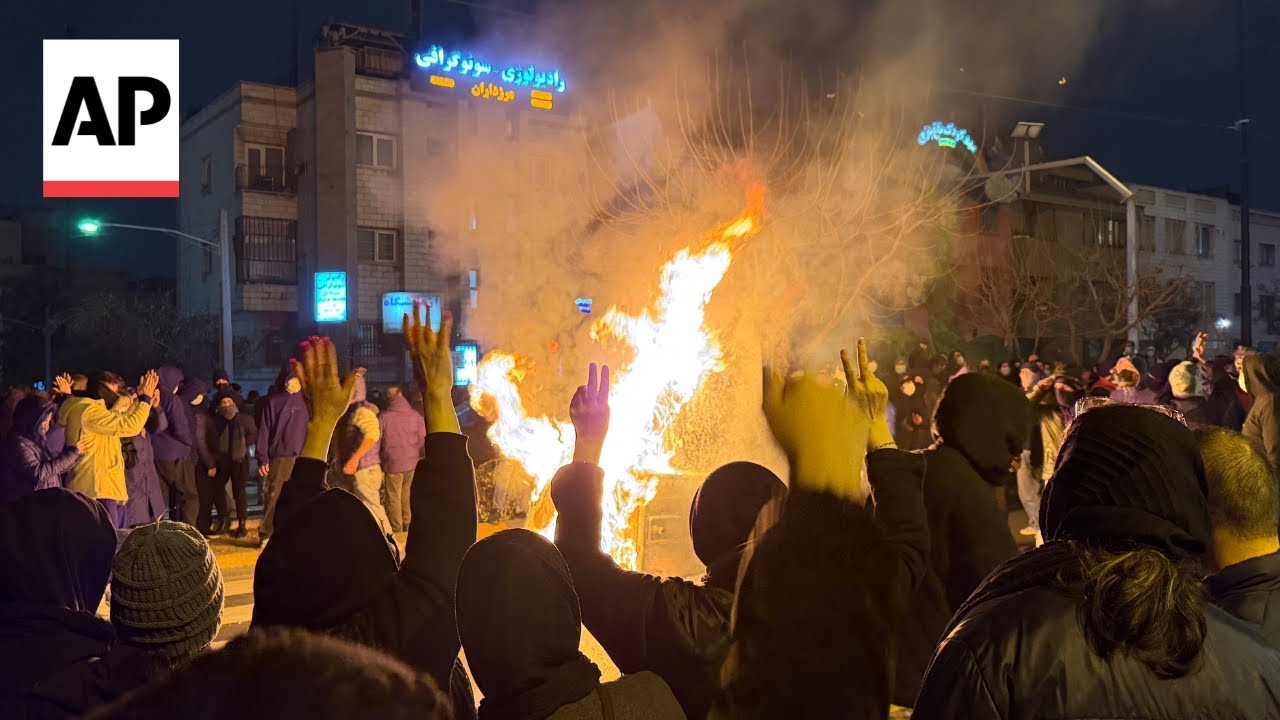
The 2025–2026 Iran massacres are a series of mass killings of civilians by the Iranian government during the 2025–26 Iranian protests, deploying both its own security forces and importing foreign militias to suppress public dissent nationwide. As of 25 January 2026, death toll estimates ranged from 6,488 people to upwards of ~36,500 people, including 209 government-affiliated military and non-military personnel, making these among the largest massacres in the modern history of Iran.
On 12 January 2026, Esmail Baghaei, spokesperson for the Iranian Ministry of Foreign Affairs, confirmed that security forces had directly shot at protesters. On 25 January, Time reported that a specific list included 30,304 protest-related deaths registered in civilian hospitals for 8 and 9 January alone. The same day, Iran International estimated total deaths at ~36,500. An Iranian doctors' network cited by The Guardian estimated that the death toll could be more than 30,000, based on an estimated factor of ten undercount in the official death toll. AP News reported that the government's overwhelming use of violence had caused despair among the public.
Ali Larijani, secretary of the Supreme National Security Council, has been attributed responsibility as one of the key planners of the massacres by former Iranian government officials. The crackdown was initiated in pursuit of orders from Supreme Leader Ali Khamenei and senior officials to use live fire against protesters. Khamenei himself had ordered the protests "crush[ed]... by any means necessary". As of 19 January 2026, the Iranian government had reasserted control over the protests. Worldwide support protests took place on 14 February, and protest waves restarted in western Iran on 16 February and in universities on 21 February.
Khamenei acknowledged "thousands" had been killed during the protests, blaming American president Donald Trump for the massacre and accusing those leading the protests of affiliation with the United States and Israel. The Iranian government put the death toll at 3,117, stating that 2,447 were civilians and security forces, and the rest were "terrorists". The government published an official list of 2,986 victims. Human Rights Activists in Iran (HRANA) described the official list as mostly unverifiable due to the lack of sufficient identifying details. Iran International stated on 3 February that it had its own confirmed list of 6,634 deaths, of which less than 100 were on the official list. HRANA published a full report on 23 February 2026, including a detailed named list of 7,007 deaths. On 11 February 2026, Iranian president Masoud Pezeshkian apologized to the nation for the massacres.
In January 2026, and from 28 February to late May 2026, Iranian authorities imposed a near-total internet shutdown as part of their crackdown on the protests, restricting communication inside the country and limiting the flow of information about the killings to the outside world.