Kaos på Irans ökända fängelse – vakterna har flytt
Det är kaotiskt inom Irans fängelsesystem efter USA:s och Israels attacker mot landet, varnar den fängslade nobelpristagaren Narges Mohammadis stiftelse i ett uttalande på X.
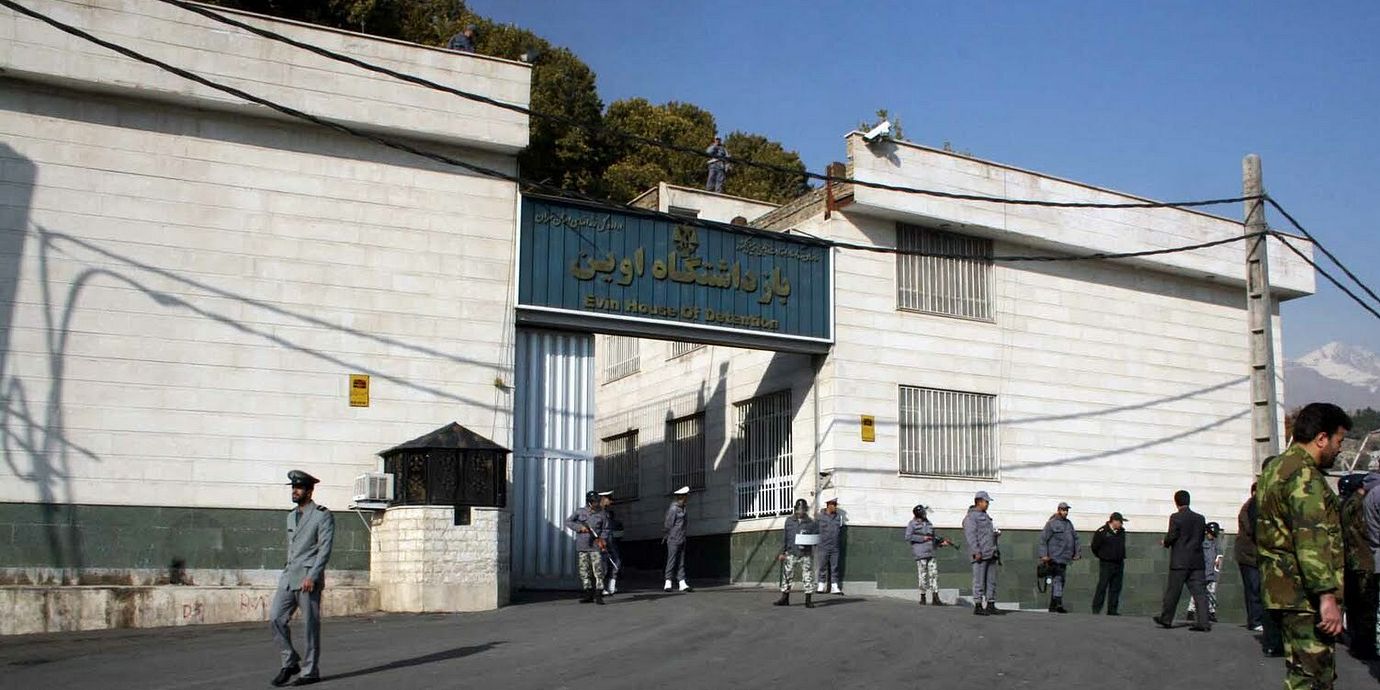
De skriver att enbart små brödbitar delats ut till fångarna och att den övriga tillgången till mat och grundläggande förnödenheter har strypts. På det ökända Evinfängelset uppger organisationen HRS att vakterna har låst in fångarna och sedan lämnat fängelset.
Det är på Evinfängelset som många politiska fångar sitter fängslade, däribland svensk-iranske forskaren Ahmadreza Djalali.
bakgrund
Evinfängelset
Wikipedia (en)
Evin Prison (Persian: زندان اوین, romanized: Zendân-e-Evin) is a prison located in the Evin neighborhood of Tehran, Iran. Established in 1972, and particularly notorious since the 1979 Islamic Revolution, it has become the Islamic Republic's most infamous detention facility. The prison serves as the primary site for incarcerating political prisoners, journalists, academics, human rights activists, dual nationals, and foreign citizens accused of espionage or propaganda offenses.
The prison has become internationally known for its systematic human rights abuses. Numerous reports document torture methods such as beatings, electric shocks, mock executions, prolonged solitary confinement, forced confessions, sleep deprivation, and sexual abuse. In recent years, cases such as the mistreatment of imprisoned scholar Mahvash Seydal have highlighted the regime's deliberate denial of medical care to female political prisoners as a form of punishment. A deadly fire in October 2022 further exposed the prison's chaotic conditions and the authorities' failure to protect detainees.
Evin Prison has become a symbol of the Islamic Republic's apparatus of repression, silencing dissent through fear, violence, and psychological terror. Often likened to 'Iran's Bastille,' it holds a special place in the political imagination of many Iranians, symbolizing the Islamic Republic's absolutist rule and intolerance of dissent. People have been detained in Evin Prison for reasons including political dissent, activism, alleged espionage, and religious beliefs, particularly those of religious minorities like the Baháʼí community and Christian converts. Several foreign nationals, including journalists such as Italian reporter Cecilia Sala, have been detained at Evin, often used as political leverage in Iran's international negotiations.
Evin Prison has been repeatedly condemned by international organizations including Amnesty International, Human Rights Watch, the UN Special Rapporteur, and Iranian human rights groups for the atrocities committed within its walls.
On 23 June 2025, Israeli airstrikes targeted the prison. According to Iranian media, activists and human rights groups, among the dead and injured were family members of prisoners, social workers, a lawyer, doctors and nurses, a 5-year-old child, teenage soldiers guarding the doors as part of their compulsory military service, administrative staff and residents of the area. The deaths of five prisoners who had been convicted of financial crimes and the escape of an "insignificant number of inmates" was later confirmed. The attack was the deadliest in the conflict. Surviving political prisoners were transferred to other prisons.
Omni är politiskt obundna och oberoende. Vi strävar efter att ge fler perspektiv på nyheterna. Har du frågor eller synpunkter kring vår rapportering? Kontakta redaktionen