Kina lättar på börsbegränsningar
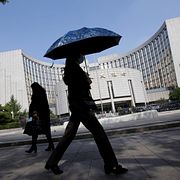
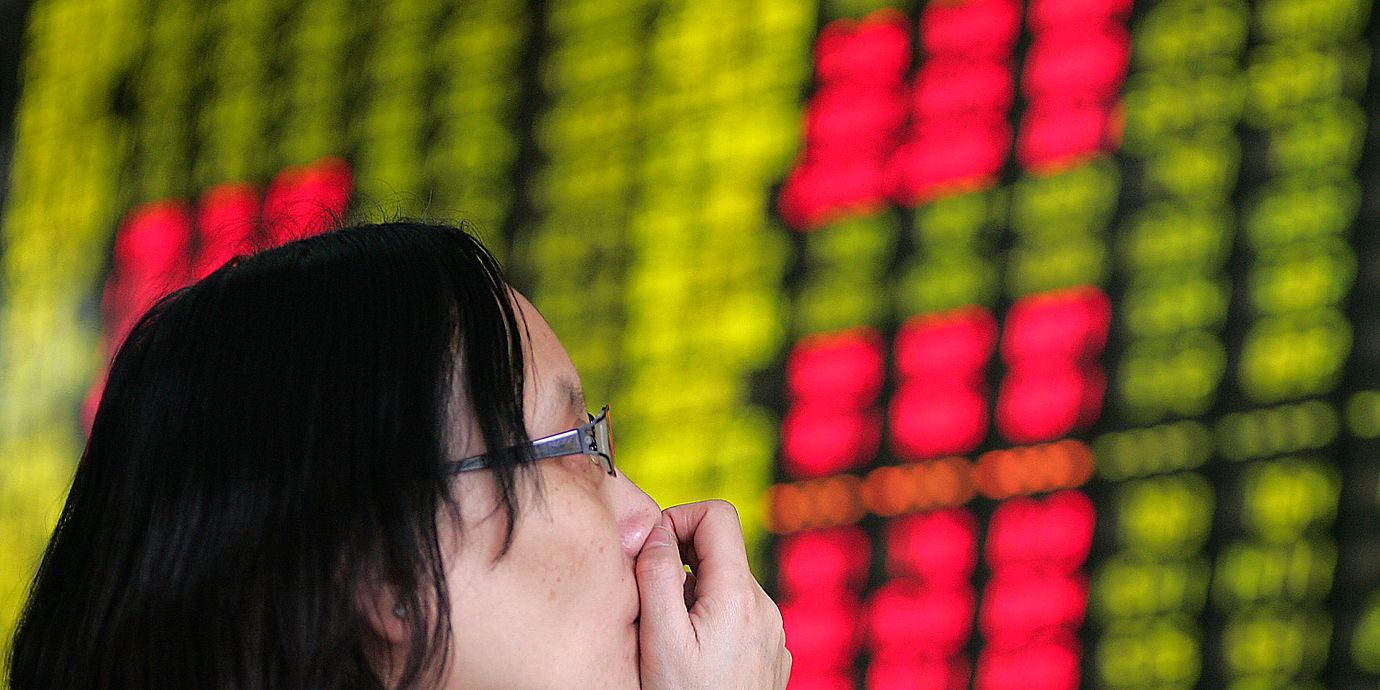
Efter turbulensen på den kinesiska börsen under 2015 infördes hårda begränsningar för handeln med indexoptioner. Bland annat sattes gränser för tillåtna transaktionsvolymer och priser för handeln. Nu meddelar China Financial Futures Exchange att den sänker provisionerna och dubblar taket för hur stora nya positioner investerarna tillåts ta.
bakgrund
Oron på Kinas finansmarknad 2015–16
Wikipedia (en)
The Chinese stock market turbulence began with the popping of the stock market bubble on 12 June 2015 and ended in early February 2016. A third of the value of A-shares on the Shanghai Stock Exchange was lost within one month of the event. Major aftershocks occurred around 27 July and 24 August's "Black Monday". By 8–9 July 2015, the Shanghai stock market had fallen 30 percent over three weeks as 1,400 companies, or more than half listed, filed for a trading halt in an attempt to prevent further losses. Values of Chinese stock markets continued to drop despite efforts by the government to reduce the fall. After three stable weeks the Shanghai index fell again on 24 August by 8.48 percent, marking the largest fall since 2007.
At the October 2015 International Monetary Fund (IMF) annual meeting of "finance ministers and central bankers from the Washington-based lender’s 188 member-countries" held in Peru, China's slump dominated discussions with participants asking if "China’s economic downturn [would] trigger a new financial crisis."
By the end of December 2015 China's stock market had recovered from the shocks and had outperformed S&P for 2015, though still well below the 12 June highs. By the end of 2015 the Shanghai Composite Index was up 12.6 percent. In January 2016 the Chinese stock market experienced a steep sell-off and trading was halted on 4 and 7 January 2016 after the market fell 7%, the latter within 30 minutes of open. The market meltdown set off a global rout in early 2016.
According to 19 January 2016 articles in the Xinhua News Agency, the official press agency of the People's Republic of China, China reported a 6.9 percent GDP growth rate for 2015 and an "economic volume of over ten trillion U.S. dollars". Forbes journalist argues that the "stock market crash does not indicate a blowout of the Chinese physical economy." China is shifting from a focus on manufacturing to service industries and while it has slowed down, it is still growing by 5%. After this last turbulence, as of January 2017 the Shanghai Composite Index has been stable around 3,000 points, 50% more than before the bubble.
Omni är politiskt obundna och oberoende. Vi strävar efter att ge fler perspektiv på nyheterna. Har du frågor eller synpunkter kring vår rapportering? Kontakta redaktionen