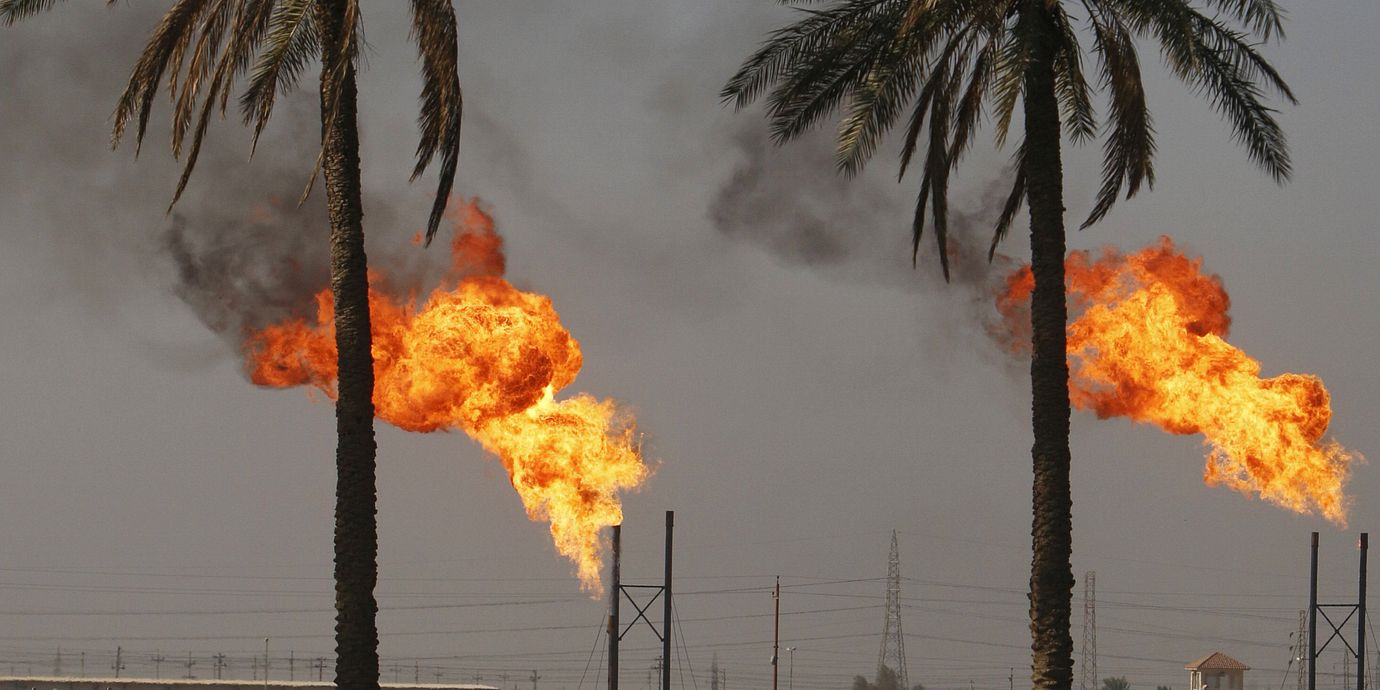
Opec blundar för att efterfrågan på olja kan sina
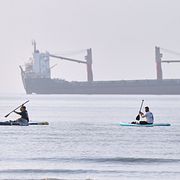
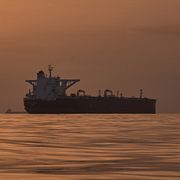
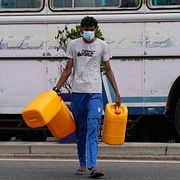
Om förnybar energi och elektriska bilar fortsätter att göra framsteg kommer det oljebehovet att nå sin topp 2030 och sjunka därefter, enligt en rapport från Världsenergirådet. Sett i ljuset av den förväntade utvecklingen blir Opecs beslut att strypa oljeproduktionen för att pressa upp priserna märkligt, skriver Bloomberg.
När det senaste beslutet om produktionsminskning fattades 2008 präglades marknaden av rädslan att oljan skulle ta slut och beslutet var rationellt rent ekonomiskt. Länderna såg ju ut att få betalt för innehållet i sina oljereserver. Nu växer i stället sannolikheten att resurserna inte kommer att efterfrågas på sikt, skriver Bloomberg.
bakgrund
Världsenergirådet
Wikipedia (en)
The World Energy Council is a global and inclusive forum for thought-leadership and tangible engagement with headquarters in London. Its mission is 'To promote the sustainable supply and use of energy for the greatest benefit of all people'.
The idea for the foundation of the Council came from Daniel Nicol Dunlop in the 1920s. He wanted to gather experts from all around the world to discuss current and future energy issues. He organised in 1923 first national committees, which organised the first World Power Conference (WPC) in 1924. 1700 experts from 40 countries met in London to discuss energy issues. The meeting was a success and the participants decided on July 11, 1924 to establish a permanent organisation named World Power Conference. Dunlop was elected as its first Secretary General. In 1968 the name was changed to World Energy Conference and in 1992 it became the World Energy Council.
The World Energy Council is the principal impartial network of leaders and practitioners promoting an affordable, stable and environmentally sensitive energy system for the greatest benefit of all. Formed in 1923, the Council is the UN-accredited global energy body, representing the entire energy spectrum, with more than 3000 member organisations located in over 90 countries and drawn from governments, private and state corporations, academia, NGOs and energy-related stakeholders. The World Energy Council informs global, regional and national energy strategies by hosting high-level events, publishing authoritative studies, and working through its extensive member network to facilitate the world’s energy policy dialogue. Today, the Council has Member Committees established in over 90 countries, which represent over 3000 member organizations including governments, industry and expert institutions. The World Energy Council covers all energy resources and technologies of energy supply and demand.
The World Energy Council hosts the World Energy Congress, which is the world’s largest and most influential energy event covering all aspects of the energy agenda. Staged every three years, the Congress provides a platform for energy leaders and experts in all aspects of the sector to address the challenges and opportunities facing suppliers and consumers of energy.
The World Energy Council's publications include an annual country-by-country Energy and Climate Policy Assessment, the Survey of Energy Resources. [1]
Omni är politiskt obundna och oberoende. Vi strävar efter att ge fler perspektiv på nyheterna. Har du frågor eller synpunkter kring vår rapportering? Kontakta redaktionen