Rädd för vatten – deltar ändå i räddningsarbetet
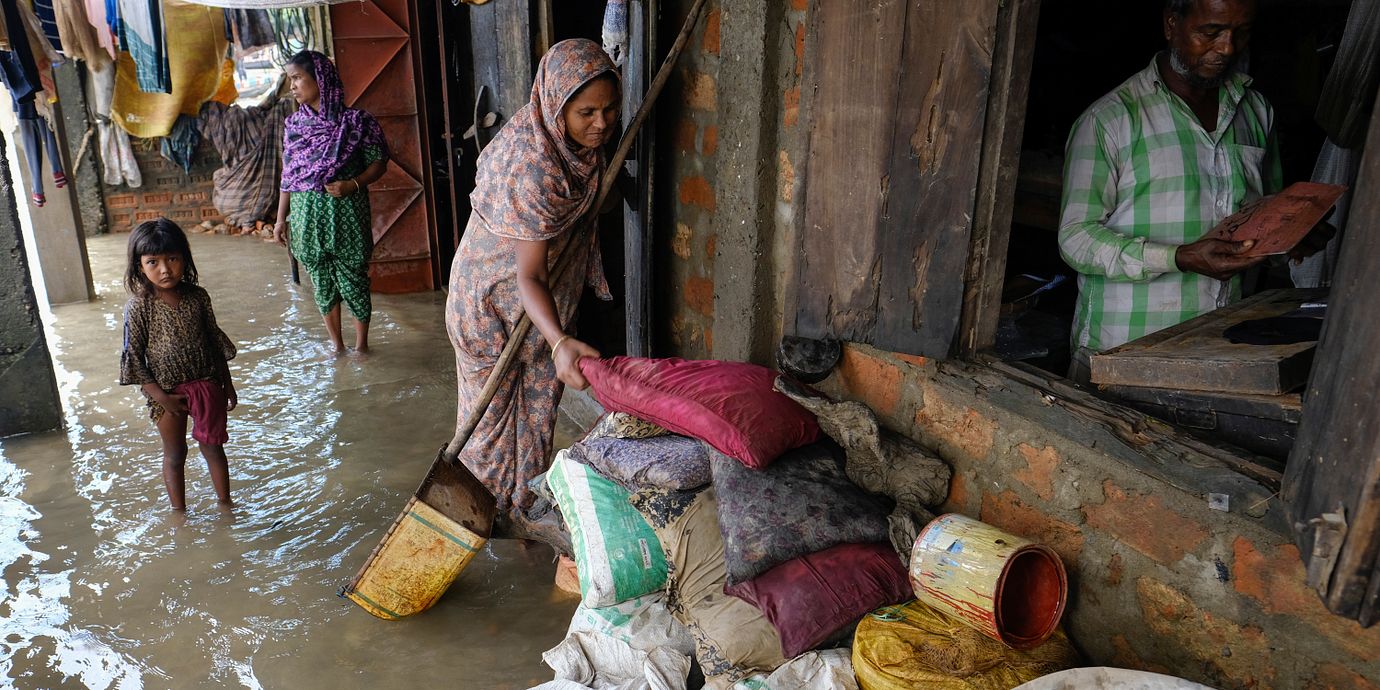
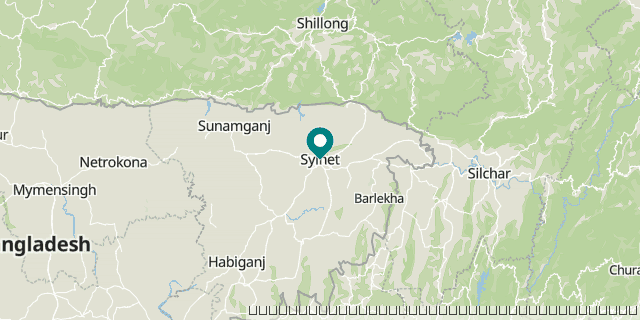
Amina Ahmed, 24 år, är en av de frivilliga som deltar i räddningsarbetet efter översvämningarna i Sylhet i nordöstra Bangladesh, trots att hon har varit rädd för vatten och översvämningar sedan hon var liten och inte kan simma.
– Jag hjälper drabbade kvinnor eftersom jag förstår problemen som de möter därför att de är kvinnor, säger Amina till The Guardian.
Hon har åkt ut i båt för att evakuera människor till tillfälliga skyddsboenden. Där finns ingenstans att byta om, tvätta sig eller slänga mensskydd, berättar hon för The Guardian. Samma bild ger Relief Web, som också skriver att det saknas separata utrymmen för kvinnor och att kvinnor och bran riskerar undernäring när de förlorar sin försörning och inte alltid nås av nödhjälp.
bakgrund
Översvämningarna sker under monsunsäsongen från juni till september
Wikipedia (en)
Bangladesh is a land of many rivers, and as a result it is very prone to flooding due to being situated on the Brahmaputra River Delta (also known as the Ganges Delta) and the many distributaries flowing into the Bay of Bengal. Due to being part of such a basin and being less than 5 meters above mean sea level, Bangladesh faces the cumulative effects of floods due to water flashing from nearby hills, the accumulation of the inflow of water from upstream catchments, and locally heavy rainfall enhanced by drainage congestion. Bangladesh faces this problem almost every year. Coastal flooding, combined with the bursting of river banks is common, and severely affects the landscape and society of Bangladesh. 80% of Bangladesh is floodplain, and it has an extensive sea coastline, rendering the nation very much at risk of periodic widespread damage. Whilst more permanent defenses, strengthened with reinforced concrete, are being built, many embankments are composed purely of soil and turf and made by local farmers. Flooding normally occurs during the monsoon season from June to September. The convectional rainfall of the monsoon is added to by relief rainfall caused by the Himalayas. Meltwater from the Himalayas is also a significant input.
Each year in Bangladesh about 26,000 square kilometres (10,000 sq mi) (around 18% of the country) is flooded, killing over 5,000 people and destroying more than seven million homes. During severe floods the affected area may exceed 75% of the country, as was seen in 1998. This volume is 95% of the total annual inflow. By comparison, only about 187 trillion l (1.87×10¹¹ m3; 6.6×10¹² cu ft) of streamflow is generated by rainfall inside the country during the same period. The floods have caused devastation in Bangladesh throughout history, especially in 1951, 1987, 1988 and 1998. The 2007 South Asian floods also affected a large portion of Bangladesh.
Sylhet, Bangladesh
Omni är politiskt obundna och oberoende. Vi strävar efter att ge fler perspektiv på nyheterna. Har du frågor eller synpunkter kring vår rapportering? Kontakta redaktionen