USA-svepet: Expertmage tror på Trump • Rekord i röster • 911-samtal släppta

Donald Trump förs bort av Secret service. (Gene J. Puskar / AP)

Los Angeles Times ledarredaktör avgår i protest, statistikgurun Nate Silver har en magkänsla och larmsamtalen från mordförsöket på Donald Trump har släppts.

Här är dagens USA-svep.

Om USA-svepet

I Omnis USA-svep hittar du aktuella nyheter, snackisar och tips på fördjupning om valet. Det publiceras dagligen under valrörelsens mest intensiva dagar.

Nate Silver, arkivbild. (Tanya Moutzalias / AP)

Statistikgurun: Min magkänsla säger Trump

Nate Silver, statistikguru och grundare av opinionssajten 538, tror att Donald Trump vinner valet om knappt två veckor.

– Min magkänsla säger Donald Trump. Och min gissning är att det är samma för många oroliga demokrater, säger han enligt The Hill.

Silver säger samtidigt att man inte bör lita på någons magkänsla – inte heller hans – utan i stället titta på de faktiska opinionsmätningarna.

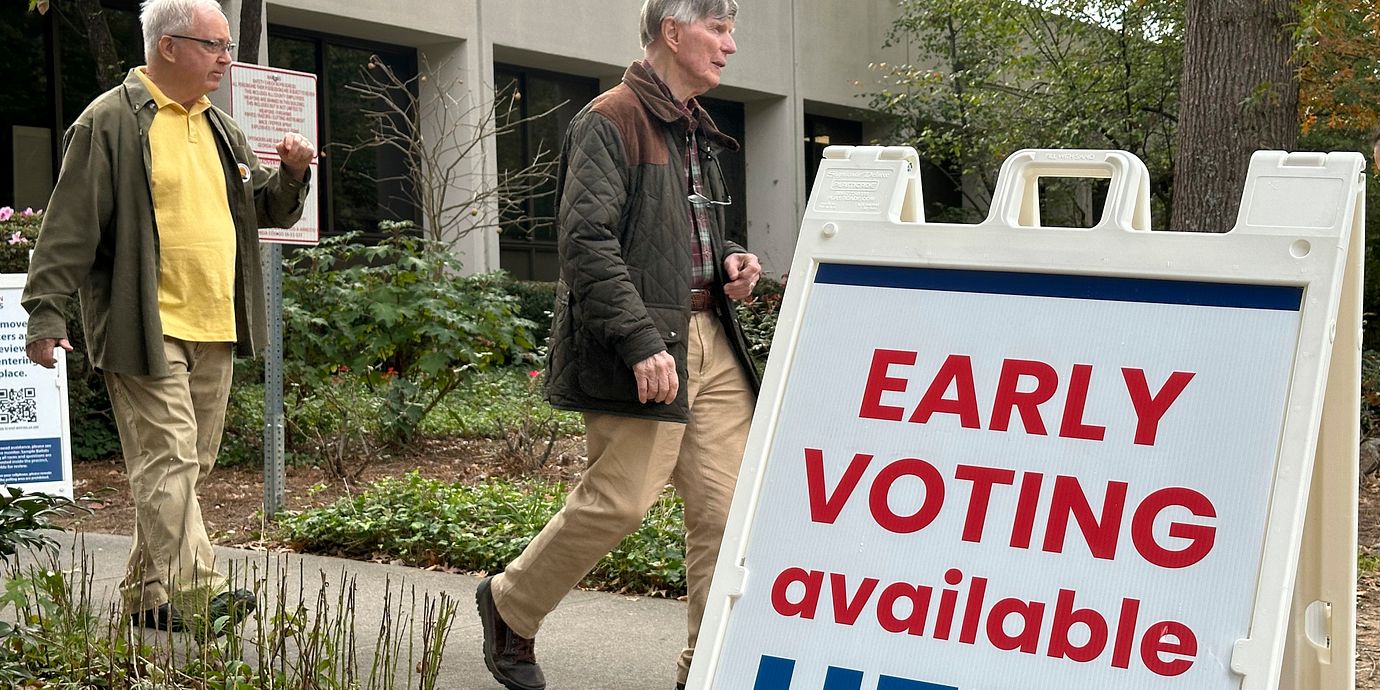
Väljare vid en vallokal i Sandy Springs utanför Atlanta, Georgia. (Jeff Amy / AP)

Rekordmånga har förtidsröstat

Nästan 25 miljoner amerikaner har förtidsröstat hittills, vilket motsvarar ungefär en tiondel av alla röstberättigade nationellt, skriver Reuters.

För flera delstater innebär det nytt rekord så här tidigt i processen, bland annat i vågmästarstaterna Georgia och North Carolina.

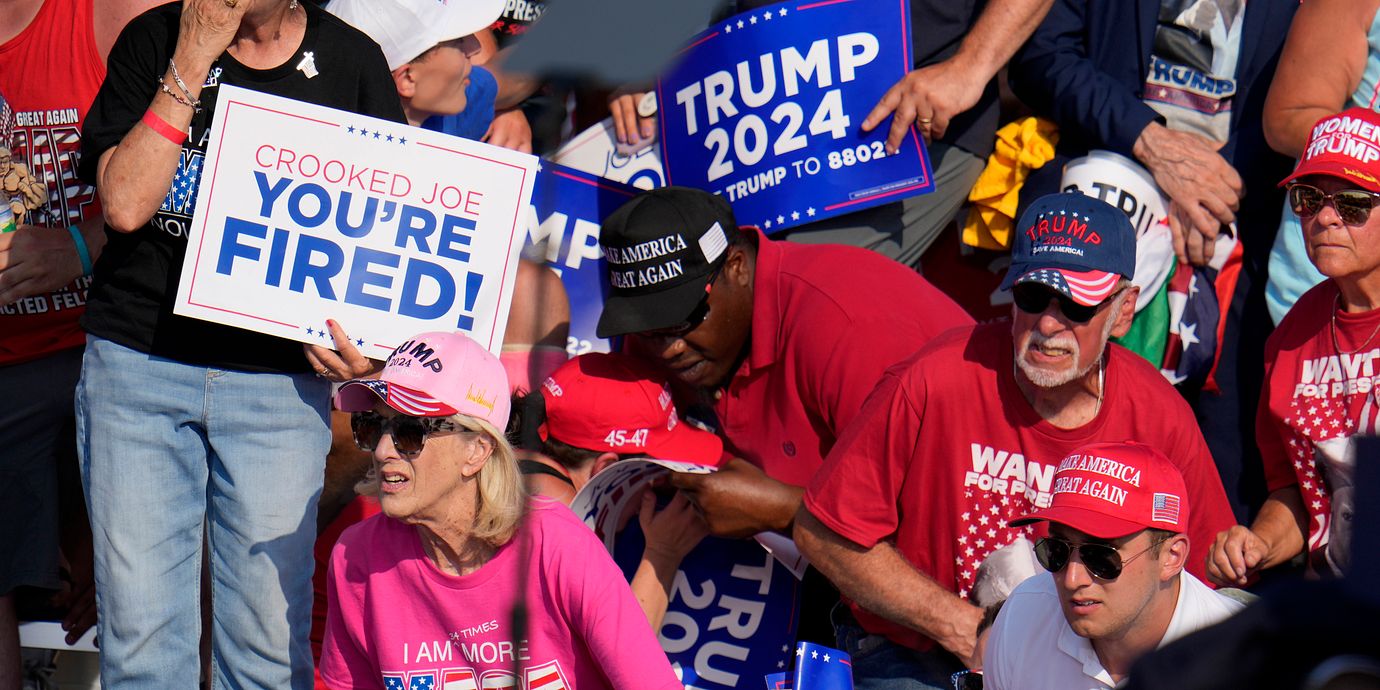
Människor i publiken hukar sig för skott i Butler i juli. (Gene J. Puskar / AP)

Larmsamtal från Butler släppta

15 inspelningar av larmsamtalen i samband med mordförsöket på Donald Trump i Butler i somras har offentliggjorts.

– De försökte nyss döda president Trump, säger en inringare.

– Ni måste komma fort! säger en annan.

Enligt ABC hörs ljudet av kaos i bakgrunden i flera av samtalen. Trump klarade sig med en skottskada i örat. En man i publiken samt skytten dog.

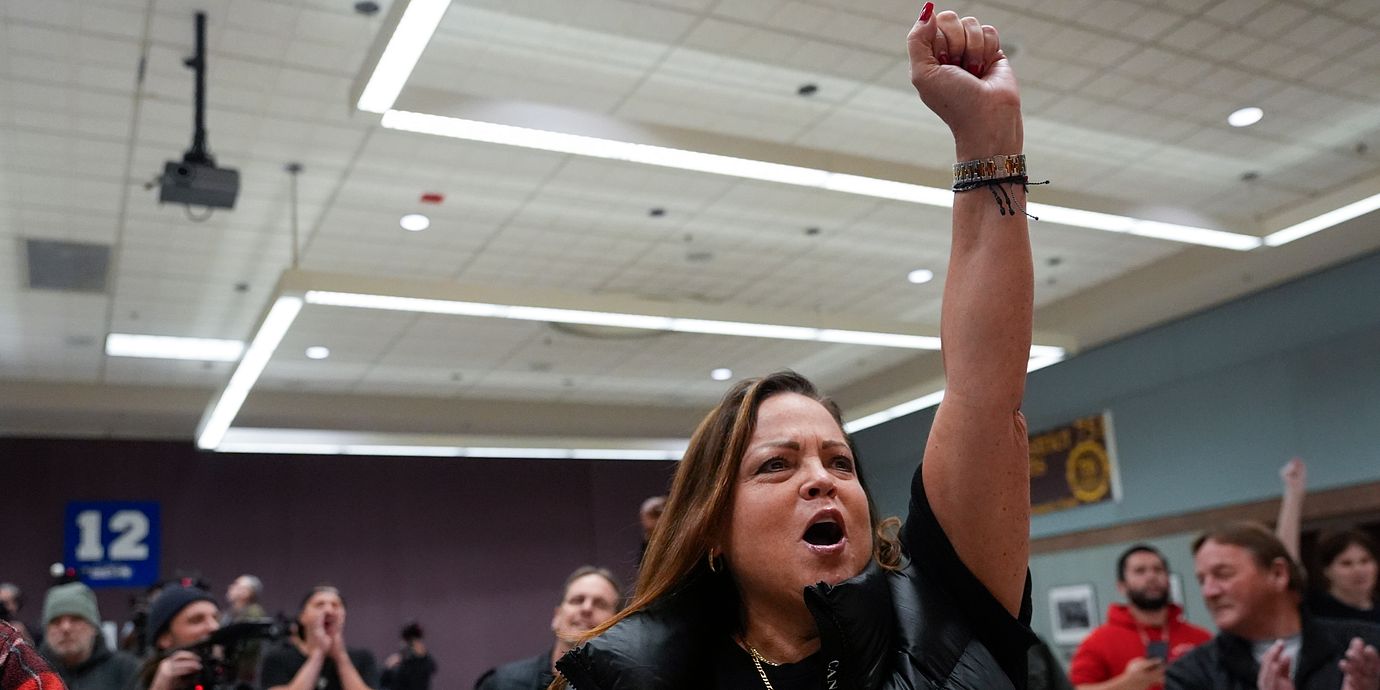
(Lindsey Wasson / AP)

Boeing-anställda Gina Forbush reagerar på att fackmedlemmarna röstat nej till arbetsgivarens bud – och strejken fortsätter.

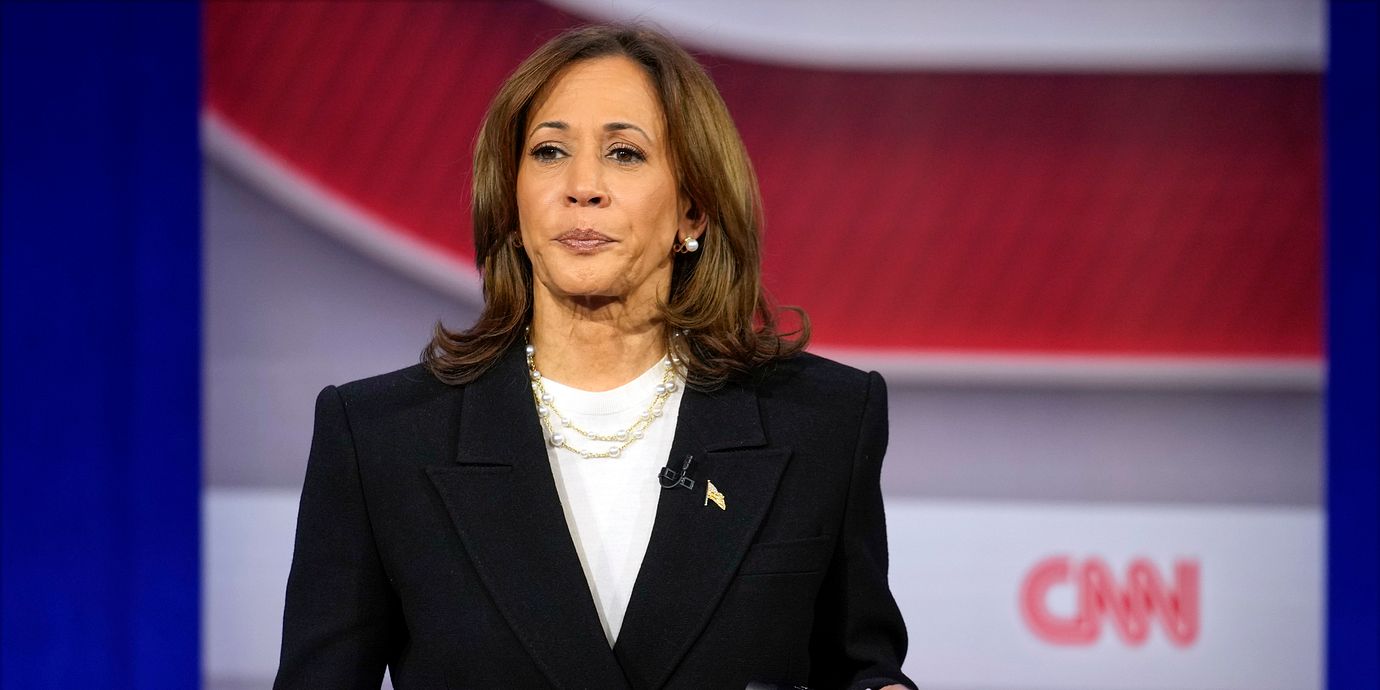
Kamala Harris. (Matt Rourke / AP)

Strateg: Harris fascist-utspel är taktik

Den senaste tiden har Kamala Harris steppat upp sina verbala attacker mot Donald Trump, bland annat genom att kalla honom fascist.

Politiska strategen Matt Bennett säger att allt Harris gör nu är taktik.

– Hennes strategi för att vinna är att locka missnöjda republikaner – personer som helt enkelt känner att de inte kan rösta på Trump igen, säger Bennett till BBC.

Los Angeles Times. (Damian Dovarganes / AP)

LA Times ledarredaktör lämnar i protest

Los Angeles Times politiska redaktör Mariel Garza har sagt upp sig från tidningen efter att ägaren stoppat ledarredaktionen från att ta ställning för Demokraternas Kamala Harris.

– Jag vill göra det tydligt att jag inte är okej med att vi är tysta. I farliga tider måste ärliga människor stå fast. Detta är mitt sätt att göra det, säger hon till Columbia Journalism Review.

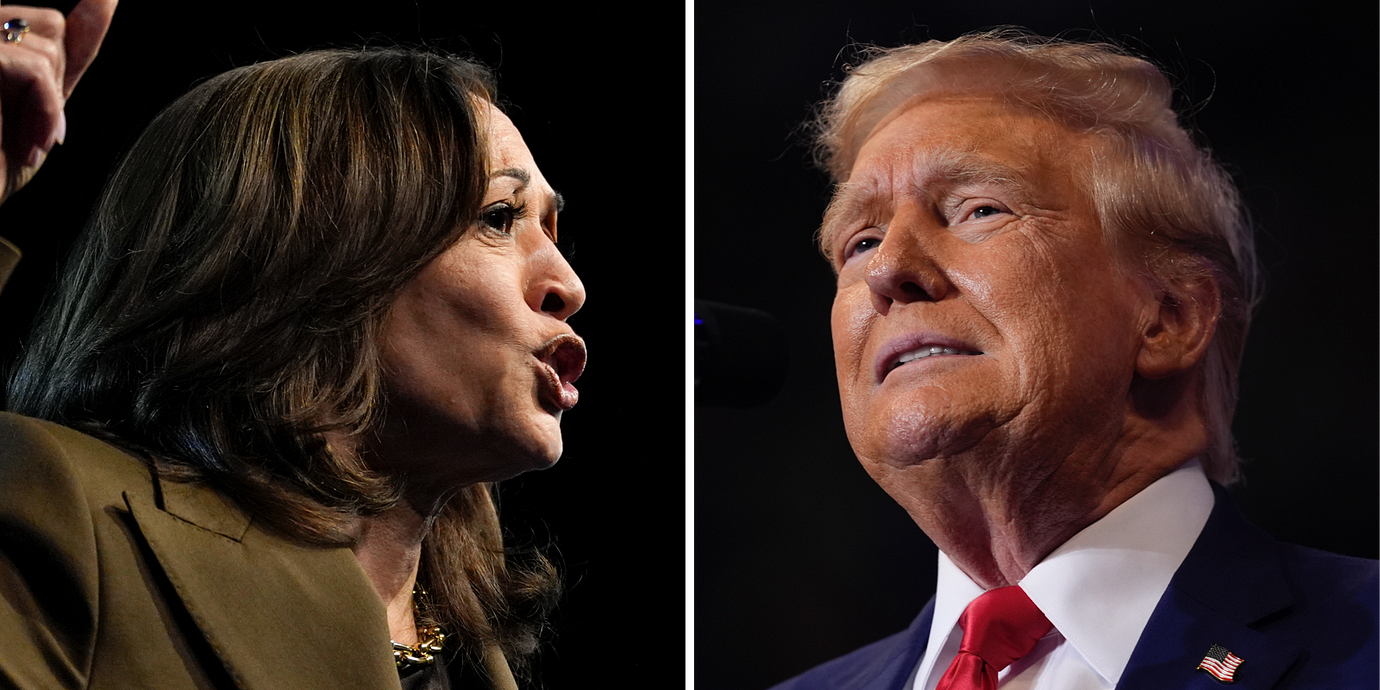
Kamala Harris och Donald Trump. (TT)

Vad gör kandidaterna?

Båda presidentkandidaterna fortsätter turnera i vågmästarstaterna för att övertyga de väljare som ännu inte bestämt sig. På torsdagen och natten mot fredag kampanjar Kamala Harris i Clarkston, Georgia. Donald Trump ska i stället till Las Vegas där han ansluter till ”United for Change-rallyt”.

Vad säger opinionen?

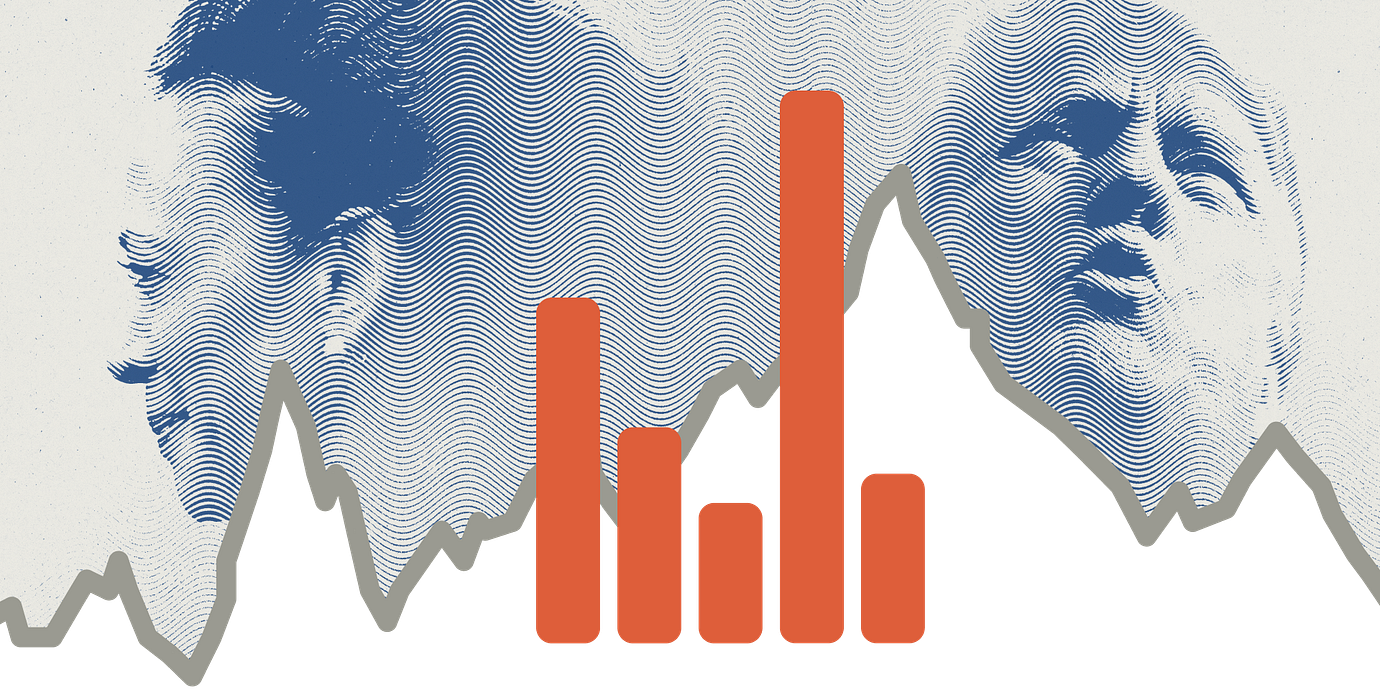
Illustrationsbild. (Grafik, Omni)

Kamala Harris försprång i opinionen minskar på nationell nivå och Donald Trump har fortsatt övertag i samtliga sju vågmästarstater. Det framgår av Real Clear Politics sammanvägning av opinionsläget.

Samtidigt är marginalerna extremt små och vad som helst kan hända.

Omni har samlat siffrorna som avgör valet. Följ opinionsläget nedan.

Mer om valet

bakgrund
 
Så fungerar elektorsystemet i USA
Wikipedia (en)
In the United States, the Electoral College is the group of presidential electors that is formed every four years during the presidential election for the sole purpose of voting for the president and vice president. The process is described in Article II of the U.S. Constitution. The number of electoral votes a state has equals its number of Senators (2) plus its number of Representatives in the House of Representatives, the latter being dependent on the Census's reported population. Each state appoints electors using legal procedures determined by its legislature, equal in number to its congressional delegation (representatives and 2 senators) totaling 535 electors in the 50 states. The Twenty-third Amendment from 1961 granted the federal District of Columbia three electors, bringing the total number of electors to 538. Federal office holders, including senators and representatives, cannot be electors. Of the current 538 electors, a simple majority of 270 or more electoral votes is required to elect the president and vice president. If no candidate achieves a majority there, a contingent election is held by the House of Representatives to elect the president and by the Senate to elect the vice president. The states and the District of Columbia hold a statewide or district-wide popular vote on Election Day in November to choose electors based upon how they have pledged to vote for president and vice president, with some state laws prohibiting faithless electors. All states except Maine and Nebraska use a party block voting, or general ticket method, to choose their electors, meaning all their electors go to one winning ticket. Maine and Nebraska choose one elector per congressional district and two electors for the ticket with the highest statewide vote. The electors meet and vote in December, and the inaugurations of the president and vice president take place in January. The merit of the electoral college system has been a matter of ongoing debate in the United States since its inception at the Constitutional Convention in 1787, becoming more controversial by the latter years of the 19th century, up to the present day. More resolutions have been submitted to amend the Electoral College mechanism than any other part of the constitution, with 1969–70 as the closest attempt to reform the Electoral College. Supporters argue that it requires presidential candidates to have broad appeal across the country to win, while critics argue that it is not representative of the popular will of the nation. Winner-take-all systems, especially with representation not proportional to population, do not align with the principle of "one person, one vote". Critics object to the inequity that, due to the distribution of electors, individual citizens in states with smaller populations have more voting power than those in larger states. Because the number of electors each state appoints is equal to the size of its congressional delegation, each state is entitled to at least three electors regardless of its population, and the apportionment of the statutorily fixed number of the rest is only roughly proportional. This allocation has contributed to runners-up of the nationwide popular vote being elected president in 1824, 1876, 1888, 2000, and 2016. In addition, faithless electors may not vote in accord with their pledge. A further objection is that swing states receive the most attention from candidates. By the end of the 20th century, electoral colleges had been abandoned by all other democracies around the world in favor of direct elections for an executive president.:215

Gå förbi betalväggar!

Omni Mer låser upp en mängd artiklar. En smidig lösning när du vill fördjupa dig.

Omni är politiskt obundna och oberoende. Vi strävar efter att ge fler perspektiv på nyheterna. Har du frågor eller synpunkter kring vår rapportering? Kontakta redaktionen