USA-svepet: Kycklingbettet en groda • Trump kokade på mick • Ron fick jättecheck

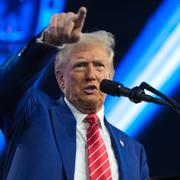
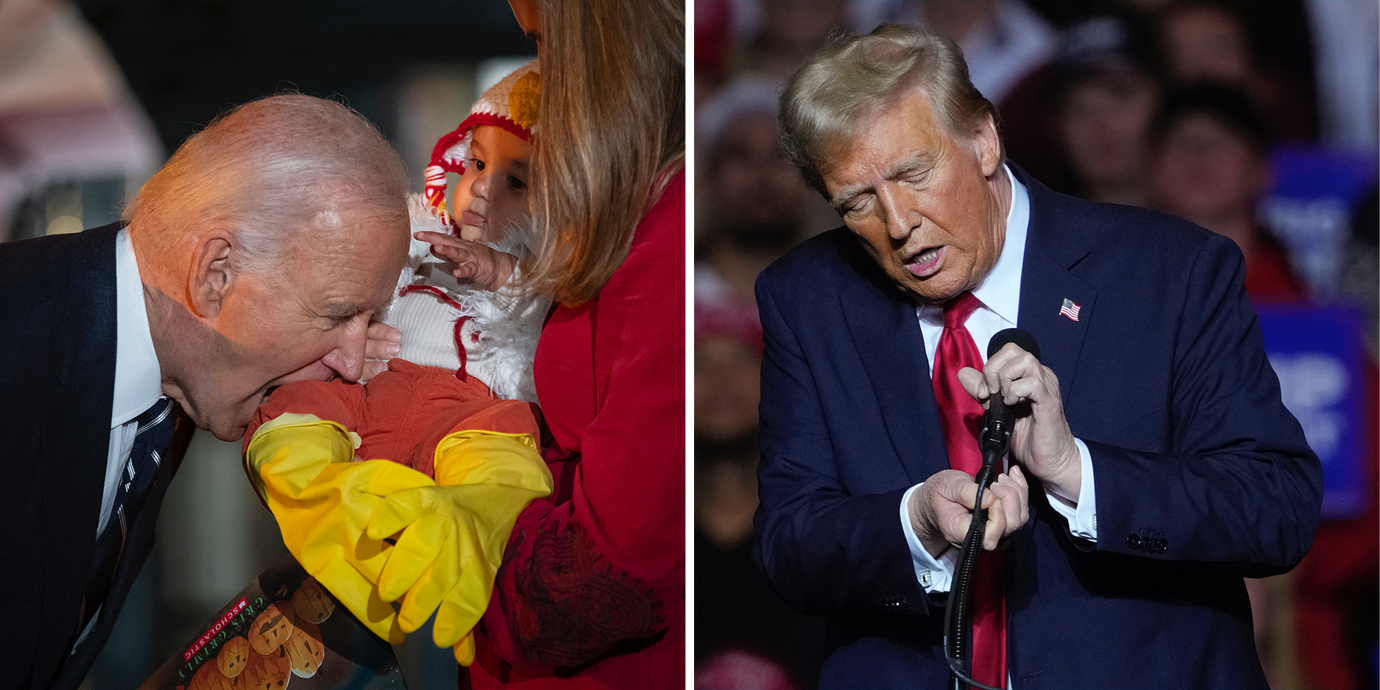
Joe Biden under halloweenfirandet och Donald Trump med sin mikrofon i natt. (TT)

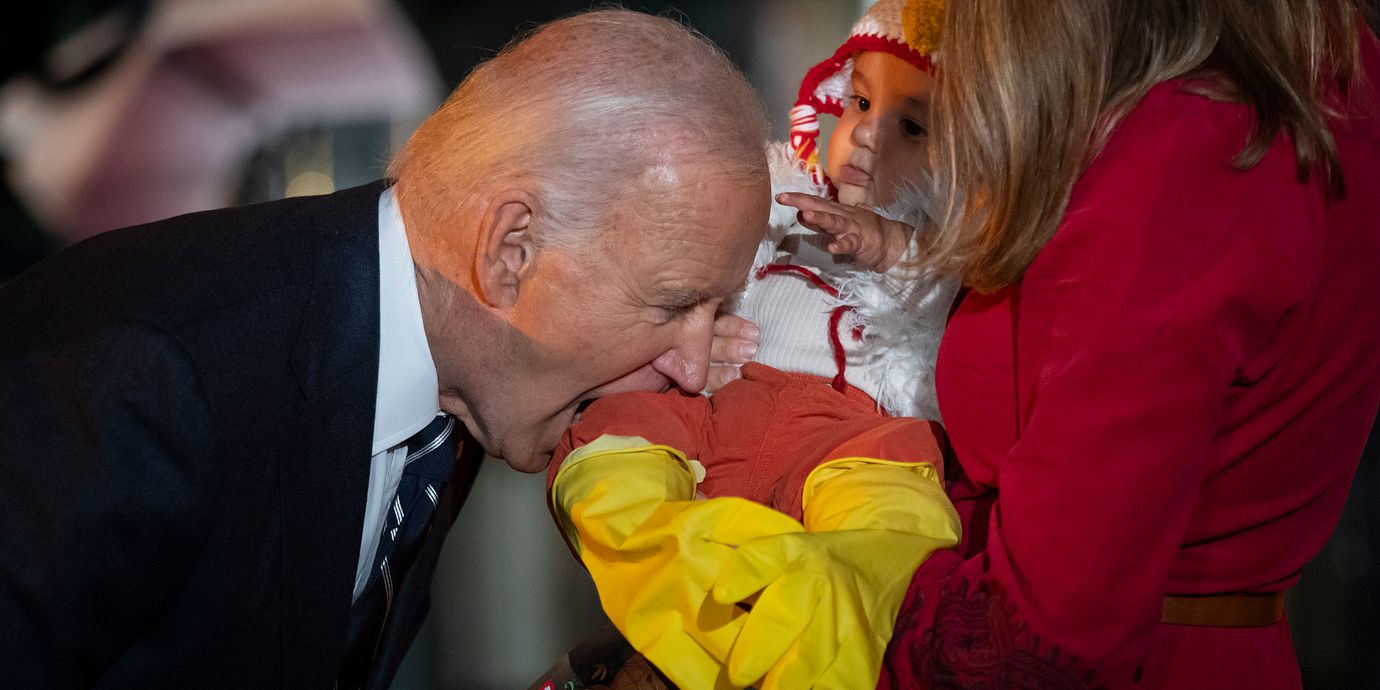
Donald Trump kom inte överens med sin mikrofon i natt och Joe Bidens halloweenbus har blivit viralt.

Här är dagens USA-svep.

Om USA-svepet

I Omnis USA-svep hittar du aktuella nyheter, snackisar och tips på fördjupning om valet. Det publiceras dagligen under valrörelsens mest intensiva dagar.

Se Trumps raseri här

Mikrofonproblem fick Trump att koka

Under sitt kampanjmöte i natt ägnade Donald Trump flera minuter åt att, med både humor och allvar, klaga på mikrofonen.

– Jag blir så arg. Jag står här uppe och kokar. Jag kokar. Jag sliter som ett djur med den här dumma mikrofonen, sa Trump och fortsatte:

– Allt jag ber om – jag bryr mig inte om ljussättning, jag bryr mig inte om manusskärmen för jag läser inte den jäkla saken ändå, förresten, är det inte bra att ha en president som inte behöver en manusskärm? – men jag ber inte om mycket, jag ber inte om mycket, det enda jag bryr mig om är en bra mikrofon.

Även publiken engagerade sig.

– Fix the mic! Fix the mic! skanderade publiken.

Bilden som har fått mycket spridning. (Ben Curtis / AP)

Bidens halloweenbild blir viral

Att president Joe Bidens skämtsamt bet en bebis utklädd till kyckling på halloween har fått stor spridning och hånats på sociala medier. Det skriver Roll Call, som konstaterar att Biden har en lång karriär av felsägningar och vissa märkliga framträdanden.

– Varför är vi chockade? Han har alltid varit benägen till sådant här. Det är den största anledningen till att han inte är presidentkandidat, säger Barbara Perry vid University of Virginia.

Roll Call konstaterar att Biden straffas hårt för sina grodor, medan Donald Trump ofta tar sig ur sina.

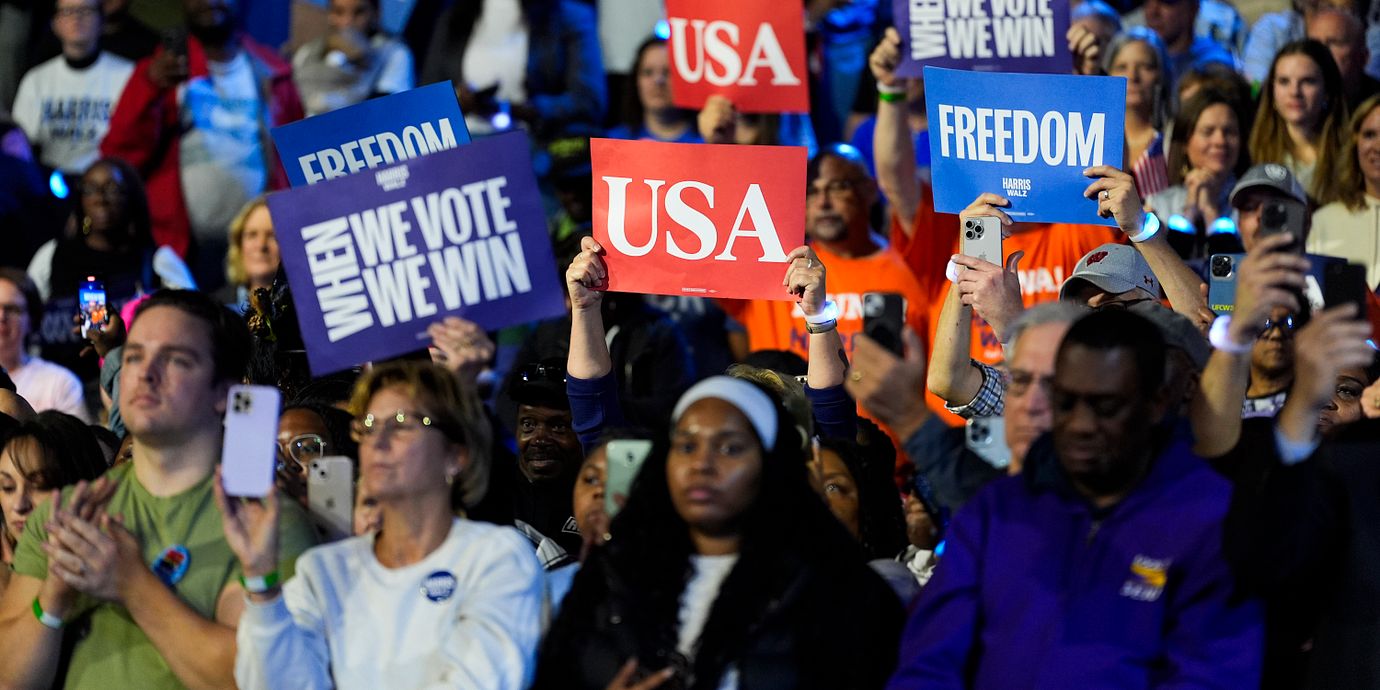
Harris-supportrar. (Jacquelyn Martin / AP)

Spelar politisk reklam någon roll?

I en längre essä i New Yorker frågar sig Vinson Cunningham hur stor roll politisk reklam egentligen spelar i amerikanska presidentval. Han skärskådar de olika kampanjernas strategier, som är noga uttänkta, men konstaterar att det händer så mycket att det är svårt för reklammakarna i den här valrörelsen.

”För mycket händer. Ingen reklamare i världen kan förväntas hänga med i detta vattenfall av händelser.”

Se en prisutdelning här

Ron Conwell fick en miljon dollar av Musk

Ron Conwell från Michigan blev den senaste personen att få en miljon dollar av Elon Musks i hans dagliga pengaregn.

– Om du inte kan se att Republikanerna gör allt man kan för att se till att detta land frodas så tror jag bara att du är oinformerad, säger han.

NBC har undersökt alla 14 vinnare och kommit fram till att ingen av dem har uttryckt stöd för Demokraterna. Elon Musk har sagt att det inte spelar någon roll vilket parti man stöttar. En förklaring till snedvridningen kan dock vara att republikanska väljare är mer benägna att ställa upp på tävlingens premisser, eftersom de delvis går ut på att tycka som Musk.

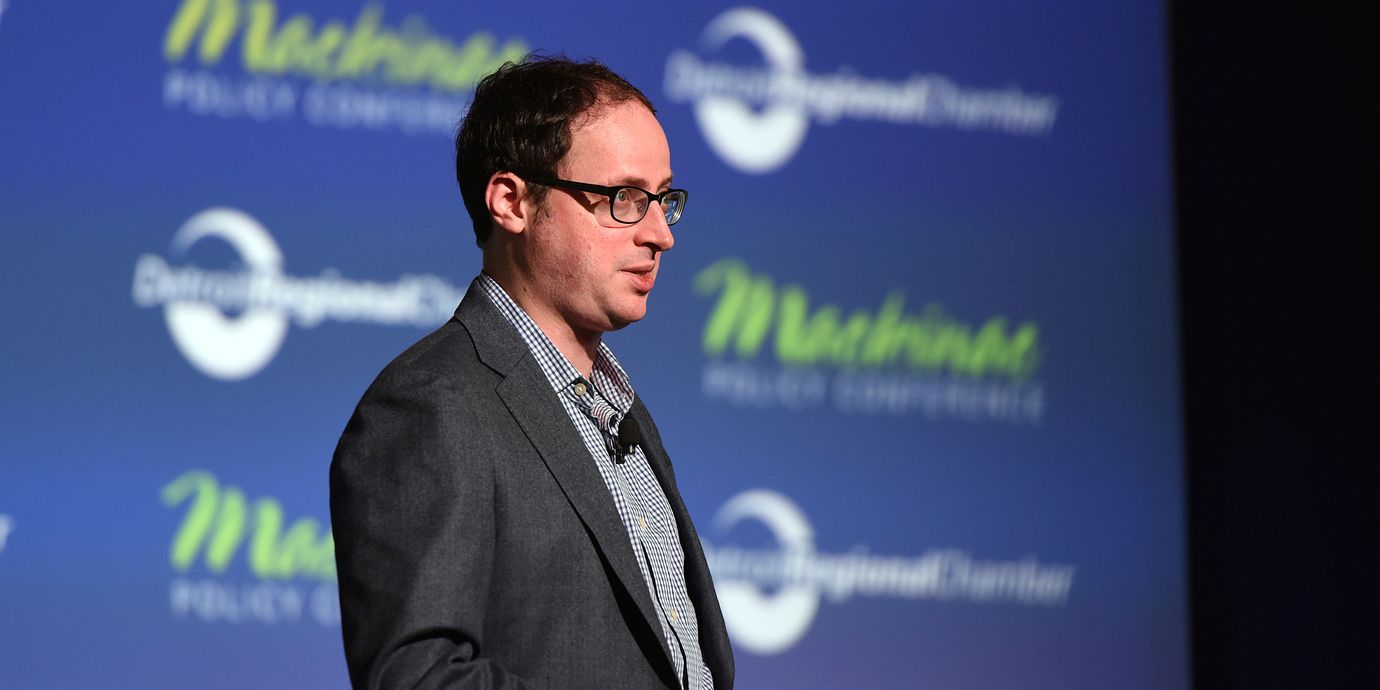
Nate Silver 2015. (Tanya Moutzalias / AP)

Statistikgurun bråkar med bloggare

Och så till sist en nyhet för finsmakarna. Bloggaren och medieprofilen Markos Moulitsas anklagade statistikgurun Nate Silver för att hans ”data är skräp”. Det skulle han inte ha gjort.

I en rasande tweet svarar Silver, som har gjort sig känd för sina prognoser om USA-val, att han är mycket skicklig.

”Jag är inte riktigt säker på vad din stil egentligen handlar om vid det här laget, Markos. Men den enda gången du försökte göra en valprognos var den extremt inkompetent”, skriver Silver.

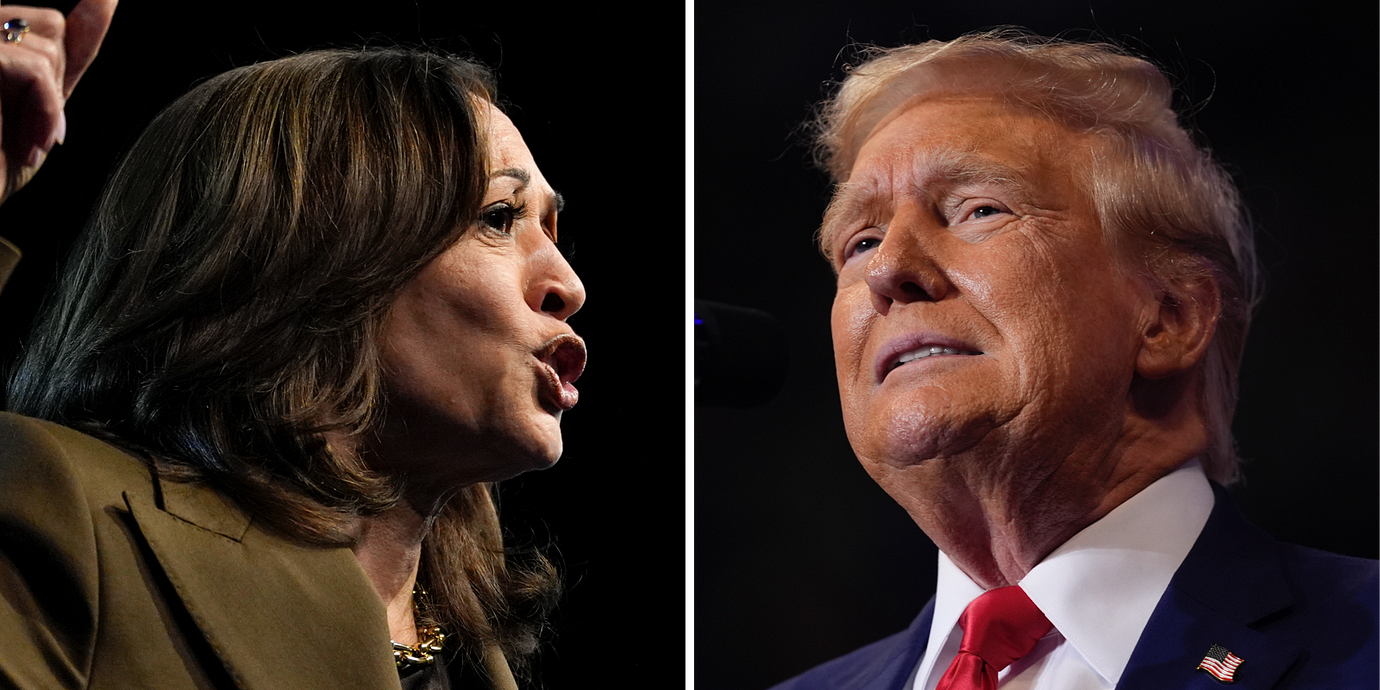
Kamala Harris och Donald Trump. (TT)

Vad gör kandidaterna?

Det är full fokus på vågmästarstaterna för presidentkandidaterna. I natt talade båda i vågmästarstaten Wisconsins största distrikt Milwaukee – knappt en mil ifrån varandra

Vad säger opinionen?

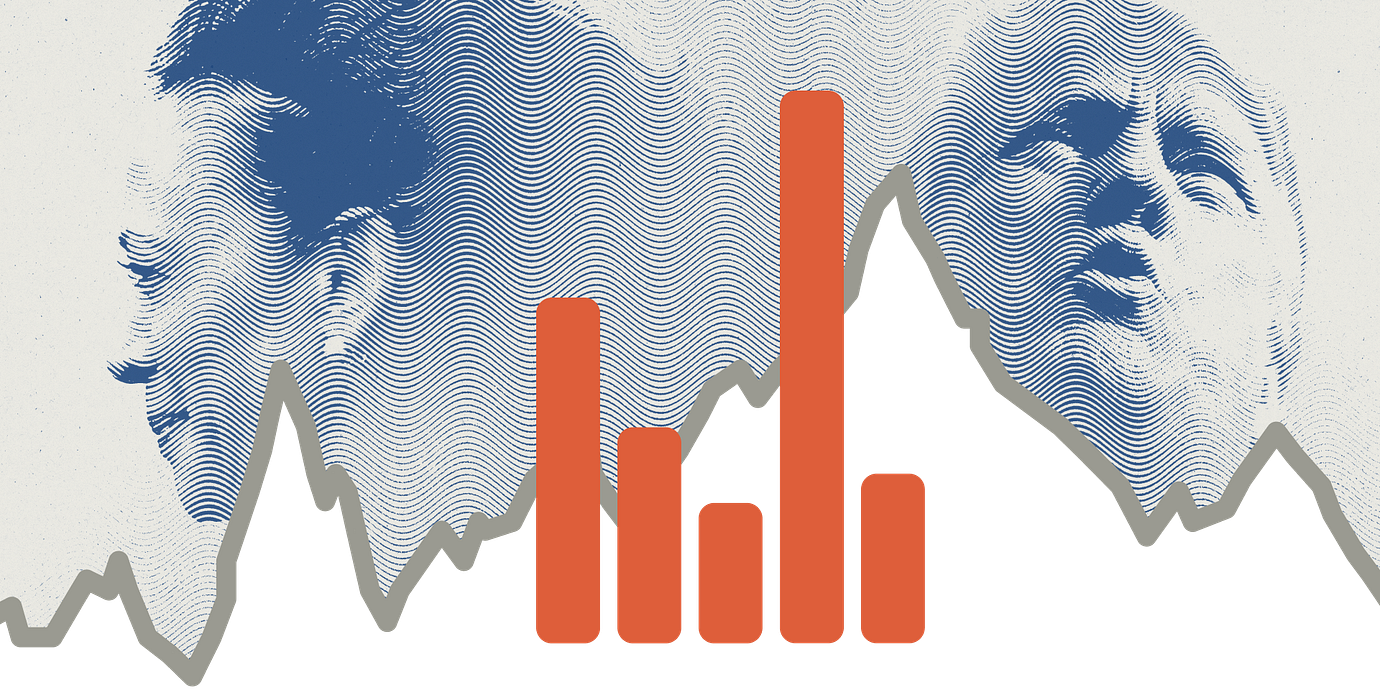
Illustrationsbild. (Grafik, Omni)

Med tre dagar kvar till presidentvalet leder Donald Trump i fem av sju vågmästarstater och skulle därmed vinna om utfallet blev som enligt Real Clear Politics sammanvägning. Men det är ytterst jämnt.

Omni har samlat siffrorna som avgör valet. Följ opinionsläget nedan.

Mer om valet

bakgrund
 
Så fungerar elektorsystemet i USA
Wikipedia (en)
In the United States, the Electoral College is the group of presidential electors that is formed every four years during the presidential election for the sole purpose of voting for the president and vice president. The process is described in Article II of the U.S. Constitution. The number of electoral votes a state has equals its number of Senators (2) plus its number of Representatives in the House of Representatives, the latter being dependent on the Census's reported population. Each state appoints electors using legal procedures determined by its legislature, equal in number to its congressional delegation (representatives and 2 senators) totaling 535 electors in the 50 states. The Twenty-third Amendment from 1961 granted the federal District of Columbia three electors, bringing the total number of electors to 538. Federal office holders, including senators and representatives, cannot be electors. Of the current 538 electors, a simple majority of 270 or more electoral votes is required to elect the president and vice president. If no candidate achieves a majority there, a contingent election is held by the House of Representatives to elect the president and by the Senate to elect the vice president. The states and the District of Columbia hold a statewide or district-wide popular vote on Election Day in November to choose electors based upon how they have pledged to vote for president and vice president, with some state laws prohibiting faithless electors. All states except Maine and Nebraska use a party block voting, or general ticket method, to choose their electors, meaning all their electors go to one winning ticket. Maine and Nebraska choose one elector per congressional district and two electors for the ticket with the highest statewide vote. The electors meet and vote in December, and the inaugurations of the president and vice president take place in January. The merit of the electoral college system has been a matter of ongoing debate in the United States since its inception at the Constitutional Convention in 1787, becoming more controversial by the latter years of the 19th century, up to the present day. More resolutions have been submitted to amend the Electoral College mechanism than any other part of the constitution, with 1969–70 as the closest attempt to reform the Electoral College. Supporters argue that it requires presidential candidates to have broad appeal across the country to win, while critics argue that it is not representative of the popular will of the nation. Winner-take-all systems, especially with representation not proportional to population, do not align with the principle of "one person, one vote". Critics object to the inequity that, due to the distribution of electors, individual citizens in states with smaller populations have more voting power than those in larger states. Because the number of electors each state appoints is equal to the size of its congressional delegation, each state is entitled to at least three electors regardless of its population, and the apportionment of the statutorily fixed number of the rest is only roughly proportional. This allocation has contributed to runners-up of the nationwide popular vote being elected president in 1824, 1876, 1888, 2000, and 2016. In addition, faithless electors may not vote in accord with their pledge. A further objection is that swing states receive the most attention from candidates. By the end of the 20th century, electoral colleges had been abandoned by all other democracies around the world in favor of direct elections for an executive president.:215
Omni är politiskt obundna och oberoende. Vi strävar efter att ge fler perspektiv på nyheterna. Har du frågor eller synpunkter kring vår rapportering? Kontakta redaktionen