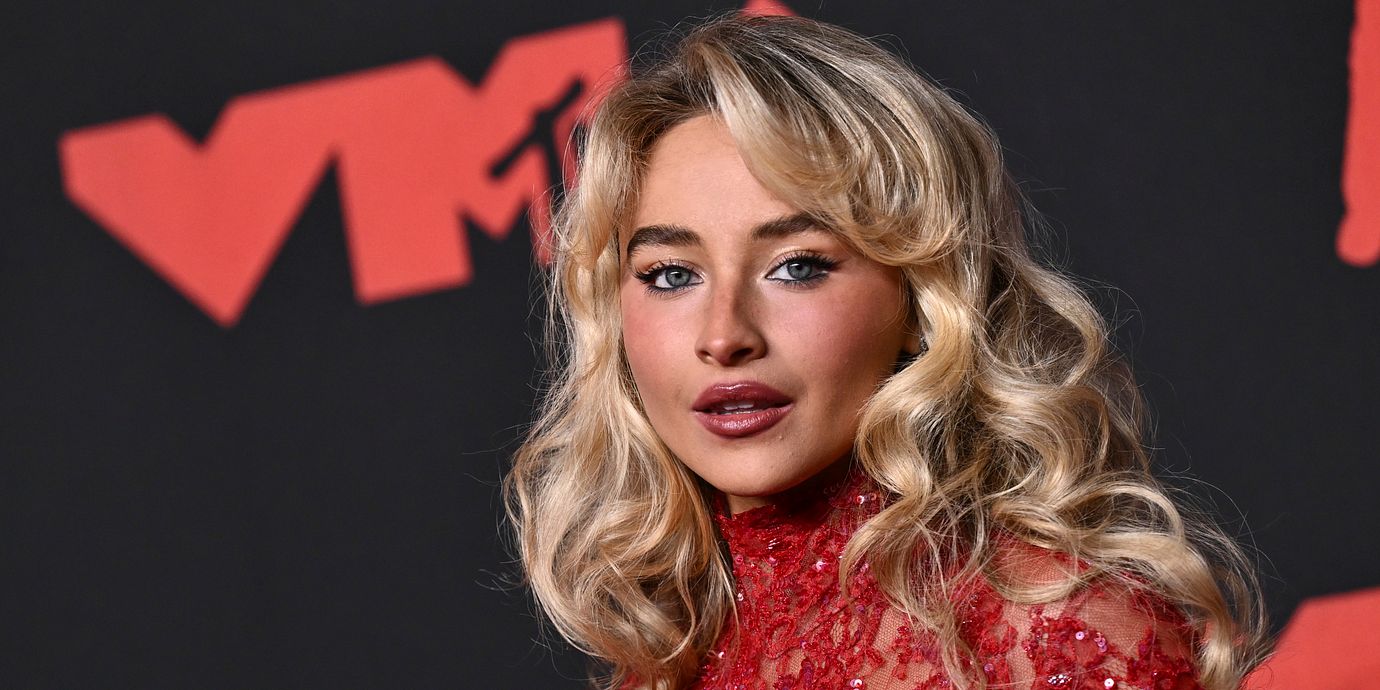
Vita huset tar ner video efter Sabrina Carpenters kritik – lägger upp en ny
Vita huset har i tysthet plockat bort en Tiktok-video som visar gripanden av papperslösa till tonerna av en Sabrina Carpenter-låt, skriver People Magazine.
Sångerskan riktade skarp kritik mot att administrationen hade använt sig av hennes låt ”Juno”.
”Den här videon är ondskefull och äcklig. Använd aldrig mig eller min musik för att gynna er inhumana agenda”, skrev Carpenter på X tidigare i veckan.
Man kan däremot inte säga att Vita huset har krupit till korset. Samma dag som videon togs ner lades en ny upp. Videon föreställer Carpenter i humorprogrammet ”Saturday night live” när hon säger att hon ska gripa sin motspelare för att han är så attraktiv. I Vita husets video har ordet ”attraktiv” bytts ut mot ”illegal”, skriver TT.
bakgrund
Artister som motsatt sig att Trump använder deras musik
Wikipedia (en)
A major aspect of Donald Trump's presidential election campaigns, in his 2016, 2020, and 2024 campaigns, was unauthorized use of music at his prominent and frequent political rallies. Below are musicians who have voiced opposition to their music being used by Trump at his rallies, or for other political purposes, and the actions they took in response to their music's use.
Separately to the individual cases below, a group of artists including Mick Jagger, Lorde, Sia, Blondie, Sheryl Crow, Green Day, Lionel Richie, Elvis Costello, Keith Richards, Steven Tyler and Rosanne Cash in collaboration with the Artist Rights Alliance, have signed a letter demanding that politicians seek permission before playing their music at campaign rallies and public events. Trump's use of music without permission has become the subject of satire, with The Onion claiming that the estate of Irving Berlin was suing Trump for his glockenspiel rendition of "God Bless America", and that the Francis Scott Key estate had sent Trump a cease and desist letter demanding he stop playing "The Star-Spangled Banner" at his rallies.
Venues and political campaigns can buy rights to play songs through licensing packages offered by performing rights organizations such as BMI and ASCAP. BMI and ASCAP allow artists to remove a song from a campaign's Political Entities License. After BMI or ASCAP notifies the campaign of the song's removal, the campaign must stop using the song or risk legal action for copyright infringement. A political campaign that uses a licensed song without the artist's permission may also risk legal action on grounds of trademark infringement, false advertising, or right of publicity.
Omni är politiskt obundna och oberoende. Vi strävar efter att ge fler perspektiv på nyheterna. Har du frågor eller synpunkter kring vår rapportering? Kontakta redaktionen