bakgrund
Förhandlingarna om ett turkiskt EM-medlemskap
Wikipedia (en)
Turkey's application to accede to the European Economic Community, the predecessor of the European Union (EU), was made on 14 April 1987. Turkey has been an associate member since 1963. After the ten founding members, Turkey was one of the first countries to become a member of the Council of Europe in 1949, and was also a founding member of the Organisation for Economic Co-operation and Development (OECD) in 1961 and the Organization for Security and Co-operation in Europe (OSCE) in 1973. The country has also been an associate member of the Western European Union from 1992 to its end in 2011, and is a part of the "Western Europe" branch of the Western European and Others Group (WEOG) at the United Nations. Turkey signed a Customs Union agreement with the EU in 1995 and was officially recognised as a candidate for full membership on 12 December 1999, at the Helsinki summit of the European Council.
Negotiations were started on 3 October 2005 and out of 35 Chapters necessary to complete the accession process, 15 have been opened and 1 has been closed. The membership bid has become a major controversy of the ongoing enlargement of the European Union.
The EU has also been engaged in a visa liberalisation dialogue with Turkey including a "Roadmap towards the visa-free regime". Provided Turkey meets the final five conditions imposed by the EU, it will be granted visa free travel to the Schengen Area.
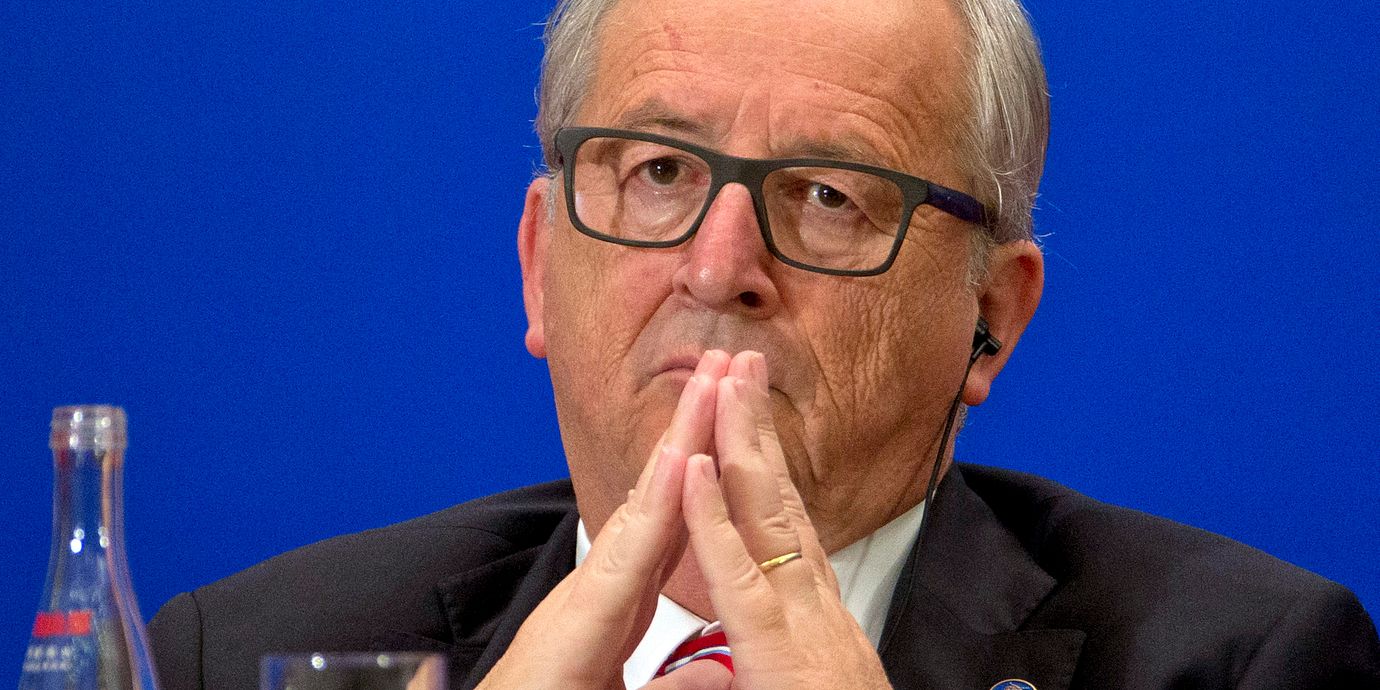
Current major opponents of Turkey's accession are Germany (though the migrant crisis has resulted in compromises) and EUC president Jean-Claude Juncker. France supports it and so too did the United Kingdom, despite the UK's then-Prime Minister, David Cameron, suggesting otherwise in 2016. Both the European S&D and the European People's Party are against Turkey's membership. Outside the EU, the United States has long been one of the primary supporters of Turkey's membership.