Natoländer överens om fler soldater till Afghanistan
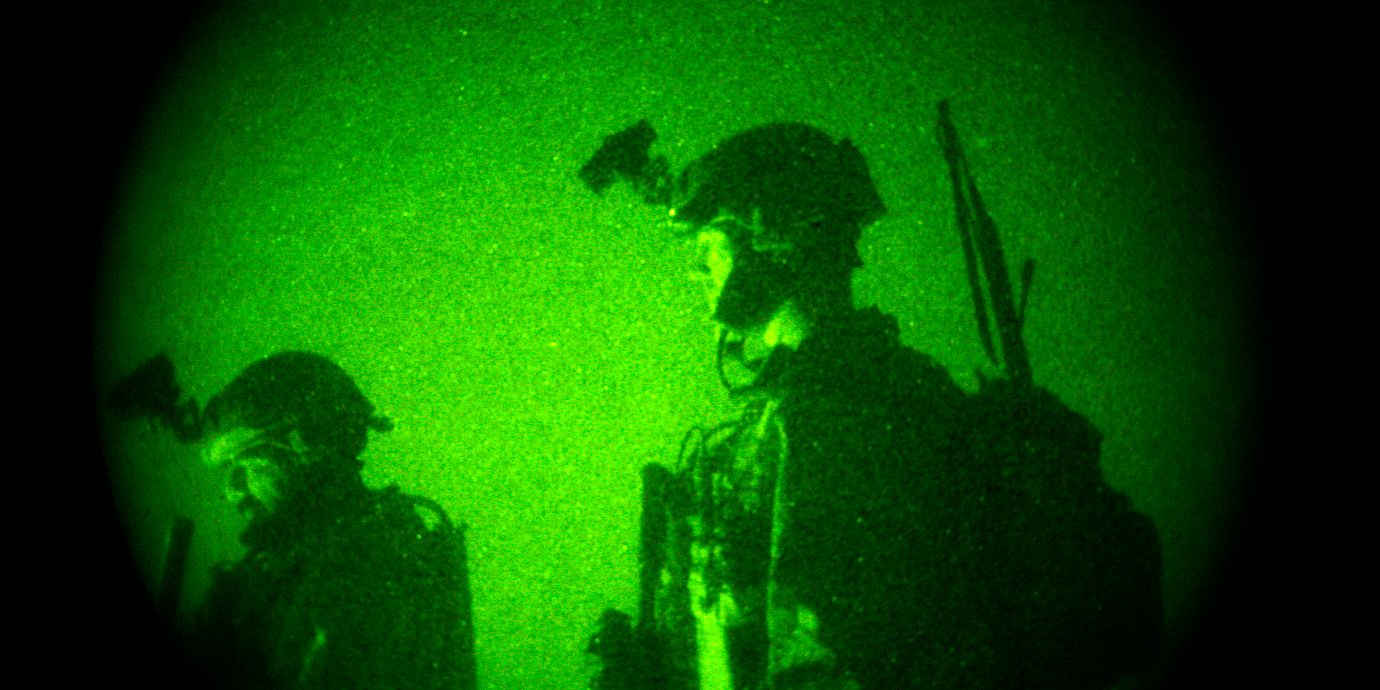
Nato ska skicka fler soldater till Afghanistan. Det meddelade försvarsalliansens generalsekreterare Jens Stoltenberg efter ett försvarsministermöte i Bryssel på torsdagen, enligt nyhetsbyrån Reuters.
Stoltenberg underströk att det inte rör sig om en nystart på den stridande insats som avslutades 2014. I stället ska de afghanska specialstyrkorna stöttas i kampen mot talibanerna och terrorgruppen IS.
USA väntas inom kort ge sin syn på den fortsatta amerikanska närvaron i landet. Utrikesminister James Mattis har lovat att presentera en strategi för kongressen i mitten av juli. Efter dagens möten sa Mattis att det med facit i hand var fel att dra tillbaka de stridande trupperna så snabbt.
bakgrund
Afghanistankriget
Wikipedia (en)
The War in Afghanistan (or the U.S. War in Afghanistan) followed the 2001 United States invasion of Afghanistan. Supported initially by Canada in the form of JTF2 and the United Kingdom, the US was later joined by the rest of NATO, beginning in 2003. Its public aims were to dismantle al-Qaeda and to deny it a safe base of operations in Afghanistan by removing the Taliban from power. Key allies, including the United Kingdom, supported the U.S. from the start to the end of the phase. This phase of the war is the longest war in United States history.
In 2001, U.S. President George W. Bush demanded that the Taliban hand over Osama bin Laden and expel al-Qaeda; bin Laden had already been wanted by the United Nations since 1999. The Taliban declined to extradite him unless given evidence of his involvement in the September 11 attacks and also declined demands to extradite others on the same grounds. The request for evidence was dismissed by the U.S. as a delaying tactic, and on 7 October 2001 it launched Operation Enduring Freedom with the United Kingdom. The two were later joined by other forces, including the Northern Alliance which had been fighting the Taliban in the ongoing civil war since 1996. In December 2001, the United Nations Security Council established the International Security Assistance Force (ISAF), to assist the Afghan interim authorities with securing Kabul. At the Bonn Conference the same month, Hamid Karzai was selected to head the Afghan Interim Administration, which after a 2002 loya jirga in Kabul became the Afghan Transitional Administration. In the popular elections of 2004, Karzai was elected president of the country, now named the Islamic Republic of Afghanistan.
NATO became involved in ISAF in August 2003, and later that year assumed leadership of it, with troops from 43 countries by this stage. NATO members provided the core of the force. One portion of U.S. forces in Afghanistan operated under NATO command; the rest remained under direct U.S. command.
The Taliban was reorganised by its leader Mullah Omar, and in 2003, launched an insurgency against the government and ISAF. Though outgunned and outnumbered, insurgents from the Taliban, Haqqani Network, Hezb-e-Islami Gulbuddin and other groups have waged asymmetric warfare with guerilla raids and ambushes in the countryside, suicide attacks against urban targets and turncoat killings against coalition forces. The Taliban exploited weaknesses in the Afghan government, among the most corrupt in the world, to reassert influence across rural areas of southern and eastern Afghanistan. In the initial years there was little fighting, but from 2006 the Taliban made significant gains and showed an increased willingness to commit atrocities against civilians. ISAF responded in 2006 by increasing troops for counterinsurgency operations to "clear and hold" villages and "nation building" projects to "win hearts and minds". Violence sharply escalated from 2007 to 2009. While ISAF continued to battle the Taliban insurgency, fighting crossed into neighboring North-West Pakistan.
On 1 May 2011, United States Navy SEALs killed Osama bin Laden in Abbotabad, Pakistan. In May 2012, NATO leaders endorsed an exit strategy for withdrawing their forces. UN-backed peace talks have since taken place between the Afghan government and the Taliban. In May 2014, the United States announced that its major combat operations would end in December 2014, and that it would leave a residual force in the country. In October 2014, British forces handed over the last bases in Helmand to the Afghan military, officially ending their combat operations in the war. On 28 December 2014, NATO formally ended combat operations in Afghanistan and transferred full security responsibility to the Afghan government. In early 2017, thousands of American and other NATO troops remain in Afghanistan as military advisors and for counterterrorism operations without any formal plans to withdraw.
Tens of thousands of people have been killed in the war. Over 4,000 ISAF soldiers and civilian contractors as well as over 15,000 Afghan national security forces were killed, as well as nearly 20,000 civilians.
Omni är politiskt obundna och oberoende. Vi strävar efter att ge fler perspektiv på nyheterna. Har du frågor eller synpunkter kring vår rapportering? Kontakta redaktionen