EU-utskott säger nej till frihandelsavtalet Ceta
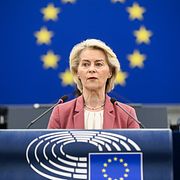
EU-parlamentets sysselsättningsutskott gillar inte EU:s tilltänkta frihandelsavtal med Kanada, Ceta. Med röstsiffrorna 27–24 antogs ett yttrande om att Ceta-avtalet endast kommer att få marginella effekter på jobb och tillväxt och i stället kan leda till ökad ojämlikhet. Ceta-motståndarna i parlamentet är glada.
”Avtalet medför allvarliga risker för vår förmåga att stärka skyddet för miljö och människor i framtiden och måste stoppas”, säger Max Andersson (MP) i ett uttalande, skriver TT.
bakgrund
Comprehensive Economic and Trade Agreement (Ceta)
Wikipedia (en)
The Comprehensive Economic and Trade Agreement (CETA) is a tentative free-trade agreement between Canada and the European Union. If enacted, the agreement will eliminate 98% of the tariffs between Canada and the EU.
The negotiations were concluded in August 2014. The ministers of foreign affairs of all 28 European Union member states approved CETA, with Belgium being the final country whose ministers approved it. Justin Trudeau, Prime Minister of Canada traveled to Brussels on 30 October 2016 to sign on behalf of Canada. If ratified by the European Parliament, most of the agreement will take effect on a provisional basis. The remaining parts of the agreement are subject to ratification by national legislatures.
The EU claims the treaty will lead to savings of just over half a billion euros in taxes for EU exporters every year, mutual recognition in regulated professions such as architects, accountants and engineers, and easier transfers of company staff and other professionals between the EU and Canada. The European Commission claims CETA will create a more level playing field between Canada and the EU on intellectual property rights.
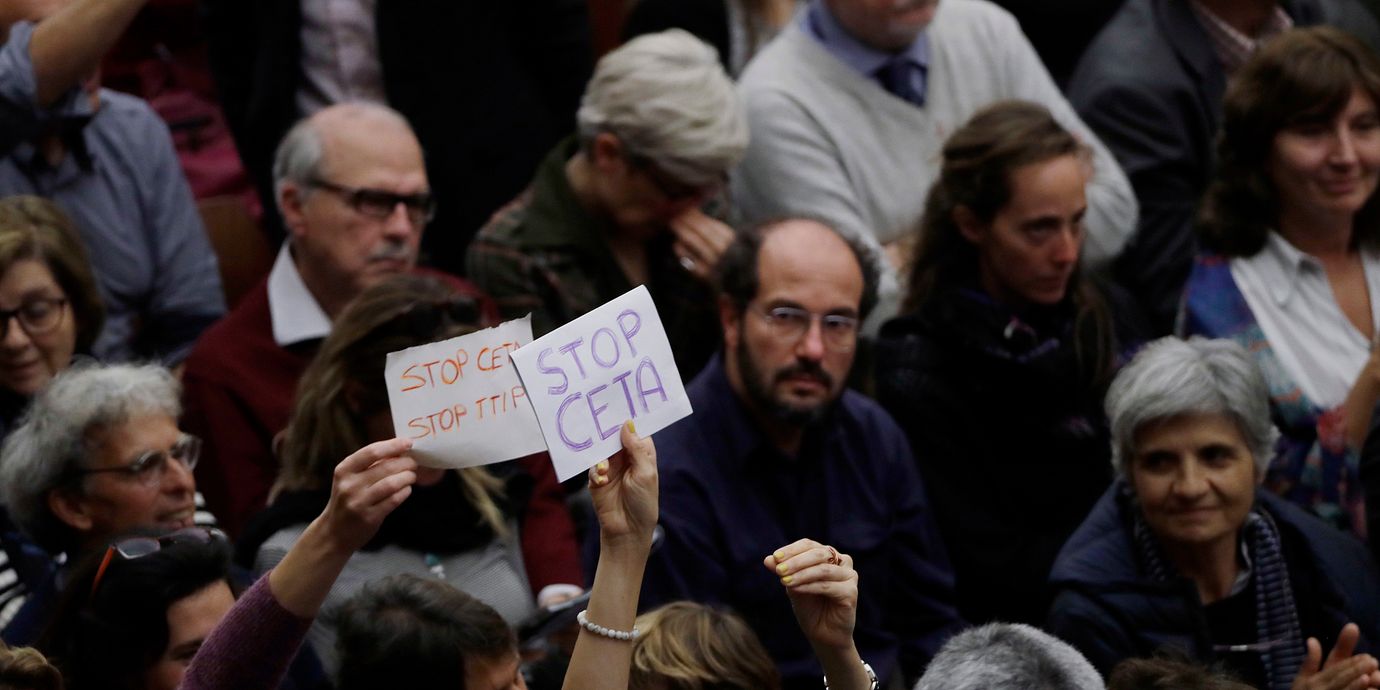
Critics oppose the treaty on the grounds that it will weaken European consumer rights, including those concerning food safety, and that tariffs are already very low. It has also been criticized as a boon only for big business and multinational corporations, while risking net-losses, unemployment, and environmental damage impacting individual citizens. The deal also includes a controversial investor-state dispute settlement mechanism. The agreement has prompted protests in Europe and Canada.
Omni är politiskt obundna och oberoende. Vi strävar efter att ge fler perspektiv på nyheterna. Har du frågor eller synpunkter kring vår rapportering? Kontakta redaktionen