Irland: Brexitavtal kan nås ”inom några dagar”
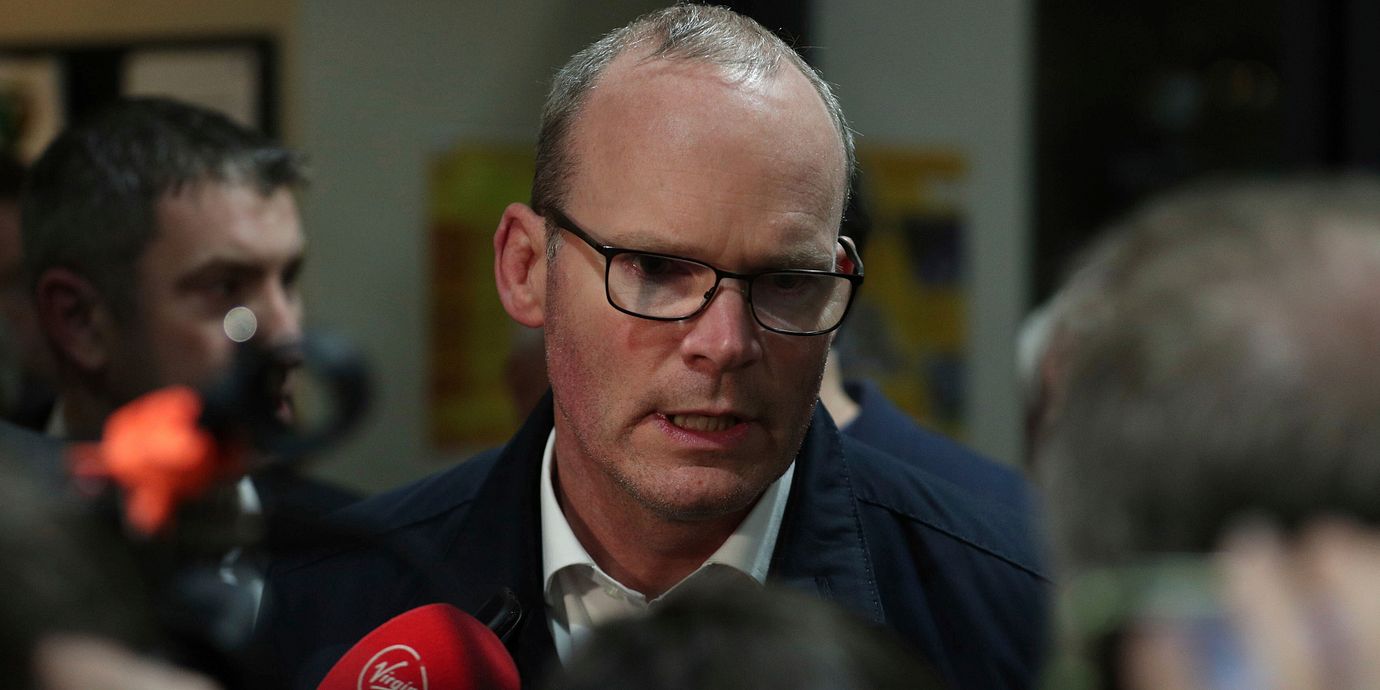
Ett avtal mellan Storbritannien och EU kan nås inom några dagar, säger Irlands utrikesminister Simon Coveney. Det rapporterar AFP.
Coveney hoppas att parterna ska nå en överenskommelse och poängterar att förhandlingarna inte kan förlängas. Om inget avtal nås kan det få stora konsekvenser när Storbritannien officiellt lämnar EU den första januari 2021.
– Det är ingen hemlighet att båda sidor inte har så mycket tid kvar, säger han.
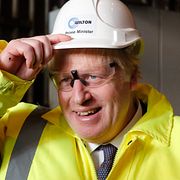
Storbritanniens premiärminister Boris Johnson rapporterades vara ”optimistisk” under gårdagen.
bakgrund
Brexit
Wikipedia (en)
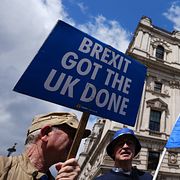
Brexit (; a portmanteau of "British" and "exit") is the withdrawal of the United Kingdom (UK) from the European Union (EU) and the European Atomic Energy Community (EAEC or Euratom) on 31 January 2020. The UK is to date the first and only country to formally leave the EU after 47 years of membership and cautious integration within the bloc after it first joined its predecessor, the European Communities (EC), on 1 January 1973. It is also thought to be the first country to voluntarily withdraw from an economic and monetary union of countries (although the UK never adopted the Euro). Currently it continues to participate in the European Union Customs Union and European Single Market during a transition period that will end on 31 December 2020.
Following a UK-wide referendum in June 2016, in which 52% voted in favour of leaving the EU and 48% voted to remain a member, the Prime Minister David Cameron resigned, and on 29 March 2017 the new UK Government led by Theresa May formally notified the EU of the country's intention to withdraw, beginning the Brexit process. The withdrawal was originally scheduled for 29 March 2019, but was then delayed by deadlock in the UK Parliament after the June 2017 general election resulted in an unexpected hung parliament after the Conservatives lost their small overall majority but remained the largest party, which would later lead to three subsequent extensions of the Article 50 process. The deadlock was resolved after a subsequent general election was held in December 2019, resulting in the Conservatives who campaigned in support of a “revised” withdrawal agreement led by Boris Johnson winning an overall majority of 80 seats. Following the outcome, the UK Parliament finally ratified the withdrawal agreement, and the UK left the EU at 11 p.m. GMT on 31 January 2020. This began a transition period that is set to end on 31 December 2020, during which the UK and EU are negotiating their future relationship. The UK remains subject to EU law and remains part of the EU customs union and single market during the transition, but is no longer part of the EU's political bodies or institutions.Withdrawal was advocated by hard Eurosceptics and opposed by pro-Europeanists and soft Eurosceptics, with both sides of the argument spanning the political spectrum. The UK joined the European Communities (EC) – principally the European Economic Community (EEC) – in 1973, and its continued membership was endorsed in the 1975 referendum. In the 1970s and 1980s, withdrawal from the EC was advocated mainly by the political left, e.g. in the Labour Party's 1983 election manifesto. The 1992 Maastricht Treaty founded the EU, was ratified by the UK Parliament in 1993 but was not put to a referendum. The Eurosceptic wing of the Conservative Party led a rebellion over ratification of the treaty and, with the UK Independence Party (UKIP) and the cross-party People's Pledge campaign then led a collective campaign particularly after the Treaty of Lisbon was also ratified by the UK Parliament in 2008 without being put to a referendum following a previous promise to hold a referendum on ratifying the abandoned European Constitution was never held eventually pressured the Conservative prime minister David Cameron to hold a referendum on continued EU membership, which was held in June 2016. Cameron, who had campaigned to remain, resigned after the result and was succeeded by Theresa May.
On 29 March 2017, the UK government formally began the withdrawal process by invoking Article 50 of the Treaty on European Union with permission from Parliament. May called a snap general election in June 2017, which resulted in a Conservative minority government supported by the Democratic Unionist Party (DUP). UK–EU withdrawal negotiations began later that month. The UK negotiated to leave the EU customs union and single market. This resulted in the November 2018 withdrawal agreement, but the British parliament voted against ratifying it three times. The Labour Party wanted any agreement to maintain a customs union, while many Conservatives opposed the agreement's financial settlement, as well as the "Irish backstop" designed to prevent border controls between Northern Ireland and the Republic of Ireland. The Liberal Democrats, Scottish National Party (SNP), and others sought to reverse Brexit through a proposed second referendum.
On 14 March 2019, the UK Parliament voted for May to ask the EU to delay Brexit until June, and then later October. Having failed to get her agreement approved, May resigned as Prime Minister in July and was succeeded by Boris Johnson. He sought to replace parts of the agreement and vowed to leave the EU by the new deadline. On 17 October 2019, the UK Government and the EU agreed on a revised withdrawal agreement, with new arrangements for Northern Ireland. Parliament approved the agreement for further scrutiny, but rejected passing it into law before the 31 October deadline, and forced the government (through the "Benn Act") to ask for a third Brexit delay. An early general election was then held on 12 December. The Conservatives won a large majority in that election, with Johnson declaring that the UK would leave the EU in early 2020. The withdrawal agreement was ratified by the UK on 23 January and by the EU on 30 January; it came into force on 31 January 2020.Many effects of Brexit depend on how closely the UK will be tied to the EU, or whether the transition period ends without terms being agreed (a "no-deal Brexit"). The broad consensus among economists is that Brexit will likely harm the UK's economy and reduce its real per capita income in the long term, and that the referendum itself damaged the economy. Brexit is likely to reduce immigration from European Economic Area (EEA) countries to the UK, and poses challenges for UK higher education, academic research and security. Following Brexit, EU law and the EU Court of Justice no longer have supremacy over UK laws or its Supreme Court, except to a temporary extent. The European Union (Withdrawal) Act 2018 retains relevant EU law as domestic law, which the UK could then amend or repeal.
Omni är politiskt obundna och oberoende. Vi strävar efter att ge fler perspektiv på nyheterna. Har du frågor eller synpunkter kring vår rapportering? Kontakta redaktionen