bakgrund
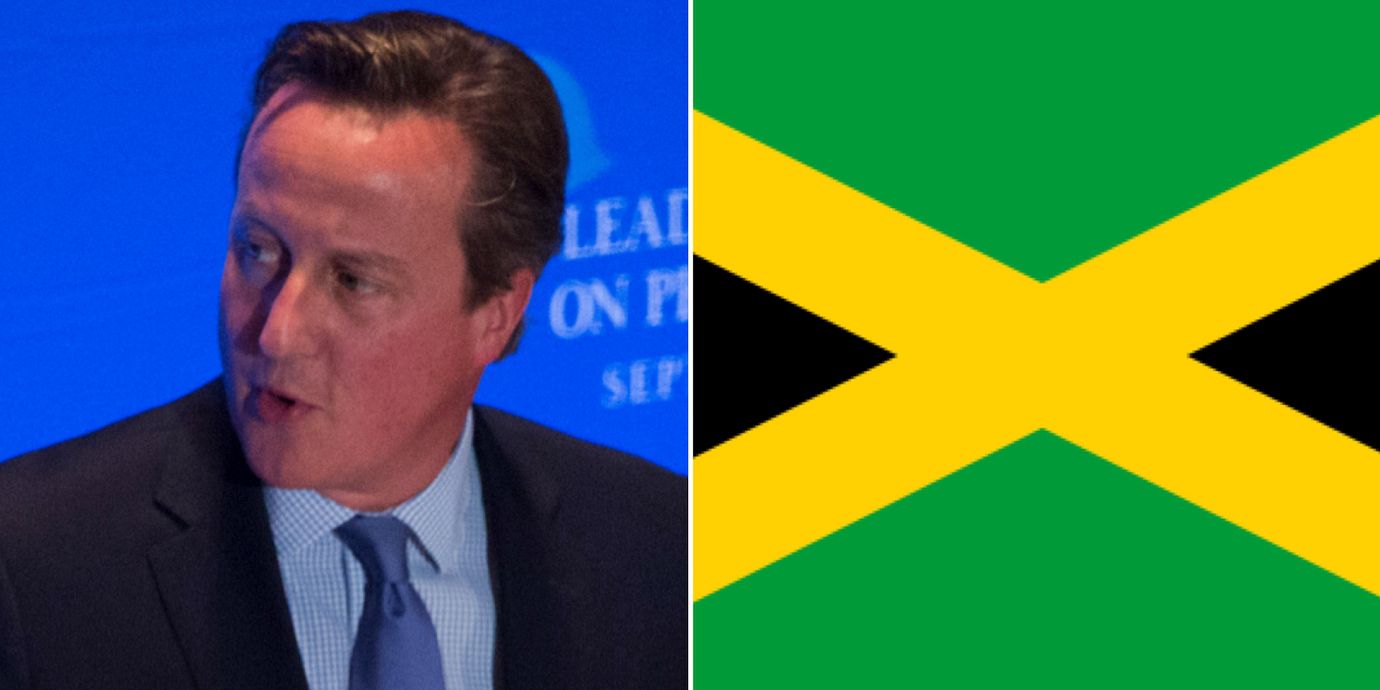
England tog över ön i mitten av 1600-talet
Wikipedia (en)
The island of Jamaica was colonized by the Taino tribes prior to the arrival of Columbus in 1494. The Spanish enslaved the Tainos, who were so ravaged by their conflict with the Europeans and by foreign diseases that nearly the entire native population was extinct by 1600. The Spanish also transported hundreds of enslaved West Africans to the island.
In 1655, the English invaded Jamaica, defeating the Spanish colonists. Enslaved Africans seized the moment of political turmoil and fled to the island's interior, forming independent communities (known as the Maroons). Meanwhile, on the coast, the English built the settlement of Port Royal, which became a base of operations for pirates and privateers, including Captain Henry Morgan.
In the eighteenth century, sugar replaced piracy as English Jamaica's main source of income. The sugar industry was labor-intensive and the English brought hundreds of thousands of enslaved Africans to Jamaica, so that by 1800 black Jamaicans outnumbered whites by a ratio of twenty to one. Enslaved Jamaicans mounted over a dozen major uprisings during the eighteenth century, including Tacky's revolt in 1760. There were also periodic skirmishes between the British and the Maroons, culminating in the First Maroon War of the 1730s and the Second Maroon War of the 1790s.
In 1831, Samuel Sharpe led the "Baptist War" revolt, which became the largest slave uprising in the British West Indies. The revolt accelerated the process of emancipation, with initial measures beginning in 1833 and full emancipation coming in 1838. But after emancipation, the freed population still faced significant hardships, including restrictions on their right to vote.
The twentieth century saw the founding of two of the country's most distinct cultural exports, the Rastafari movement and reggae music, in the 1930s and 1960s respectively. Both were popularized by reggae singer Bob Marley, arguably the first worldwide pop-star from the "Third World." In the years leading up to Jamaica's 1962 independence from the United Kingdom, her two main political parties were founded -- Alexander Bustamante's conservative Jamaican Labour Party and Norman Manley's liberal People's National Party. Unfortunately, the political conflicts between these parties increasingly played out in Kingston gang battles. The country swung between Michael Manley's extreme liberalism of the 1970s and Edward Seaga's extreme conservatism of the 1980s, followed by the long and relatively moderate premiership of P. J. Patterson from 1992 to 2006. In 2010, the "Tivoli Incursion" gun-battle between police and the gang of Christopher "Dudus" Coke caught many innocent people in the crossfire. Over seventy Jamaicans were killed and the inquiry into police actions during the incursion continues today.