Storbritannien ger Nigeria stulen konst tillbaka
Horniman Museum i London ska lämna tillbaka 72 konstföremål som stals från Kungariket Benin, i nuvarande Nigeria, på 1800-talet. Det rapporterar BBC.
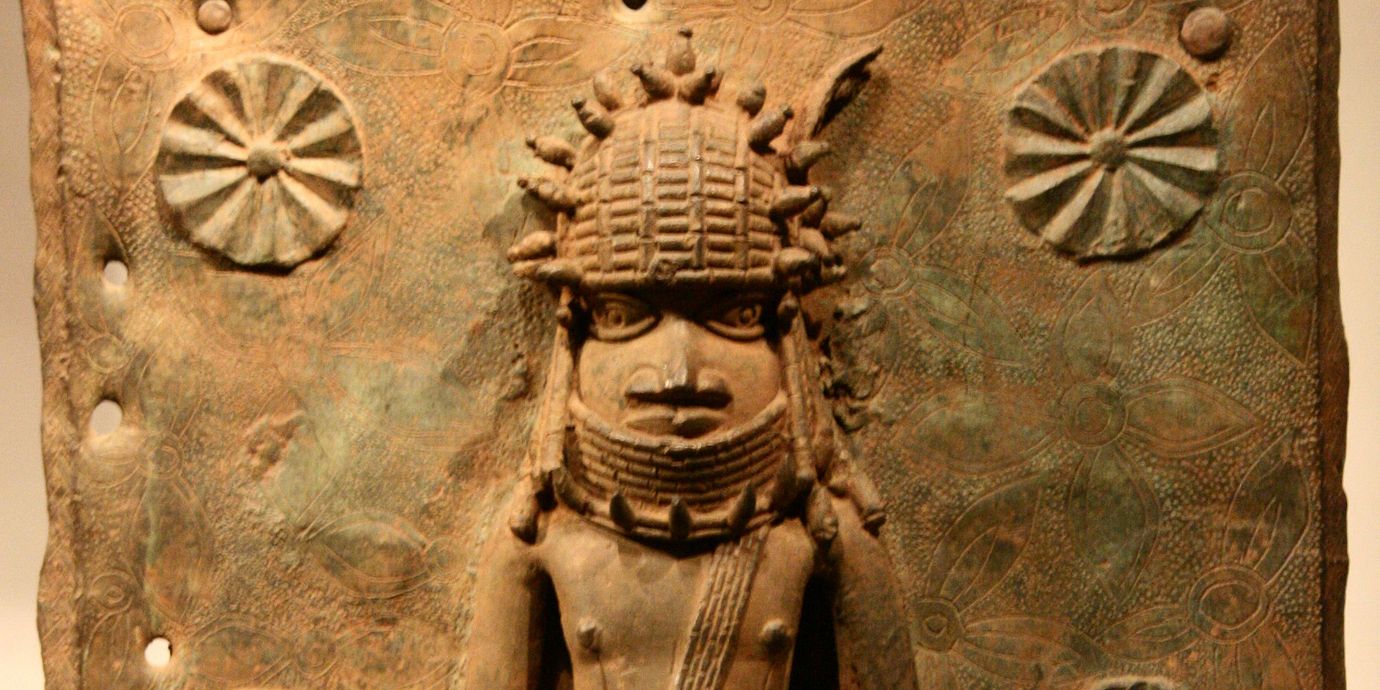
Samlingen innefattar tolv så kallade Benin-bronser – bronsplaketter som dekorerade det kungliga palatset. Återbördandet sker efter att Nigerias kulturarvsmyndighet lämnade in en formell begäran i januari.
– Det finns tydliga bevis för att dessa objekt togs med våld, och extern konsultation stärkte vår uppfattning om att det både är moraliskt och lämpligt att återbörda dem till Nigeria, säger museichefen Eve Salomon.
bakgrund
Benin-bronserna
Wikipedia (en)
The Benin Bronzes are a group of several thousand metal plaques and sculptures that decorated the royal palace of the Kingdom of Benin in what is now Edo State, Nigeria. Collectively, the objects form the best examples of Benin art and were created from the thirteenth century by artists of the Edo people. Apart from the plaques, other sculptures in brass or bronze include portrait heads, jewellery and smaller pieces.
Many of the dramatic sculptures date to the thirteenth century, and a large part of the collection dates to the fifteenth and sixteenth centuries. It is believed that two "golden ages" in Benin metal workmanship occurred during the reigns of Esigie (fl. 1550) and of Eresoyen (1735–1750), when their workmanship achieved its highest quality, periods in which most of Benin's wealth was a product of its participation in the Transatlantic slave trade Copper and brass Manilla used as the principle means of exchange for slaves, and ivory, with the Kingdom.Most of the plaques and other objects were looted by British forces during the Benin Expedition of 1897 as imperial control was being consolidated in Southern Nigeria. Two hundred pieces were taken to the British Museum in London, while the rest found their way to other European museums. A large number are held by the British Museum with other notable collections in Germany and the United States.The Benin Bronzes led to a greater appreciation in Europe of African culture and art. Initially, it appeared incredible to the discoverers that people "supposedly so primitive and savage" were responsible for such highly developed objects. Some even wrongly concluded that Benin knowledge of metallurgy came from the Portuguese traders who were in contact with Benin in the early modern period. The Kingdom of Benin was a hub of African civilization long before Portuguese traders visited, and it is clear that the bronzes were made in Benin by an indigenous culture, centuries before European contact.While the collection is known as the Benin Bronzes, like most West African "bronzes" the pieces are mostly made of brass of variable composition. There are also pieces made of mixtures of bronze and brass, of wood, of ceramic, and of ivory, among other materials. The metal pieces were made using lost-wax casting and are considered among the best sculptures made using this technique.
Omni är politiskt obundna och oberoende. Vi strävar efter att ge fler perspektiv på nyheterna. Har du frågor eller synpunkter kring vår rapportering? Kontakta redaktionen