Iran avfärdar inbjudan till möte som ”Trumps dröm”
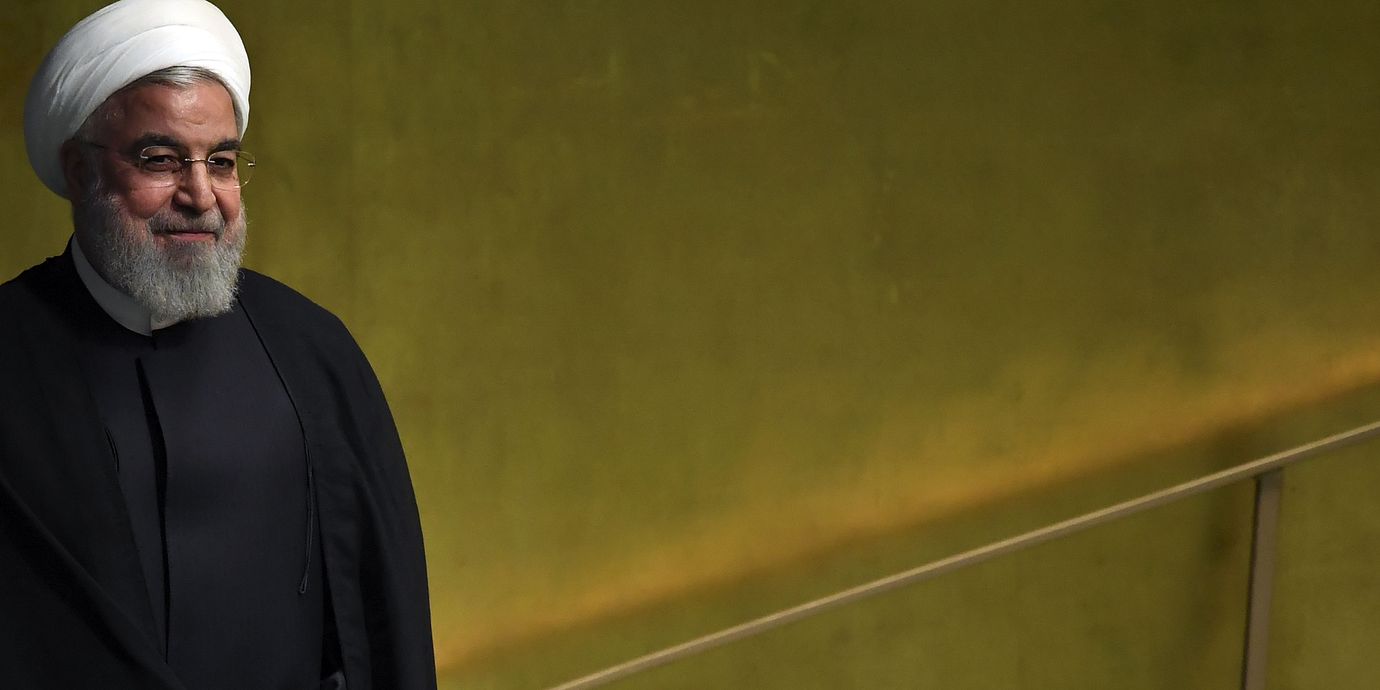
Något möte mellan Iran och USA kommer inte att hända. Det var budskapet från Ali Akbar Velayati, en av president Hassan Rouhanis topprådgivare i samband med FN-mötet i New York på måndagen, skriver Reuters. I en intervju med den statliga nyhetsbyrån Irna avfärdar Iran inbjudan från USA som ”Trumps dröm”.
Både Rouhani och Donald Trump kommer att delta vid FN:s generalförsamling som inleds på tisdagen.
Inför mötet kallade Irans revolutionsgarde även Trump för ”ond och äventyrslysten”, och anklagade honom för att föra ett ekonomiskt krig mot Teheran sedan han drog USA ur Iranavtalet tidigare i år.
bakgrund
Relationen mellan Iran och USA
Wikipedia (en)
Iran and the United States have had no diplomatic relations since 1980. Pakistan serves as Iran's protecting power in the United States, while Switzerland serves as America's protecting power in Iran. Contacts are carried out through the Iranian Interests Section of the Pakistani Embassy in Washington, DC, and the US Interests Section of the Swiss Embassy in Tehran. Iranian Supreme leader Ali Khamenei banned direct talks with the United States in 2018.Relations between the two nations began in the mid-to-late nineteenth century. Initially, while Iran was very wary of British and Russian colonial interests during the Great Game, the United States was seen as a more trustworthy foreign power, and the Americans Arthur Millspaugh and Morgan Shuster were even appointed treasurers-general by the Shahs of the time. During World War II, Iran was invaded by the United Kingdom and the Soviet Union, both US allies, but relations continued to be positive after the war until the later years of the government of Mohammad Mosaddegh, who was overthrown by a coup organized by the Central Intelligence Agency and aided by the MI6. This was followed by an era of very close alliance and friendship between Shah Mohammad Reza Pahlavi's regime and the US government, which was in turn followed by a dramatic reversal and disagreement between the two countries after the 1979 Iranian Revolution. During this era, Iran was one of the United States' closest allies.Opinions differ as to the cause of the cooling in relations. Iranian explanations include everything from the natural and unavoidable conflict between the Islamic Revolution on the one hand, and perceived American arrogance and desire for global hegemony on the other. Other explanations include the Iranian government's need for an external bogeyman to furnish a pretext for domestic repression against pro-democratic forces and to bind the government to its loyal constituency.Since 1995, the United States has had an embargo on trade with Iran. In 2015 the United States led successful negotiations for a nuclear deal (the Joint Comprehensive Plan of Action) intended to dismantle Iran's nuclear weapons capabilities, and when Iran complied in 2016, sanctions on Iran were lifted.According to a 2013 BBC World Service poll, 5% of Americans view Iranian influence positively, with 87% expressing a negative view, the most unfavorable perception of Iran in the world. On the other hand, research has shown that most Iranians hold a positive attitude about the American people, though not the US government. A January 2018 poll shows that 18% of Iranians have a favorable view of the United States, with 80% expressing an unfavorable view.Relations tend to improve when the two countries have overlapping goals, such as repelling Sunni militants.
Omni är politiskt obundna och oberoende. Vi strävar efter att ge fler perspektiv på nyheterna. Har du frågor eller synpunkter kring vår rapportering? Kontakta redaktionen