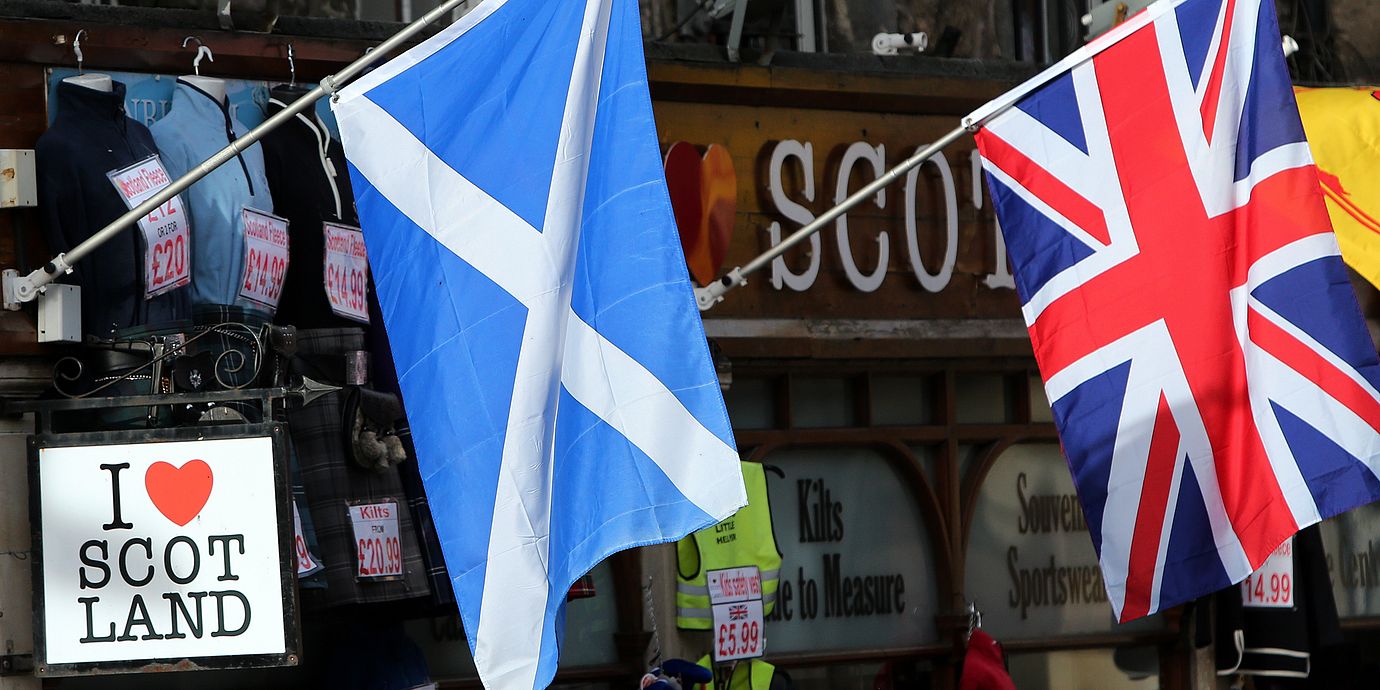
Skottarnas varning: Vi kan lämna vid brexit
Om Storbritannien – mot Skottlands vilja – väljer att gå ur EU-samarbetet efter sommarens folkomröstning kommer Skotska nationalistpartiet SNP att kräva en ny folkomröstning om självständighet från Storbritannien. Det skriver TT.
Opinionsstödet för ett fortsatt medlemskap i EU är stort i Skottland och mycket av EU-kritiken uppfattas som mer engelsk än brittisk.
Samtidigt är oron för en skotsk självständighet stor i Storbritannien. Mätningar har visat att britter är mer oroade över ett sådant scenario än en brexit.
bakgrund
Folkomröstningen om EU hålls den 23 juni
Wikipedia (en)
The United Kingdom European Union membership referendum, also known as the EU referendum within the United Kingdom, is a referendum that is scheduled to take place in the United Kingdom and Gibraltar on 23 June 2016. Membership of the European Union has been a topic of debate in the United Kingdom since before the country joined the European Economic Community (EEC, or the "Common Market"), as it was known then, in 1973.
In accordance with a Conservative Party manifesto commitment, the legal basis for a referendum was established by the passage of the European Union Referendum Act 2015 by the UK Parliament. It will be the second time the British electorate has been asked to vote on the issue of European Union membership; the first was held in 1975, on EEC membership. Continued membership was approved in that referendum by 67% of voters, but the nature of the EU has changed substantially since then and the result of this referendum is expected to be significantly closer.
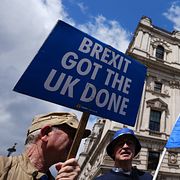
Those who favour a British withdrawal from the European Union – commonly referred to as a Brexit (a portmanteau of British and exit) – argue that being a member undermines national Parliamentary sovereignty, while some in favour of membership argue that in a world with many levels of supranational organisations any theoretical loss of sovereignty is more than compensated by the benefits of membership of the EU. Those who want to leave the EU argue that it would: allow the UK to better control immigration, thus reducing pressure on public services, housing and jobs; save billions in EU membership fees; allow the UK to make its own trade deals; and free the UK from EU regulations and bureaucracy that they see as needless and costly. Those who want to remain argue that leaving the EU would: risk the UK's prosperity; diminish its influence over world affairs; jeopardise national security by reducing access to common European criminal databases; and result in trade barriers between the UK and the EU. In particular, they argue that leaving the EU would lead to job losses, delays in investment coming to the UK and risks to large and small business.
bakgrund
Skottlands självständighetsomröstning 2014
Wikipedia (en)
A referendum on Scottish independence took place on 18 September 2014. The independence referendum question, which voters answered with "Yes" or "No", was "Should Scotland be an independent country?" The "No" side won, with 2,001,926 (55.3%) voting against independence and 1,617,989 (44.7%) voting in favour. The turnout of 84.6% was the highest recorded for an election or referendum in the United Kingdom since the introduction of universal suffrage.
The Scottish Independence Referendum Bill, setting out the arrangements for this referendum, was passed by the Scottish Parliament in November 2013, following an agreement between the Scottish and the United Kingdom governments, and was enacted as the Scottish Independence Referendum Act 2013. To pass, the independence proposal required a simple majority. With some exceptions, all European Union (EU) or Commonwealth citizens resident in Scotland aged 16 or over could vote, a total of almost 4.3 million people.
Yes Scotland was the main campaign group for independence, while Better Together was the main campaign group in favour of maintaining the union. Many other campaign groups, political parties, businesses, newspapers and prominent individuals were also involved. Prominent issues raised during the referendum included which currency an independent Scotland would use, public expenditure, EU membership, and North Sea oil.
Omni är politiskt obundna och oberoende. Vi strävar efter att ge fler perspektiv på nyheterna. Har du frågor eller synpunkter kring vår rapportering? Kontakta redaktionen