
22-åriga Laura anmälde våldtäkt – greps själv
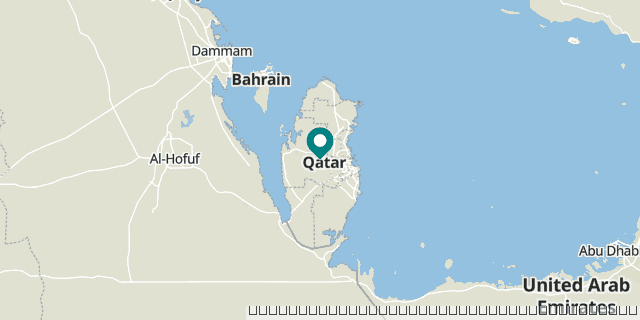
En 22-årig kvinna från Nederländerna hålls arresterad i Qatar sedan hon polisanmält en våldtäkt under sin semester i landet i mars.
Kvinnan, som enligt AFP heter Laura, uppger att hon drogats på sitt hotell, våldtagits och vaknat i en främmande lägenhet.
Enligt hennes advokat anses hon av myndigheter i Qatar ha ägnat sig åt olagligt utomäktenskapligt sex.
Inget åtal har väckts mot kvinnan och nederländska myndigheter uppges stå i tät kontakt med henne.
2013 satt en 24-årig norsk kvinna fängslad i Förenade Arabemiraterna efter en anmälan om våldtäkt. Hon anklagades för olämpligt uppträdande och alkoholkonsumtion.
bakgrund
Utomäktenskapligt sex
Wikipedia (en)
Adultery (anglicised from Latin adulterium) is extramarital sex that is considered objectionable on social, religious, moral or legal grounds. Though what sexual activities constitute adultery varies, as well as the social, religious and legal consequences, the concept exists in many cultures and is similar in Islam, Christianity and Judaism. A single act of sexual intercourse is generally sufficient to constitute adultery, and a more long-term sexual relationship is sometimes referred to as an affair.
Historically, many cultures have considered adultery as a very serious crime. Adultery often incurred severe punishment, usually for the woman and sometimes for the man, with penalties including capital punishment, mutilation or torture. Such punishments have gradually fallen into disfavor, especially in Western countries from the 19th century. In most Western countries, adultery itself is no longer a criminal offense, but may still have legal consequences, particularly in divorce cases. For example, in fault-based family law jurisdictions, adultery almost always constitutes a ground for divorce and may be a factor in property settlement, the custody of children, the denial of alimony, etc. Adultery is not a ground for divorce in jurisdictions which have adopted a no-fault divorce model. In some societies and among certain religious adherents, adultery may affect the social status of those involved, and may result in social ostracism.
In countries where adultery is a criminal offense, punishments range from fines to caning and even capital punishment. Since the 20th century, criminal laws against adultery have become controversial, with international organizations calling for their abolition, especially in the light of several high profile stoning cases that have occurred in some countries. The head of the United Nations expert body charged with identifying ways to eliminate laws that discriminate against women or are discriminatory to them in terms of implementation or impact, Kamala Chandrakirana, has stated that: "Adultery must not be classified as a criminal offence at all". A joint statement by the United Nations Working Group on discrimination against women in law and in practice states that: "Adultery as a criminal offence violates women’s human rights".
In Muslim countries that follow sharia law, the punishment for adultery may be stoning. There are 15 countries where stoning is authorized as lawful punishment; however instances have occurred outside the legal system (extrajudicially). Most countries that criminalize adultery are those where the dominant religion is Islam, and several Sub-Saharan African Christian-majority countries, but there are some notable exceptions to this rule, namely Philippines, Taiwan, and several US states. In some jurisdictions, having sexual relations with the king's wife or the wife of his eldest son constitutes treason. By analogy, in cultures which value and normally practice exclusive interpersonal relationships, sexual relations with a person outside the relationship may also be described as infidelity or cheating, and is subject to sanction.
Omni är politiskt obundna och oberoende. Vi strävar efter att ge fler perspektiv på nyheterna. Har du frågor eller synpunkter kring vår rapportering? Kontakta redaktionen