Handelsavtalet CPTPP har nu trätt i kraft i sex länder
Handelsavtalet CPTPP trädde på söndagen i kraft för sex av de elva nationer som ingår.
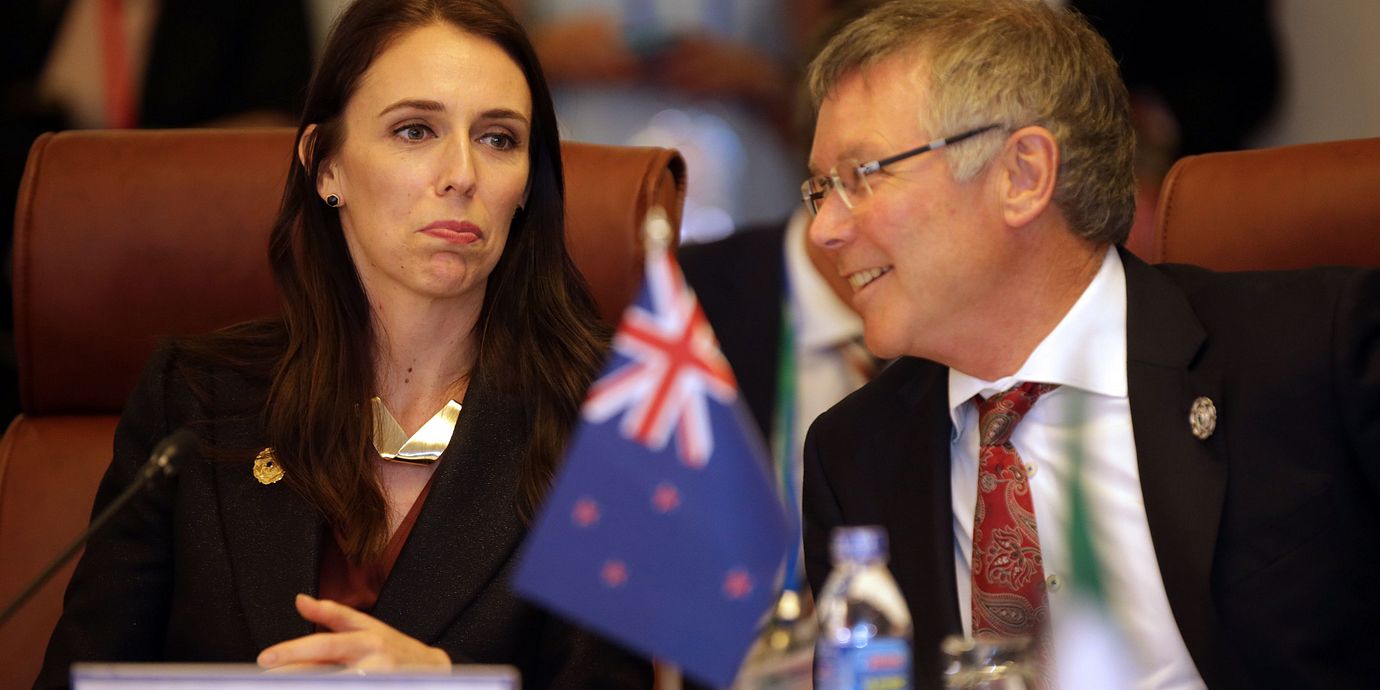
– CPTPP förser för första gången Nya Zeeland med handelsavtal med tre viktiga ekonomier: Japan, Kanada och Mexiko, säger Nya Zeelands handelsminister David Parker i ett uttalande.
Avtalet trädde på söndagen i kraft för Nya Zeeland, Australien, Kanada, Japan, Mexiko och Singapore. Den 14 januari är det dags för Vietnam. Brunei, Chile, Malaysia och Peru har ännu inte slutgiltigt ratificerat avtalet.
Avtalet ersätter TPP och sänker tarifferna mellan de elva nationerna. USA är inte med efter Donald Trumps beslut att lämna TPP 2017.
Läs också
Comprehensive and Progressive Agreement for Trans-Pacific Partnership (CPTPP)
Wikipedia (en)
The Comprehensive and Progressive Agreement for Trans-Pacific Partnership (CPTPP), also known as TPP11 or TPP-11, is a signed trade agreement pending ratification by Australia, Brunei, Canada, Chile, Japan, Malaysia, Mexico, New Zealand, Peru, Singapore and Vietnam. The eleven countries represent 13.4 percent of the global gross domestic product or $13.5 trillion, making this one of the largest trade agreements after the North American Free Trade Agreement.The CPTPP incorporates most of the Trans-Pacific Partnership (TPP) provisions by reference, but suspended 22 provisions the United States favored that other countries opposed, and lowered the threshold for enactment so the participation of the U.S. is not required. The TPP was signed on 4 February 2016, but never entered into force as a result of the withdrawal of the United States.All original TPP signatories, except the U.S., agreed in May 2017 to revive it and reached agreement in January 2018 to conclude the Comprehensive and Progressive Agreement for Trans-Pacific Partnership. The formal signing ceremony was held on 8 March 2018 in Santiago, Chile.The agreement enters into effect 60 days after ratification by at least 50% of the signatories (six of the eleven participating countries), with four countries having ratified as of 17 October 2018.
Omni är politiskt obundna och oberoende. Vi strävar efter att ge fler perspektiv på nyheterna. Har du frågor eller synpunkter kring vår rapportering? Kontakta redaktionen