Nasa skjuter upp bemannad månfärd till 2026
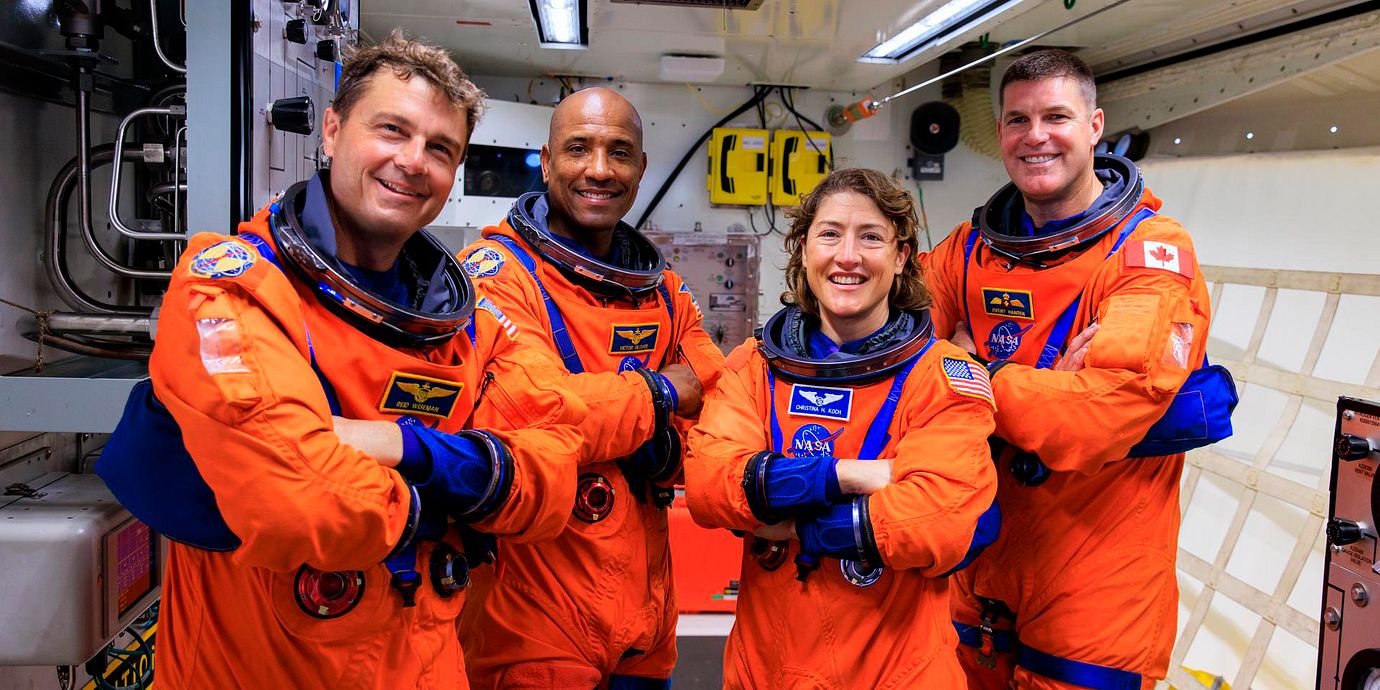
USA skjuter upp planerna på en bemannad månfärd från 2025 till 2026, meddelar Nasa. Artemis-projektet har sedan tidigare lidit av tekniska problem.
– Säkerheten är vår främsta prioritet, och att ge Artemis-teamen mer tid att jobba sig igenom utmaningarna, säger Nasa-chefen Bill Nelson.
Artemis 2-expeditionen, en bemannad farkost som inte är tänkt att landa på månen, flyttas fram från senare i år till 2025. Artemis 3, där besättningsmedlemmar ska landa på månen, flyttas fram till 2026.
Planen är att etablera närvaro på månen med syfte att dra lärdomar inför framtida bemannade expeditioner till Mars.
bakgrund
Artemis-programmet
Wikipedia (en)
The Artemis program is a robotic and human Moon exploration program led by the United States' National Aeronautics and Space Administration (NASA) along with six major partner agencies— the European Space Agency (ESA), the German Aerospace Center (DLR), the Japan Aerospace Exploration Agency (JAXA), the Canadian Space Agency (CSA), the Israel Space Agency (ISA), and the Italian Space Agency (ASI). The Artemis program is intended to reestablish a human presence on the Moon for the first time since Apollo 17 in 1972. Major elements of the program include the Space Launch System (SLS), the Orion spacecraft, the Lunar Gateway space station, and the commercial Human Landing Systems. The program's long-term goal is to establish a permanent base on the Moon to facilitate the feasibility of human missions to Mars.
The Artemis program is a collaboration of government space agencies and private spaceflight companies, bound together by the Artemis Accords and supporting contracts. As of September 2023, twenty-nine countries and one territory had signed the accords, including traditional U.S. space partners (such as the European Space Agency and agencies from India, Canada, Japan, and the United Kingdom) and emerging space powers (such as Brazil, South Korea, Mexico, and the United Arab Emirates).The Artemis program was formally established in 2017. Many of its elements, such as the Orion spacecraft, were developed during the previous Constellation program (2005–2010). Orion's first launch on the Space Launch System was originally set in 2016, but was rescheduled and launched on 16 November 2022 as the Artemis 1 mission, with robots and mannequins aboard. According to plan, the crewed Artemis 2 launch will take place in late 2024, the Artemis 3 crewed lunar landing in 2025, the Artemis 4 docking with the Lunar Gateway in 2028, and future yearly landings on the Moon thereafter. However, some observers note that the program's cost and timeline are likely to be overrun and delayed.
Omni är politiskt obundna och oberoende. Vi strävar efter att ge fler perspektiv på nyheterna. Har du frågor eller synpunkter kring vår rapportering? Kontakta redaktionen