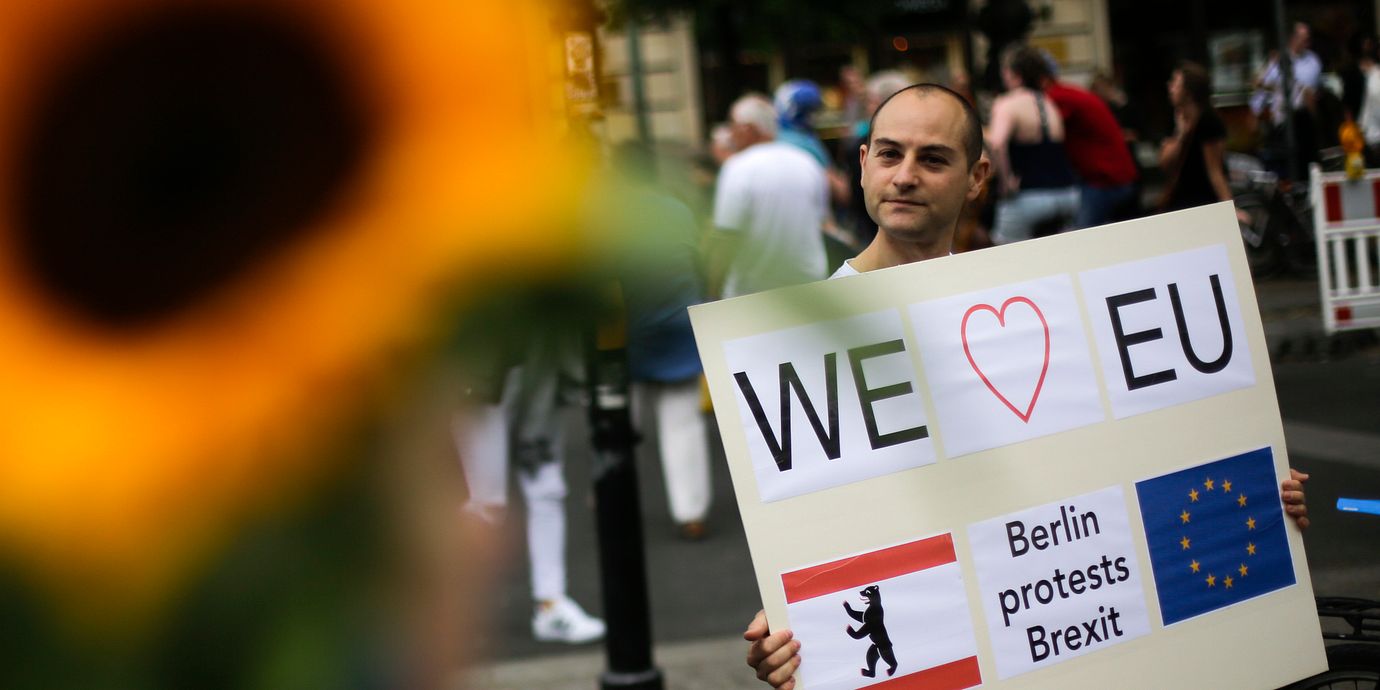
Ledare: Brexit har väckt kärleken för EU igen
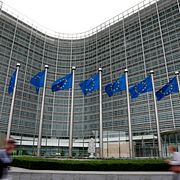
När det i slutet av juni stod klart att Storbritannien röstat för att gå ur EU, var det många som förutspådde att flera andra EU-länder skulle följa efter. Men i verkligheten ser oron ut att ha varit obefogad, skriver DN:s Matilda Molander i en ledare.
Hon pekar på flera undersökningar som visar att majoriteten av invånarna i unionens medlemsländer är positiva till ett EU-medlemskap.
”Kanske var britternas utträde vad som behövdes för att vi skulle inse värdet av det vi har och nödvändigheten i att vårda det”, skriver hon.
bakgrund
Brexit
Wikipedia (en)
Brexit is the withdrawal of the United Kingdom (UK) from the European Union (EU). It has been the goal of various individuals, advocacy groups, and political parties since the UK joined the European Economic Community (EEC), the predecessor of the EU, in 1973. Continued membership of the EEC was approved in a 1975 referendum by 67% of voters. In the June 2016 referendum on EU membership, 52% voted to leave, resulting in the complex process of withdrawal being initiated and political and economic changes in the UK and other countries.
Withdrawal from the European Union has been a right under Article 50 of the Treaty on European Union of EU member states since 2007. The process for the UK's withdrawal is uncertain under EU law – Article 50, which now governs the withdrawal, has never been used before, though Greenland left the EU in 1985. Unless extensions are agreed, the timing for leaving under the article is two years from when Britain gives official notice, but this official notice was not given immediately following the referendum in June 2016. The assumption is that during the two-year window new agreements will be negotiated, but there is no requirement that there be new agreements.
Omni är politiskt obundna och oberoende. Vi strävar efter att ge fler perspektiv på nyheterna. Har du frågor eller synpunkter kring vår rapportering? Kontakta redaktionen