Nytt iranskt missiltest kan bryta mot FN-resolution
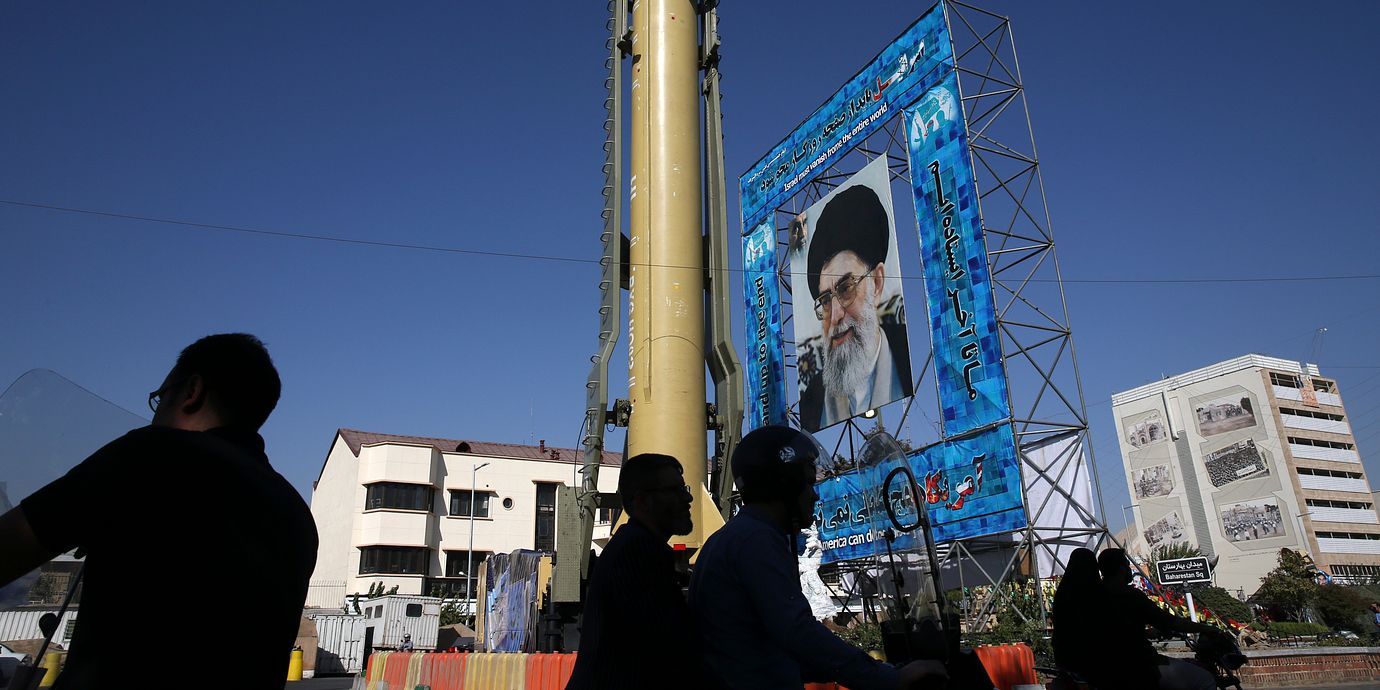
Iran testade under söndagen en medeldistansmissil. Det uppger Vita huset i ett uttalande, skriver Reuters.
– Vi är medvetna om att Iran avfyrade den där missilen. Vi ska undersöka det närmare, säger pressekreteraren Sean Spicer på en pressträff.
Missiltestet kan vara ett brott mot en FN-resolution som säger att Iran inte får avfyra missiler som kan bära kärnvapen.
bakgrund
Iranska missiltester
Wikipedia (en)
Iran has been developing its own missiles for many years. In 2010, United Nations Security Council Resolution 1929 banned the development of missile technology by Iran. In 2015, after the July nuclear deal, there were several Iranian missile tests:
On October 10 Iran tested an Emad missile, having a claimed range of 1700 km and a new precision guidance system, capable of delivering a nuclear weapon.
On November 21 Iran reportedly carried out a test of the Ghadr 110, having a range variously reported between 1500 and 2000 km.
On March 8th and 9th, 2016, Iran test fired several missiles, including the Qiam 1. The US asked the UN Security Council to discuss the tests. US ambassador to the UN Samantha Power said the tests were provocative and destabilizing. She said Iranian military officials had claimed that the missiles were designed to be a direct threat to Israel, one of Washington's closest allies. At least one missile had "ישראל צריכה להמחק מעל פני האדמה" ("Israel must be wiped off the face of the earth") written on them in Hebrew. Sources differ on whether the tests violate Security Council resolutions.
On March 29, 2016, the US, Britain, France, and Germany wrote a joint letter to UN chief Ban Ki-moon accusing Iran of "defying" Security Council Resolution 2231, which formalized the 2015 deal. The letter said the missiles were "inherently capable of delivering nuclear weapons". However, it stopped short of saying the tests were illegal. Resolution 2231 calls for Iran to refrain from activity related to nuclear-capable missiles, but according to diplomats the language is not legally binding and cannot be enforced with punitive measures.
On January 29, 2016, Iran tested for the first time a ballistic missile, the Khorramshahr, flew 600 miles before exploding, which is in violation of UN Resolution 2231.
Omni är politiskt obundna och oberoende. Vi strävar efter att ge fler perspektiv på nyheterna. Har du frågor eller synpunkter kring vår rapportering? Kontakta redaktionen