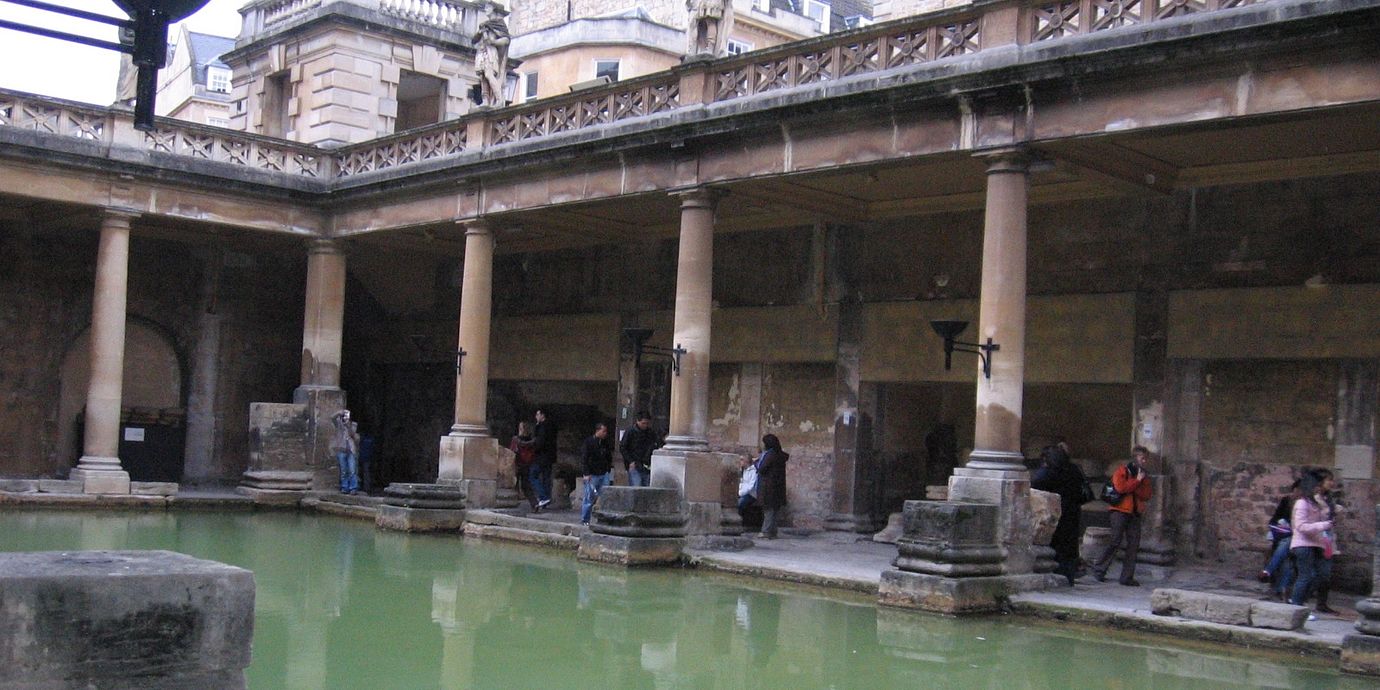
Spaorter i Europa klassas som världsarv
Flera gamla kurorter i Europa har tagits upp på Unescos världsarvslista, rapporterar AFP.
Platserna ger ”exceptionell vittnesbörd om det europeiska spa-fenomenet från 1700-talet till 1930-talet” enligt Unesco.
Baden bei Wien i Österrike, Spa i Belgien, Vichy i Frankrike och Bath i Storbritannien finns med på listan.
Tidigare i veckan förlorade Liverpool sin status som världsarv, skriver TT. Staden har inte tagit hand om sina gamla hamnmiljöer utan rivit hus och byggt nytt.
bakgrund
Världsarv
Wikipedia (en)
A World Heritage Site is a landmark or area with legal protection by an international convention administered by the United Nations Educational, Scientific and Cultural Organization (UNESCO). World Heritage Sites are designated by UNESCO for having cultural, historical, scientific or other form of significance. The sites are judged to contain "cultural and natural heritage around the world considered to be of outstanding value to humanity". To be selected, a World Heritage Site must be a somehow unique landmark which is geographically and historically identifiable and has special cultural or physical significance. For example, World Heritage Sites might be ancient ruins or historical structures, buildings, cities, deserts, forests, islands, lakes, monuments, mountains, or wilderness areas. A World Heritage Site may signify a remarkable accomplishment of humanity, and serve as evidence of our intellectual history on the planet, or it might be a place of great natural beauty. As of July 2021, a total of 1,120 World Heritage Sites (868 cultural, 213 natural, and 39 mixed properties) exist across 167 countries. With 57 selected areas, Italy is the country with the most sites on the list.The sites are intended for practical conservation for posterity, which otherwise would be subject to risk from human or animal trespassing, unmonitored, uncontrolled or unrestricted access, or threat from local administrative negligence. Sites are demarcated by UNESCO as protected zones. The World Heritage Sites list is maintained by the international World Heritage Program administered by the UNESCO World Heritage Committee, composed of 21 "states parties" that are elected by their General Assembly. The programme catalogues, names, and conserves sites of outstanding cultural or natural importance to the common culture and heritage of humanity. The programme began with the "Convention Concerning the Protection of the World's Cultural and Natural Heritage", which was adopted by the General Conference of UNESCO on 16 November 1972. Since then, 193 states parties have ratified the convention, making it one of the most widely recognised international agreements and the world's most popular cultural programme.
Omni är politiskt obundna och oberoende. Vi strävar efter att ge fler perspektiv på nyheterna. Har du frågor eller synpunkter kring vår rapportering? Kontakta redaktionen