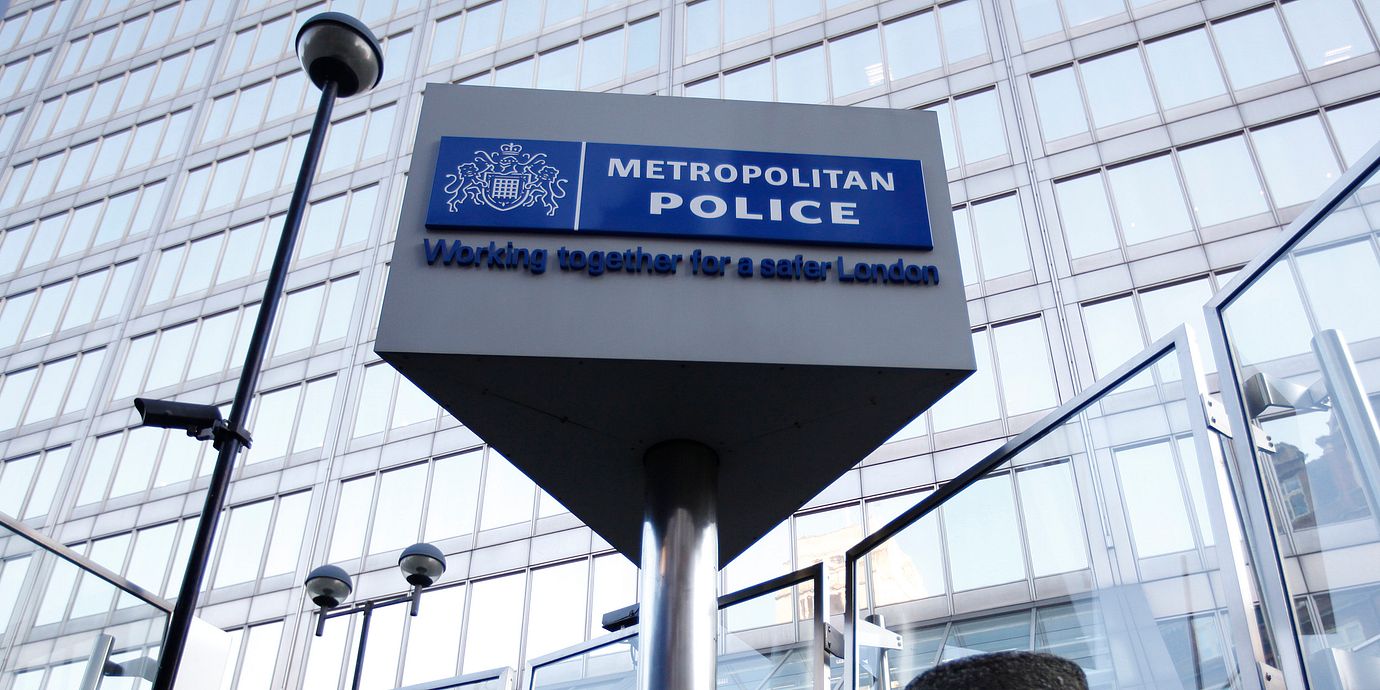
Britter utreds för krigsbrott under kriget i Sri Lanka
Brittiska legosoldater som stred i inbördeskriget i Sri Lanka på 1980-talet misstänks för krigsbrott och utreds nu av polis, rapporterar BBC.
Utredningen gäller det privata säkerhetsföretaget Keenie Meenie Services som tränade upp en elitstyrka inom den lankesiska polisen som stred mot tamilska separatister i inbördeskriget. Elitstyrkan har anklagats för en lång rad människorättsbrott, däribland mord på civila tamiler.
Bevisen mot säkerhetsföretaget kommer i stor del från tidigare hemligstämplade brittiska regeringsdokument, som offentliggjorts efter påtryckningar från journalisten Phil Miller, som har skrivit en bok om legosoldaterna.
Läs även
bakgrund
Inbördeskriget i Sri Lanka
Wikipedia (en)
The Sri Lankan Civil War (Sinhala: ශ්රී ලංකාවේ සිවිල් යුද්ධය; Tamil: இலங்கை உள்நாட்டுப் போர்) was a civil war fought in the island country of Sri Lanka from 1983 to 2009. Beginning on 23 July 1983, there was an intermittent insurgency against the government by the Velupillai Prabhakaran led Liberation Tigers of Tamil Eelam (LTTE, also known as the Tamil Tigers), which fought to create an independent Tamil state called Tamil Eelam in the north and the east of the island due to the continuous discrimination against the Sri Lankan Tamils by the Sinhalese dominated Sri Lankan Government, as well as the 1956, 1958 and 1977 anti-Tamil pogroms and the 1981 burning of the Jaffna Public Library carried out by the majority Sinhalese mobs, in the years following Sri Lanka's independence from Britain in 1948. After a 26-year military campaign, the Sri Lankan military defeated the Tamil Tigers in May 2009, bringing the civil war to an end.For over 25 years, the war caused significant hardships for the population, environment and the economy of the country, with an initial estimated 80,000–100,000 people killed during its course. In 2013, the UN panel estimated additional deaths during the last phase of the war: "Around 40,000 died while other independent reports estimated the number of civilians dead to exceed 100,000." During the early part of the conflict, the Sri Lankan forces attempted to retake the areas captured by the LTTE. The tactics employed by the Liberation Tigers of Tamil Eelam against the actions of Government forces resulted in their listing as a terrorist organisation in 32 countries, including the United States, India, Canada and the member nations of the European Union. The Sri Lankan government forces have also been accused of human rights abuses, systematic impunity for serious human rights violations, lack of respect for habeas corpus in arbitrary detentions, and forced disappearances.After two decades of fighting and four failed tries at peace talks, including the deployment of the Indian Army, the Indian Peace Keeping Force from 1987 to 1990, a lasting negotiated settlement to the conflict appeared possible when a cease-fire was declared in December 2001, and a ceasefire agreement signed with international mediation in 2002. However, limited hostilities renewed in late 2005 and the conflict began to escalate until the government launched a number of major military offensives against the LTTE beginning in July 2006, driving the LTTE out of the entire Eastern province of the island. The LTTE then declared they would "resume their freedom struggle to achieve statehood".In 2007, the government shifted its offensive to the north of the country, and formally announced its withdrawal from the ceasefire agreement on 2 January 2008, alleging that the LTTE violated the agreement over 10,000 times. Since then, aided by the destruction of a number of large arms smuggling vessels that belonged to the LTTE, and an international crackdown on the funding for the Tamil Tigers, the government took control of the entire area previously controlled by the Tamil Tigers, including their de facto capital Kilinochchi, main military base Mullaitivu and the entire A9 highway, leading the LTTE to finally admit defeat on 17 May 2009. Following the LTTE's defeat, pro-LTTE Tamil National Alliance dropped its demand for a separate state, in favour of a federal solution. In May 2010, Mahinda Rajapaksa, the then president of Sri Lanka, appointed the Lessons Learnt and Reconciliation Commission (LLRC) to assess the conflict between the time of the ceasefire agreement in 2002 and the defeat of the LTTE in 2009.Since the end of the civil war, the Sri Lankan state have been subject to much global criticism for violating human rights as a result of committing war crimes through bombing civilian targets, usage of heavy weaponry, the abduction of the Sri Lankan Tamils and sexual violence. The LTTE gained notoriety for carrying out numerous heinous attacks against civilians and politicians, most notably suicide bombings.The Mullivaikkal Remembrance Day has been established as an annual remembrance day observed by Sri Lankan Tamils to remember those who died in the final stages of the civil war. It is held on 18 May, the date on which the civil war ended in 2009, and is named after Mullivaikkal, a village on the north-east coast of Sri Lanka where the final battle of the civil war occurred. In January 2020, President Gotabaya Rajapaksa said that the estimated 20,000+ abducted Sri Lankan Tamil civilians were dead.
bakgrund
Keenie Meenie Services
Wikipedia (en)
Keenie Meenie Services (or KMS Ltd), was a British private military contractor set up by former Special Air Service (SAS) officers in 1975. It operated as a mercenary force in countries where the United Kingdom had political interests, such as Oman, Uganda, Afghanistan, and Sri Lanka.
Omni är politiskt obundna och oberoende. Vi strävar efter att ge fler perspektiv på nyheterna. Har du frågor eller synpunkter kring vår rapportering? Kontakta redaktionen