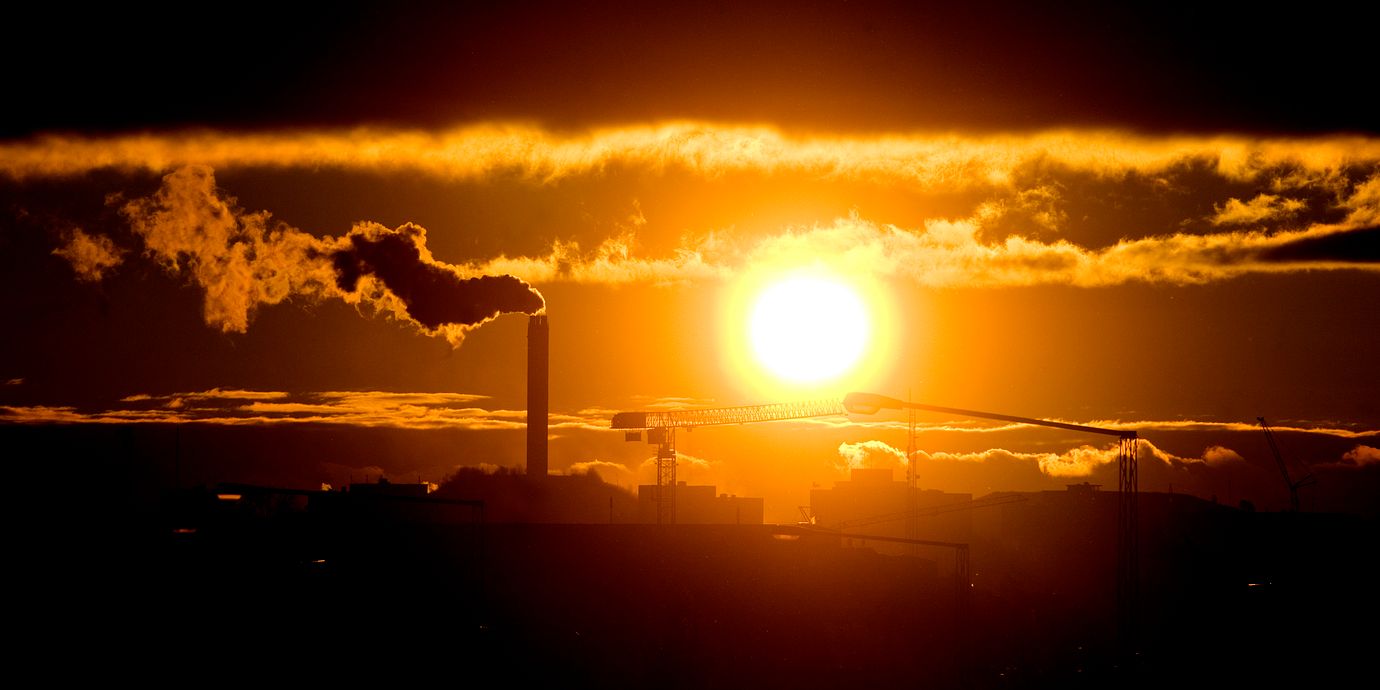
”Sanningens minut i Polen – nu måste det förändras”
Många såg klimatavtalet i Paris 2015 som en stor framgång, men för mig var det lätt att se att förhoppningen om att hålla uppvärmningen under 2 grader var överoptimistisk. Det skriver Inge Gerremo, senior adviser vid Sveriges lantbruksuniversitets internationella avdelning, i en debattartikel på Sydsvenskan.
Och det har visat sig stämma, skriver han och lyfter flera alarmerande rapporter om klimatförändringarna, att USA:s president är klimatförnekare och om hur Black Friday-konceptet sprids.
Nu krävs konkreta åtgärder, skriver Gerremo med anledning av FN:s klimatmöte som inleds i Katowice i morgon. ”Nu måste verkligheten förändras.”
bakgrund
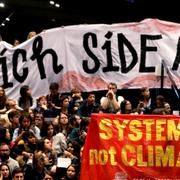
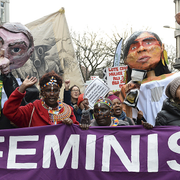
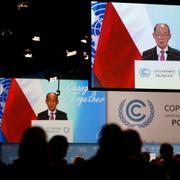
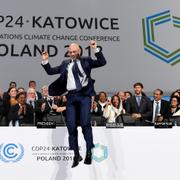
COP24 – mötet pågår från mellan den 3 och 14 december
Wikipedia (en)
COP24 also known as the Katowice Climate Change Conference is conference being held between 2 and 14 December 2018 in Katowice, Poland. The conference aims to finalise the practical implementation of the 2015 Paris Agreement, part of the United Nations Framework Convention on Climate Change.
After the United States left the Paris Agreement China has taken a leading role by hosting many of the preparatory meetings in the weeks beforehand. Just prior to the conference the World Meteorological Organization released a report claiming that 2017 atmospheric carbon dioxide levels reached 405 parts per million (ppm), a level not seen in three to five million years.
bakgrund
Parisavtalet
Wikipedia (en)
The 2015 United Nations Climate Change Conference, COP 21 or CMP 11 was held in Paris, France, from 30 November to 12 December 2015. It was the 21st yearly session of the Conference of the Parties (COP) to the 1992 United Nations Framework Convention on Climate Change (UNFCCC) and the 11th session of the Meeting of the Parties (CMP) to the 1997 Kyoto Protocol.The conference negotiated the Paris Agreement, a global agreement on the reduction of climate change, the text of which represented a consensus of the representatives of the 196 parties attending it. The agreement will enter into force when joined by at least 55 countries which together represent at least 55 percent of global greenhouse emissions. On 22 April 2016 (Earth Day), 174 countries signed the agreement in New York,
and began adopting it within their own legal systems (through ratification, acceptance, approval, or accession).
According to the organizing committee at the outset of the talks, the expected key result was an agreement to set a goal of limiting global warming to "well below 2 °C" Celsius compared to pre-industrial levels. The agreement calls for zero net anthropogenic greenhouse gas emissions to be reached during the second half of the 21st century. In the adopted version of the Paris Agreement, the parties will also "pursue efforts to" limit the temperature increase to 1.5 °C. The 1.5 °C goal will require zero emissions sometime between 2030 and 2050, according to some scientists.Prior to the conference, 146 national climate panels publicly presented draft national climate contributions (called "Intended Nationally Determined Contributions", INDCs). These suggested commitments were estimated to limit global warming to 2.7 degrees Celsius by 2100. For example, the EU suggested INDC is a commitment to a 40 percent reduction in emissions by 2030 compared to 1990. The agreement establishes a "global stocktake" which revisits the national goals to "update and enhance" them every five years beginning 2023. However, no detailed timetable or country-specific goals for emissions were incorporated into the Paris Agreement – as opposed to the previous Kyoto Protocol.
A number of meetings took place in preparation for COP21, including the Bonn Climate Change Conference, 19 to 23 October 2015, which produced a draft agreement.
Omni är politiskt obundna och oberoende. Vi strävar efter att ge fler perspektiv på nyheterna. Har du frågor eller synpunkter kring vår rapportering? Kontakta redaktionen