bakgrund
Trans-Pacific Partnership (TPP)
Wikipedia (en)
The Trans-Pacific Partnership (TPP) or Trans Pacific Partnership Agreement (TPPA) is a trade agreement among twelve of the Pacific Rim countries—notably not including China. The finalized proposal was signed on 4 February 2016 in Auckland, New Zealand, concluding seven years of negotiations. It is currently awaiting ratification to enter into force. The 30 chapters of the agreement aim to "promote economic growth; support the creation and retention of jobs; enhance innovation, productivity and competitiveness; raise living standards; reduce poverty in the signatories' countries; and promote transparency, good governance, and enhanced labor and environmental protections." The TPP contains measures to lower both non-tariff and tariff barriers to trade, and establish an investor-state dispute settlement mechanism.
The TPP began as an expansion of the Trans-Pacific Strategic Economic Partnership Agreement (TPSEP or P4) signed by Brunei, Chile, New Zealand, and Singapore in 2005. Beginning in 2008, additional countries joined the discussion for a broader agreement: Australia, Canada, Japan, Malaysia, Mexico, Peru, the United States, and Vietnam, bringing the total number of countries participating in the negotiations to twelve. Current trade agreements between participating countries, such as the North American Free Trade Agreement, will be reduced to those provisions that do not conflict with the TPP or provide greater trade liberalization than the TPP. The United States government considers the TPP a companion agreement to the proposed Transatlantic Trade and Investment Partnership (TTIP), a broadly similar agreement between the U.S. and the European Union.
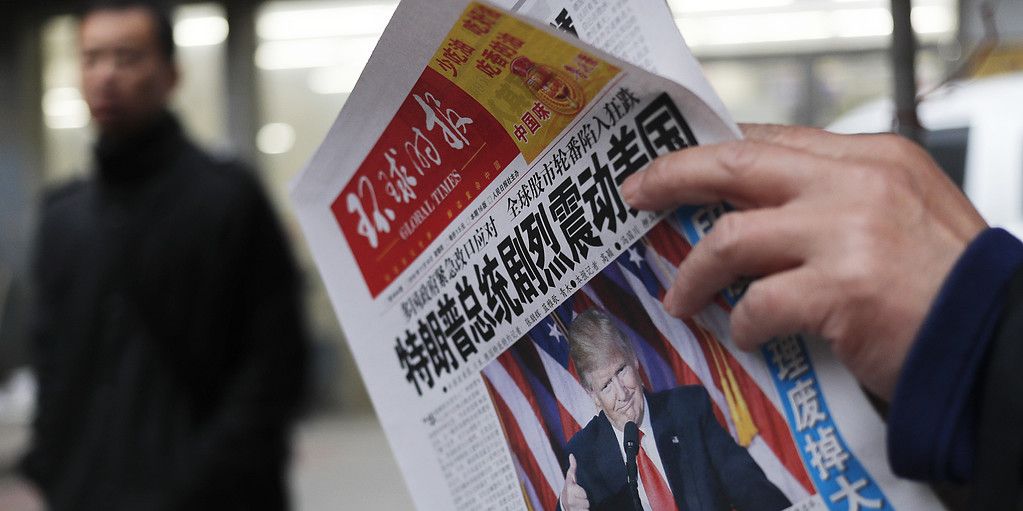
Participating nations aimed at completing negotiations in 2012, but the process was prolonged by disagreements over contentious issues, including agriculture, intellectual property, and services and investments. They finally reached agreement on 5 October 2015. Implementing the TPP has been one of the trade agenda goals of the Obama administration in the U.S. On 5 October 2015, Canadian Prime Minister Stephen Harper stated he expected "signatures on the finalized text and deal early in the new year, and ratification over the next two years." A version of the treaty text "Subject to Legal Review (...) for Accuracy, Clarity and Consistency" was made public on 5 November 2015, the same day President Obama notified Congress he intended to sign it. On November 11, 2016, it was reported that, due to Donald Trump's election to President, the White House would not pursue passing the agreement.