Analytiker varnar för ”Black Monday” på världens börser efter Trumps 48-timmarshot
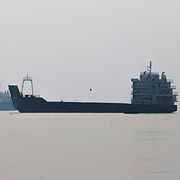
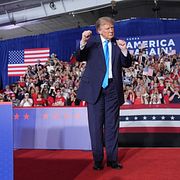
Marknaderna står inför ännu en turbulent handelsvecka efter Donald Trumps nya hot om att utplåna Irans kraftverk om landet inte öppnar Hormuzsundet inom 48 timmar. Investerare fruktar kraftiga reaktioner om läget eskalerar.
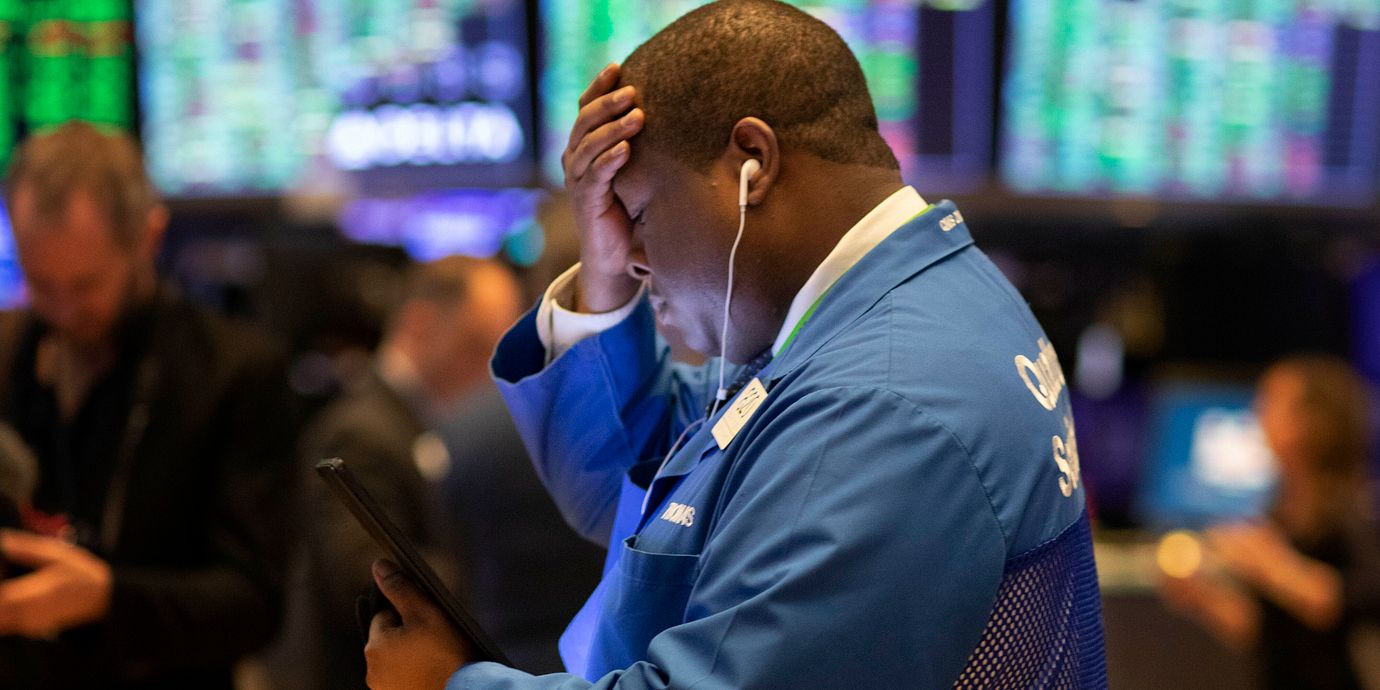
– Trumps hot har placerat en 48-timmars tickande bomb av osäkerhet över marknaderna. Om ultimatumet inte dras tillbaka lär vi få en Black Monday med börsras och stigande oljepriser, säger IG-analytikern Tony Sycamore till Bloomberg.
Ett angrepp mot energianläggningar i Gulfstaterna riskerar att driva upp energipriserna globalt, skriver nyhetsbyrån.
bakgrund
Black Monday (1987)
Wikipedia (en)
Black Monday (also known as Black Tuesday in some parts of the world due to time zone differences) was a global, severe and largely unexpected stock market crash on Monday, October 19, 1987. Worldwide losses were estimated at US$1.71 trillion. The severity sparked fears of extended economic instability or a reprise of the Great Depression.
Possible explanations for the initial fall in stock prices include a fear that stocks were significantly overvalued and were certain to undergo a correction, persistent US trade and budget deficits, and rising interest rates. Another explanation for Black Monday comes from the decline of the dollar, followed by a lack of faith in governmental attempts to stop that decline. In February 1987, leading industrial countries had signed the Louvre Accord, hoping that monetary policy coordination would stabilize international money markets, but doubts about the viability of the accord created a crisis of confidence. The fall may have been accelerated by portfolio insurance hedging (using computer-based models to buy or sell index futures in various stock market conditions) or a self-reinforcing contagion of fear.
The degree to which the stock market crashes spread to the wider (or "real") economy was directly related to the monetary policy each nation pursued in response. The central banks of the United States, West Germany, and Japan provided market liquidity to prevent debt defaults among financial institutions, and the impact on the real economy was relatively limited and short-lived. However, refusal to loosen monetary policy by the Reserve Bank of New Zealand had sharply negative and relatively long-term consequences for both its financial markets and real economy.
Omni är politiskt obundna och oberoende. Vi strävar efter att ge fler perspektiv på nyheterna. Har du frågor eller synpunkter kring vår rapportering? Kontakta redaktionen