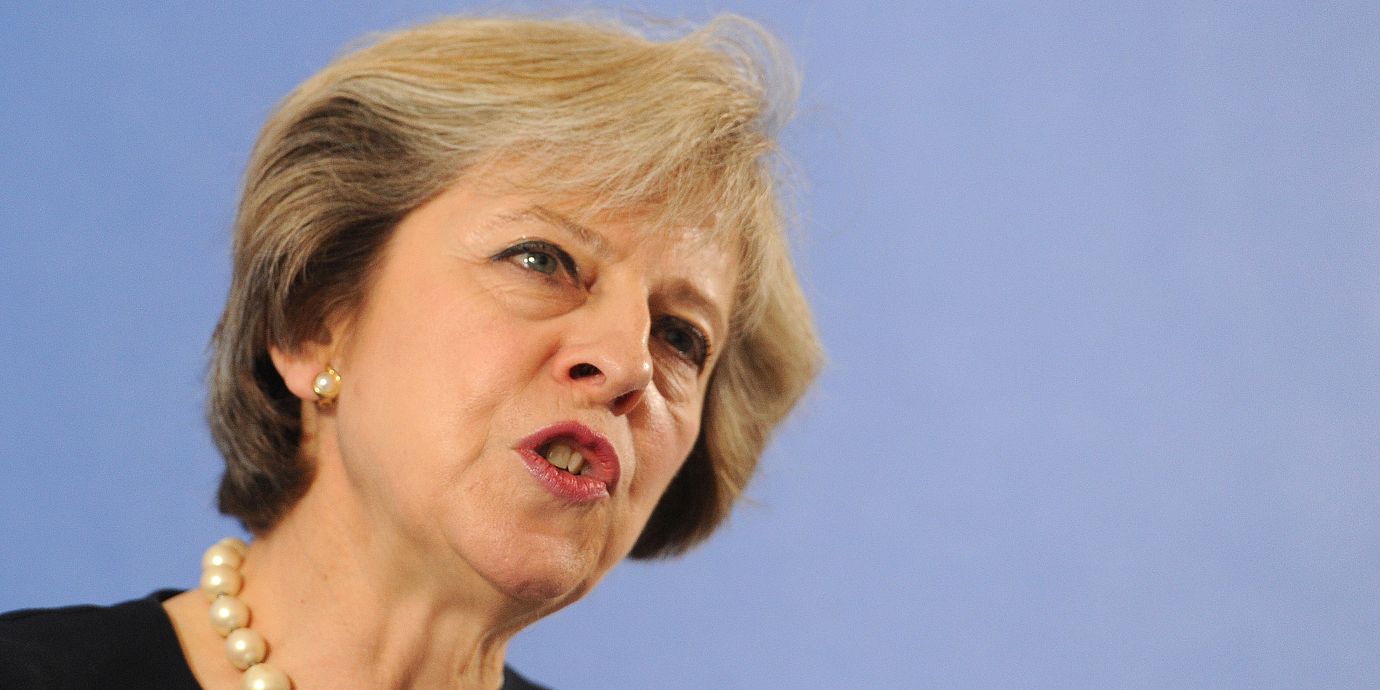
Företagen vädjar till May: Lämna oss inte utan svar
Storbritanniens största lobbygrupp för företag, CBI, vill att regeringen och premiärministern Theresa May berättar vad som kommer att hända dagen efter att EU-utträdet är klart, skriver Bloomberg. Enligt gruppens ordförande Paul Dreschler är företagen rädda för att sväva i ovisshet om landet inte lyckas få till nya avtal med unionen innan utträdet.
– Om det händer kan företagen plötsligt befinna sig i ett juridiskt ingenmansland, säger han till nyhetsbyrån.
Läs även
bakgrund
Brexit
Wikipedia (en)
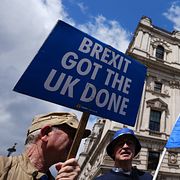
The United Kingdom's withdrawal from the European Union is commonly known as Brexit. Following an advisory referendum held in June 2016, in which 52% of votes were cast in favour of leaving the EU, Prime Minister Theresa May announced that the government would invoke Article 50 of the Treaty on European Union, the formal procedure for withdrawing, by the end of March 2017, which, within the treaty terms, would put the UK on a course to leave the EU by the end of March 2019. May has promised a bill to remove the European Communities Act 1972 from the statute book and to incorporate existing EU laws into UK domestic law. The terms of withdrawal have not yet been negotiated; in the meantime, the UK remains a full member of the European Union. "Brexit" is a portmanteau of the words Britain and exit.
The UK joined the European Economic Community (EEC), the predecessor of the EU, in 1973, and confirmed its membership in a 1975 referendum by 67% of the votes. Historical opinion polls 1973-2015 mostly revealed majorities in favour of remaining in the EEC or EU. In the 1970s and 1980s, withdrawal from the EEC was advocated mainly by some Labour Party and trade union figures. From the 1990s, withdrawal from the EU was advocated mainly by some Conservatives and by the newly founded UK Independence Party (UKIP).
Omni är politiskt obundna och oberoende. Vi strävar efter att ge fler perspektiv på nyheterna. Har du frågor eller synpunkter kring vår rapportering? Kontakta redaktionen