Källor: May vill lyfta ut irländska nödlösningen
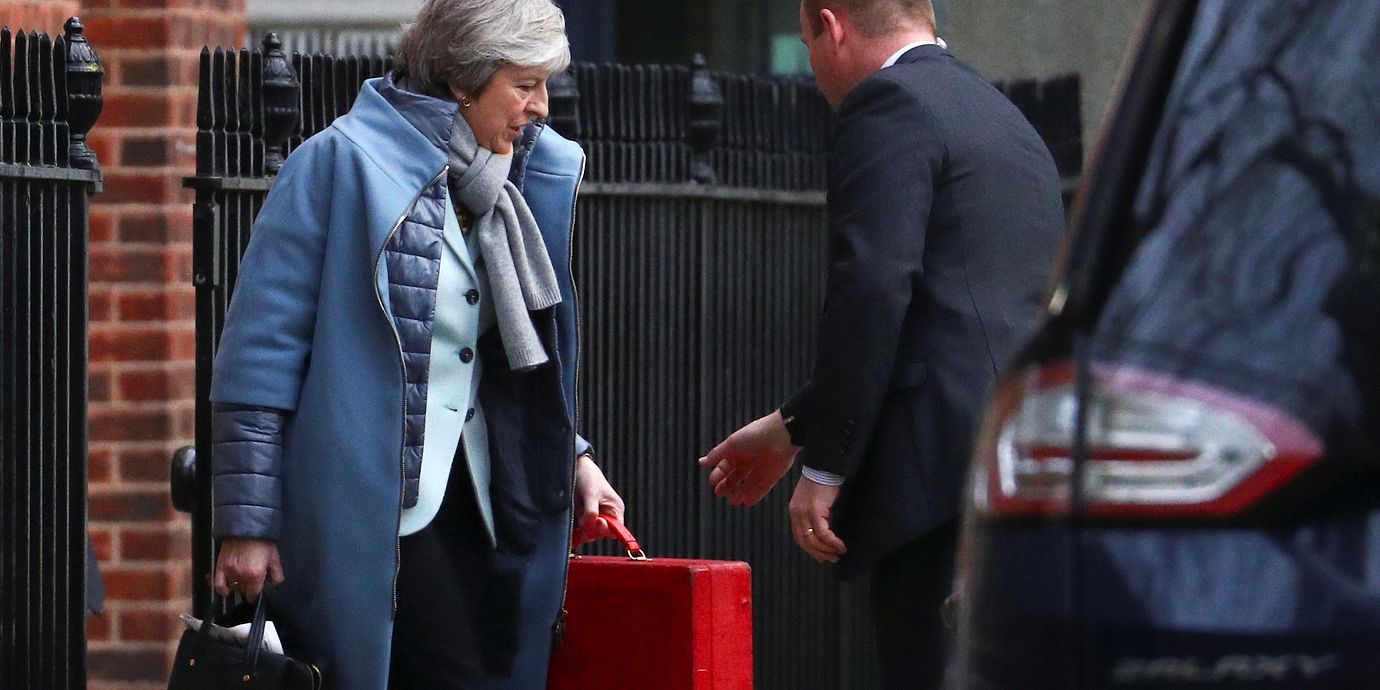
Theresa May väntas på måndagseftermiddagen presentera en plan som går ut på att ta bort nödlösningen för den irländska gränsen som finns med i hennes uppgörelse med EU. Det uppger källor för både BBC och Sky News inför att May i dag presenterar sin ”plan B”. The Times rapporterar att May till och med övervägt att ändra i Långfredagsavtalet, fredsavtalet om Nordirland från 1998.
Men det är oklart hur det skulle gå till. The Guardians källor uppger att May inte presenterade ”några faktiska lösningar” när hon på söndagseftermiddagen höll ett konferenssamtal med sina ministrar.
Nödlösningen för den irländska gränsen, ”The Irish backstop” har varit en av de punkter i Mays avtal som mött störst motstånd.
bakgrund
Långfredagsavtalet
Wikipedia (en)
The Good Friday Agreement (GFA) or Belfast Agreement (Irish: Comhaontú Aoine an Chéasta or Comhaontú Bhéal Feirste;) was a major political development in the Northern Ireland peace process of the 1990s. Northern Ireland's present devolved system of government is based on the agreement. The agreement also created a number of institutions between Northern Ireland and the Republic of Ireland, and between the Republic of Ireland and the United Kingdom.
The agreement is made up of two inter-related documents, both agreed in Belfast on Good Friday, 10 April 1998:
a multi-party agreement by most of Northern Ireland's political parties (the Multi-Party Agreement);
an international agreement between the British and Irish governments (the British–Irish Agreement).The agreement set out a complex series of provisions relating to a number of areas including:
The status and system of government of Northern Ireland within the United Kingdom. (Strand 1)
The relationship between Northern Ireland and the Republic of Ireland. (Strand 2)
The relationship between the Republic of Ireland and the United Kingdom. (Strand 3)Issues relating to sovereignty, civil and cultural rights, decommissioning of weapons, demilitarisation, justice, and policing were central to the agreement.
The agreement was approved by voters across the island of Ireland in two referendums held on 22 May 1998. In Northern Ireland, voters were asked in the Northern Ireland Good Friday Agreement referendum, 1998 whether they supported the multi-party agreement. In the Republic of Ireland, voters were asked whether they would allow the state to sign the agreement and allow necessary constitutional changes (Nineteenth Amendment of the Constitution of Ireland) to facilitate it. The people of both jurisdictions needed to approve the agreement in order to give effect to it.
The British–Irish Agreement came into force on 2 December 1999 with the help of British Prime Minister Tony Blair. The Democratic Unionist Party (DUP) was the only major political group in Northern Ireland to oppose the Good Friday Agreement.
Omni är politiskt obundna och oberoende. Vi strävar efter att ge fler perspektiv på nyheterna. Har du frågor eller synpunkter kring vår rapportering? Kontakta redaktionen