Mätning: Storbolagen allt räddare för brexit
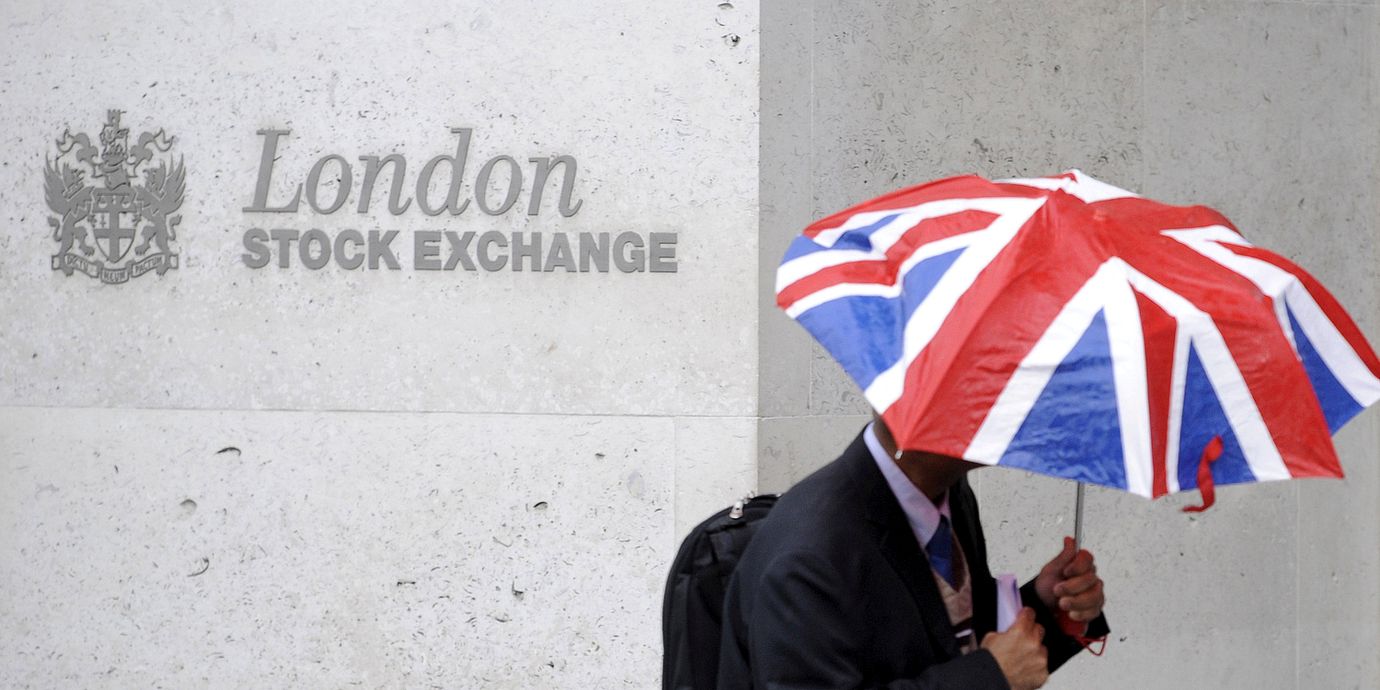
Rädslan för att brexit ska få negativa finansiella effekter ökar bland de brittiska storbolagen i en ny mätning som presenteras i morgon, skriver Financial Times. Två tredjedelar av bolagen på Londonbörsens FTSE 350-index uppger att den politiska risken ökar, enligt en mätning från statliga institutet ICSA. Det kan jämföras med 40 procent när samma mätning gjordes i december.
Osäkerhet kring brexitförhandlingarna är den mest sannolika förklaringen, enligt ICSA:s mätningschef Peter Swabey.
Enligt Sir John Parker, ordförande för gruvkoncernen Anglo-American, minimerar företagen riskerna på grund av den politiska instabiliteten.
Läs också
Brexit
Wikipedia (en)
Brexit is the popular term for the United Kingdom's intended withdrawal from the European Union.
In a UK referendum on 23 June 2016, 51.9% voted to leave the EU. On 29 March 2017, the British government invoked Article 50 of the Treaty on the European Union; although revoking this might be legally possible, the UK is thus on course to leave the EU in March 2019.
Prime Minister Theresa May announced that the UK would not seek permanent membership of the single market or the customs union after leaving the EU and promised to repeal the European Communities Act of 1972 and incorporate existing European Union law into UK domestic law. Negotiations with the EU officially started in June 2017.
The UK joined the European Communities on 1 January 1973, with membership later confirmed by the holding of the first ever national referendum in June 1975. In the 1970s and 1980s, withdrawal from the EC was advocated mainly by Labour Party and trade union figures. From the 1990s, the main advocates of withdrawal were the newly founded UK Independence Party (UKIP) and an increasing number of Eurosceptic Conservatives.
Omni är politiskt obundna och oberoende. Vi strävar efter att ge fler perspektiv på nyheterna. Har du frågor eller synpunkter kring vår rapportering? Kontakta redaktionen