bakgrund
Personsökarexplosionerna i Libanon
Wikipedia (en)
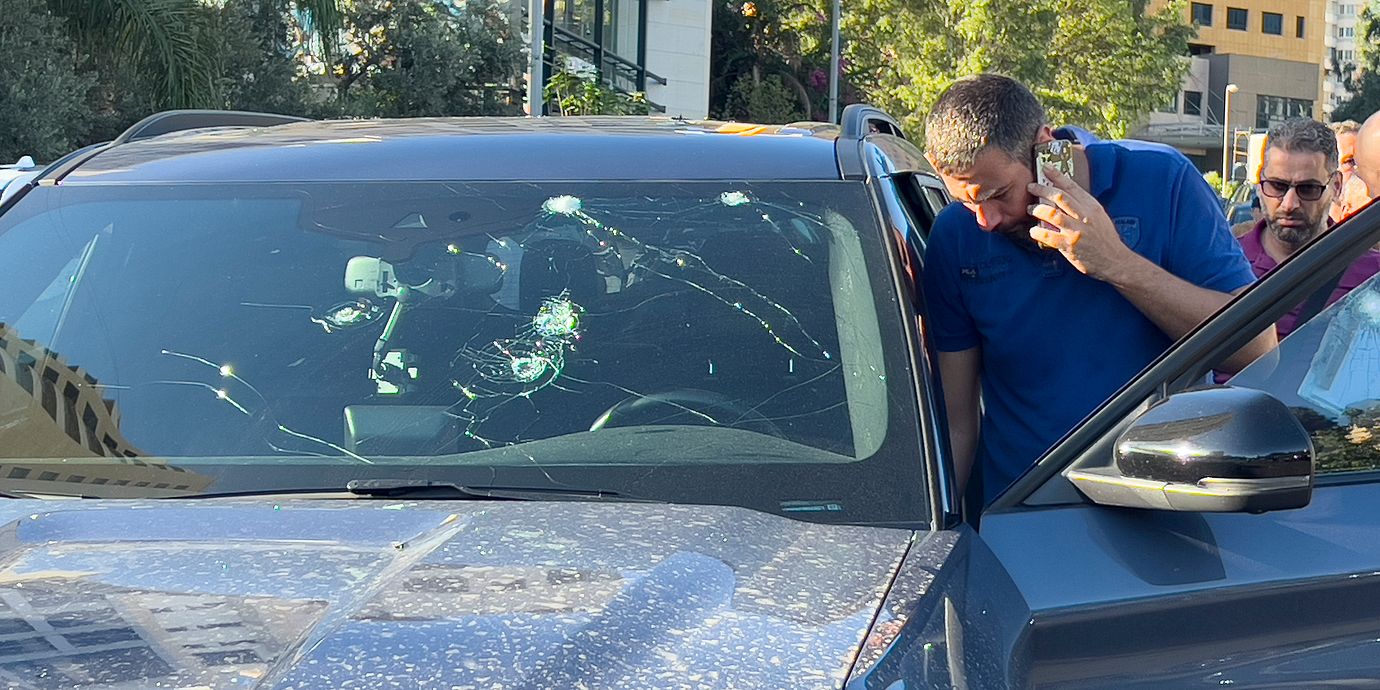
On 17 and 18 September 2024, thousands of handheld pagers and hundreds of walkie-talkies intended for use by Hezbollah exploded simultaneously in two separate events across Lebanon and Syria, in an Israeli attack nicknamed Operation Grim Beeper. According to an unnamed Hezbollah official, the attack took 1,500 Hezbollah fighters out of action due to injuries. According to the Lebanese government, the attack killed 42 people, including 12 civilians, and injured 4,000 civilians (according to Mustafa Bairam, Minister of Labour and a member of Hezbollah). Victims had injuries including losing fingers, hands, and eyes, as well as brain shrapnel. The incident was described as Hezbollah's biggest security breach since the start of the Israel–Hezbollah conflict in October 2023.
The first wave of explosions on 17 September targeted pagers, killing at least 12 people, including two Hezbollah members and two children, and wounding more than 2,750, including Iran's ambassador to Lebanon. The second wave on 18 September targeted Icom walkie-talkies, killing at least 30 people and injuring over 750. The 150 hospitals across Lebanon that received victims of the explosions experienced chaotic scenes. UN human rights experts condemned the attacks as potential war crimes, stating that while some victims may not have been civilians, the indiscriminate nature of the simultaneous explosions violated international law and the right to life. Some Hezbollah members who carried the pagers were not part of the organization's military wing.
Seven months before the explosions, Hezbollah's secretary-general Hassan Nasrallah instructed the group's members to use pagers instead of cell phones, claiming Israel had infiltrated their cell phone network. About five months before the explosions, Hezbollah purchased Gold Apollo AR-924 pagers. The Israeli intelligence agency Mossad had secretly manufactured and integrated the explosive PETN into the devices, and sold them to Hezbollah through a shell company. Responding to the attacks, Nasrallah described the explosions as a "major blow" and labeled them an act of war, possibly a declaration of war by Israel. Initially Israel neither denied nor confirmed a role, but in November 2024 Israeli prime minister Benjamin Netanyahu confirmed Israeli responsibility.
Following the explosions, Israeli defence minister Yoav Gallant announced a "new phase" of the war in northern Israel and Lebanon had begun. Hezbollah vowed retaliation, launching a rocket attack on northern Israel a few days later that struck cities such as Nazareth and Kiryat Bialik, injuring several civilians. Ten days after the device explosions, Israel killed Nasrallah in an airstrike in Beirut. On 1 October 2024, Israel launched a new ground invasion into Southern Lebanon, marking the sixth invasion of Lebanon since 1978. On 27 November, a ceasefire agreement between Israel and Lebanon went into effect, although some attacks continue. The attack was planned over a ten-year span. Some commentators described the operation as "sophisticated", as well as an "extraordinary feat of espionage", while others called it the "most precise anti-terrorist attack" ever conducted.