Kartläggning: Tesla fortsatt i ledning i elbilskampen
I princip alla stora biltillverkare har nu någon form av plan för elektrifiering, skriver Ny teknik som kartlagt och rankat hur långt fordonstillverkarna kommit med batteribilar och plugin-hybrider.
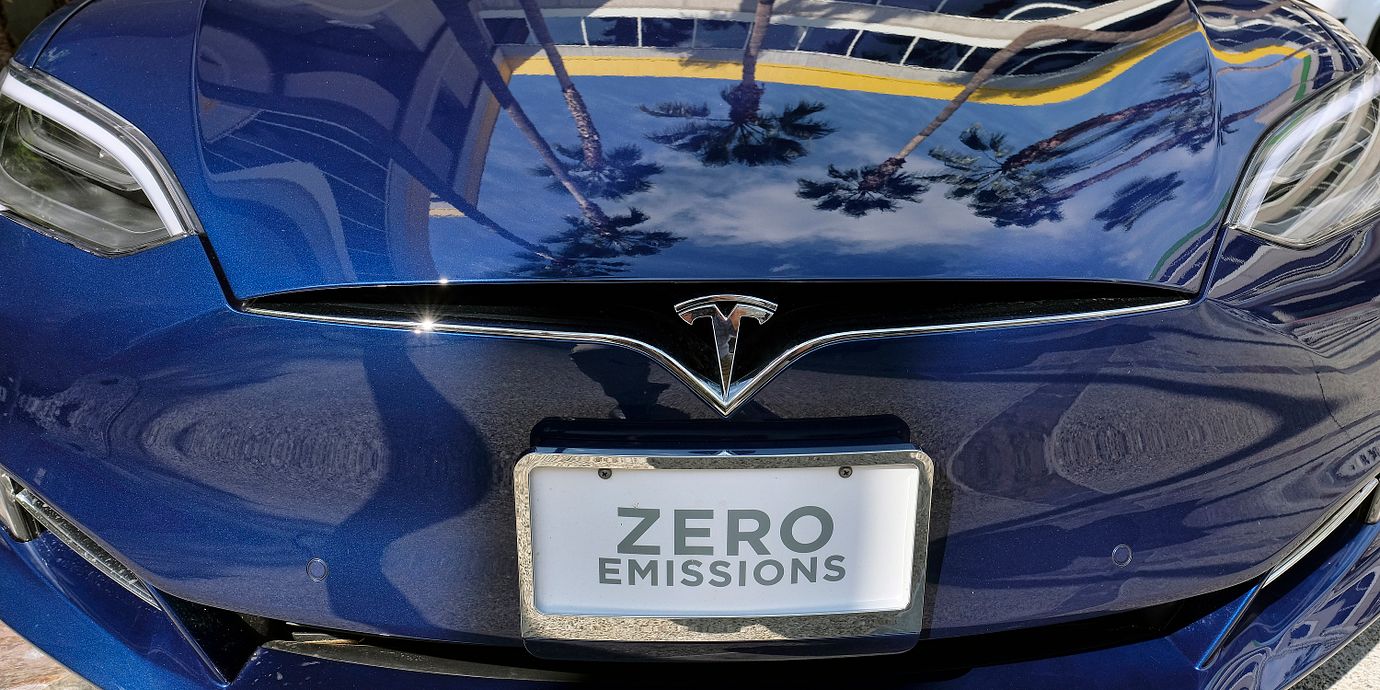
Tidningen delar in tillverkarna i fyra rangordnade kluster och i det första står Tesla i ensam majestät. Men Teslas ledning krymper, skriver Ny teknik. I det andra klustret syns Volkswagen, Nissan och Renault samma alla anses ha kommit långt inom elektrifiering. I det tredje syns tillverkare som GM, Volvo men också de fyra stora kinesiska biltillverkarna som nu knappar in snabbt på konkurrenterna, skriver Ny teknik.
bakgrund
Elbilar
Wikipedia (en)
An electric car is an automobile that is propelled by one or more electric motors, using electrical energy stored in rechargeable batteries. The first practical electric cars were produced in the 1880s. Electric cars were popular in the late 19th century and early 20th century, until advances in internal combustion engines, electric starters in particular, and mass production of cheaper gasoline vehicles led to a decline in the use of electric drive vehicles. In 1987, electric cars found their first commercial use in the USA. New York City taxies were electric, and they were manufactured by the Philadelphian Electric Carriage and Wagon company. During the 20th century, the main manufacturers of electric vehicles in the US were Anthony Electric, Baker, Columbia, Anderson, Edison, Riker, Milburn and others. Unlike gasoline-powered vehicles, the electric ones were quieter and did not require gear changes.
Since 2008, a renaissance in electric vehicle manufacturing has occurred due to advances in batteries, concerns about increasing oil prices, and the desire to reduce greenhouse gas emissions. Several national and local governments have established tax credits, subsidies, and other incentives to promote the introduction and now adoption in the mass market of new electric vehicles depending on battery size and their all-electric range.
Compared with cars with internal combustion (IC) engines, electric cars are quieter and have no tailpipe emissions. When recharged by low-emission electrical power sources, electric vehicles can reduce greenhouse gas emissions compared to IC engines. Where oil is imported, use of electric vehicles can reduce imports.
Recharging can take a long time and in many places there is inadequate recharging infrastructure. Battery cost limits range and increases purchase cost over IC vehicles, but battery costs are decreasing. Drivers can also sometimes suffer from range anxiety- the fear that the batteries will be depleted before reaching their destination.
As of December 2015, there were over 30 models of highway legal all-electric passenger cars and utility vans available. Cumulative global sales of highway-capable light-duty pure electric vehicles passed one million units in total, globally, in September 2016.
Omni är politiskt obundna och oberoende. Vi strävar efter att ge fler perspektiv på nyheterna. Har du frågor eller synpunkter kring vår rapportering? Kontakta redaktionen